Product Description
YNLREZ 675B has excellent chemical resistance, resistant to organic and inorganic acids, alkalis, esters, ethers, ketones, aldehydes, superheated water and water vapor, etc., with low metal ion precipitation. The maximum operating temperature is 230°C.
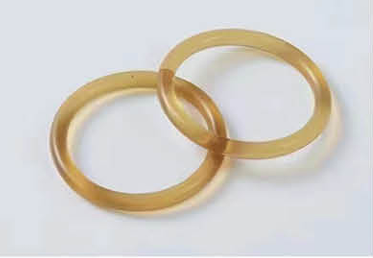
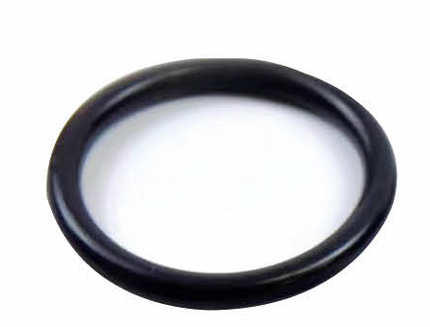
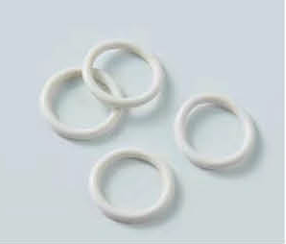
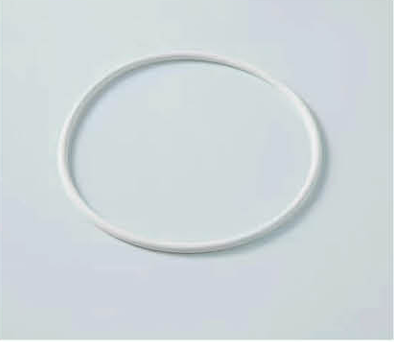
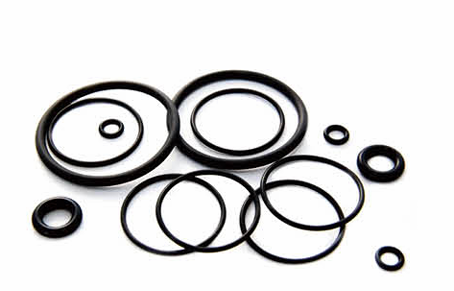
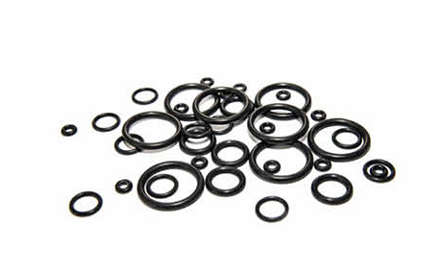
YNLREZ 675B can be processed into 0-rings, diaphragms, gaskets, strips, plates and customized products.
AI Product Description
*The following content is generated by AI and is for reference only.
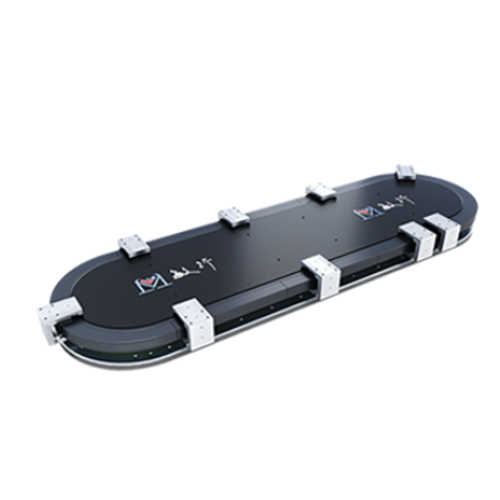
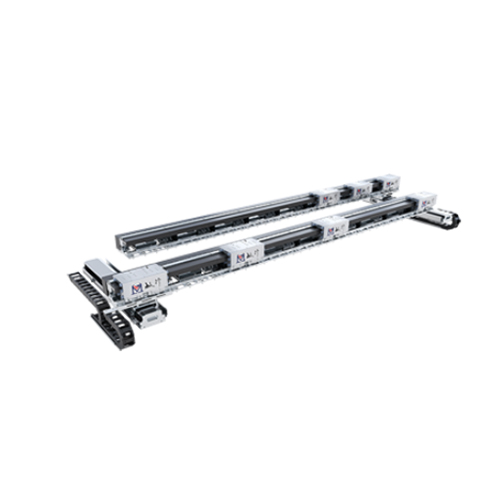
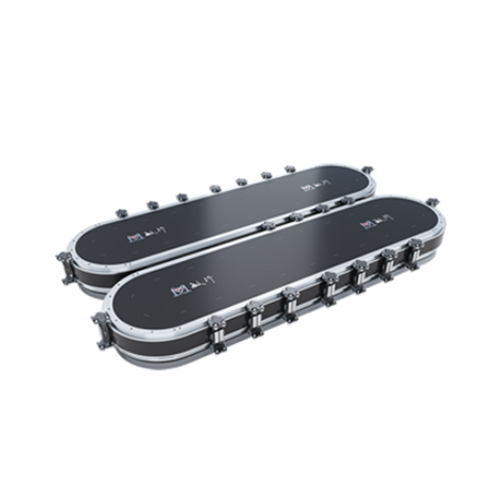
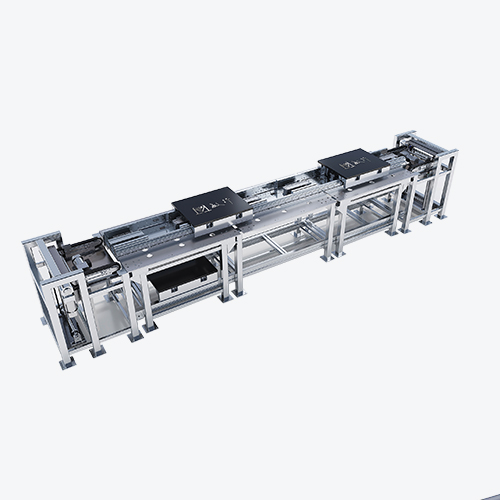
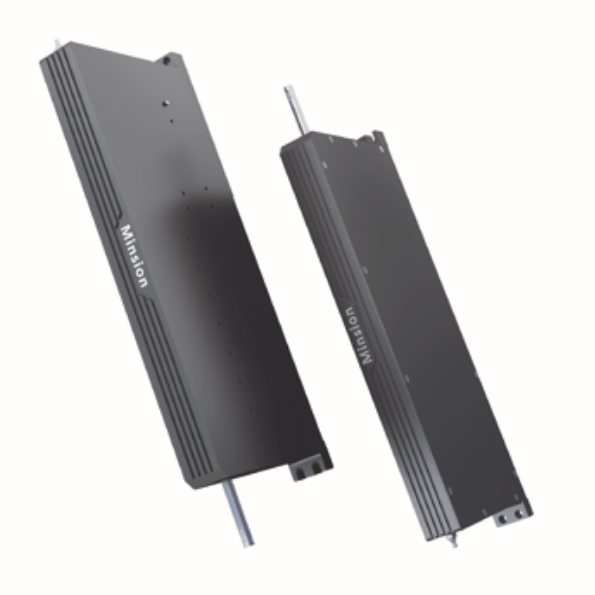
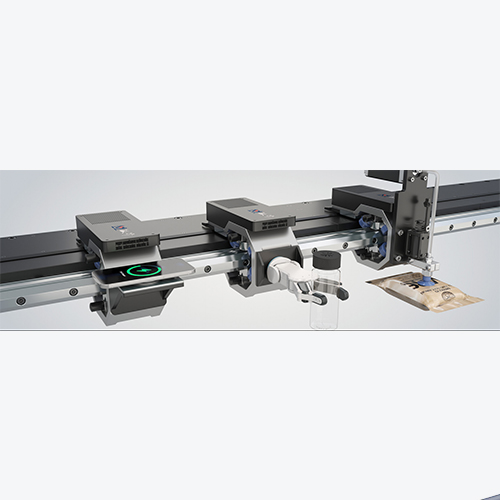
The device in question is a high-precision industrial laser marking system designed for permanent identification and decoration across diverse manufacturing sectors. Utilizing advanced fiber laser technology, it delivers exceptional beam quality to etch intricate patterns, serial numbers, barcodes, and logos onto materials such as metals, plastics, ceramics, and coated surfaces. Its non-contact operation ensures minimal mechanical stress on workpieces, making it ideal for delicate components used in aerospace, automotive, medical devices, and electronics industries. The system supports both static marking and dynamic integration with conveyor systems or robotic arms for automated production lines, significantly boosting throughput while maintaining consistent mark quality.
Key features include a compact design requiring minimal floor space, user-friendly software compatible with standard graphic formats, and real-time monitoring capabilities that track power output and focus alignment. The laser source boasts a long operational lifespan, reducing maintenance frequency and total cost of ownership. Additionally, the unit often incorporates safety interlocks, emergency stop buttons, and enclosed viewing windows to comply with international laser safety standards, protecting operators from accidental exposure.
Important precautions must be observed during installation and operation. Operators should always wear appropriate laser safety goggles rated for the specific wavelength to prevent eye damage. Proper ventilation is essential when marking certain plastics or coatings to avoid inhaling hazardous fumes. Regular cleaning of optical components using approved methods preserves beam integrity, while unauthorized modifications to the laser cavity can void warranties and compromise safety. Training personnel on emergency procedures and routine calibration checks further mitigates risks. Before deployment, ensure the workspace meets fire safety regulations and that all cables are securely routed to prevent tripping hazards. By adhering to these guidelines, manufacturers can maximize efficiency, ensure product traceability, and maintain a safe working environment without relying on specific brand identifiers or model numbers.





 (All Rights Reserved)