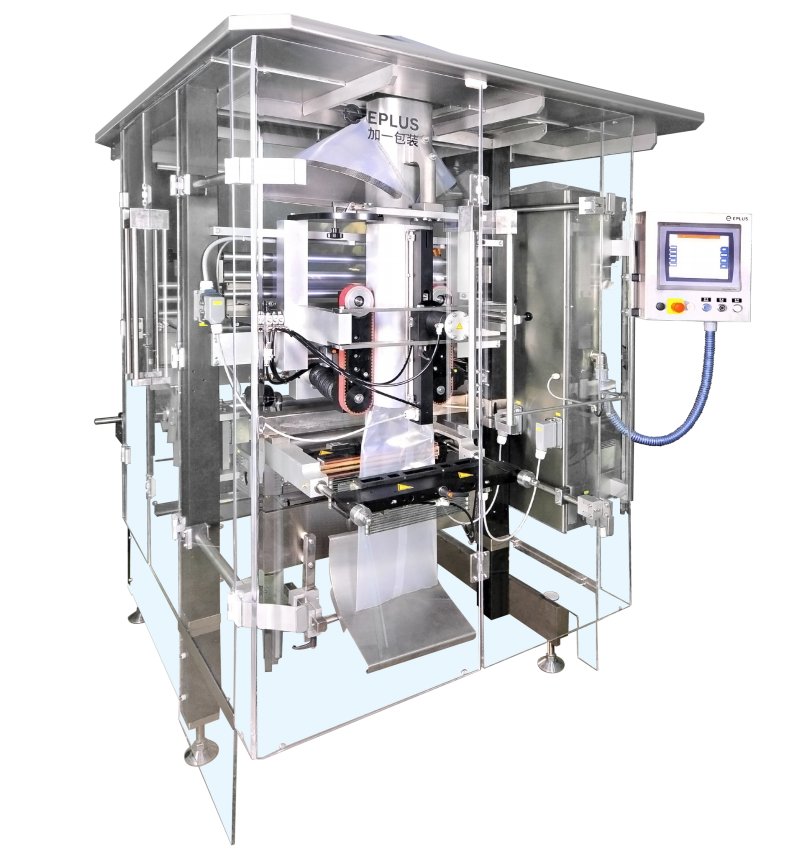
Product Description
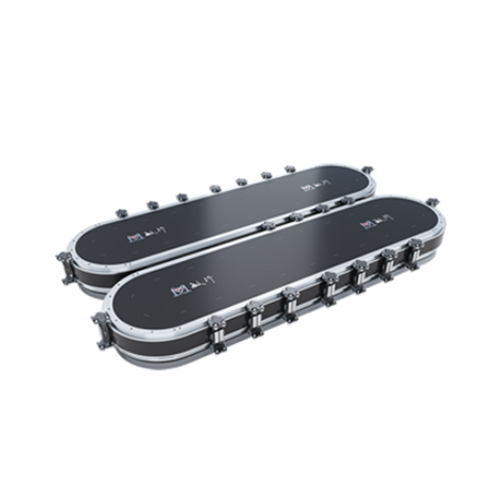
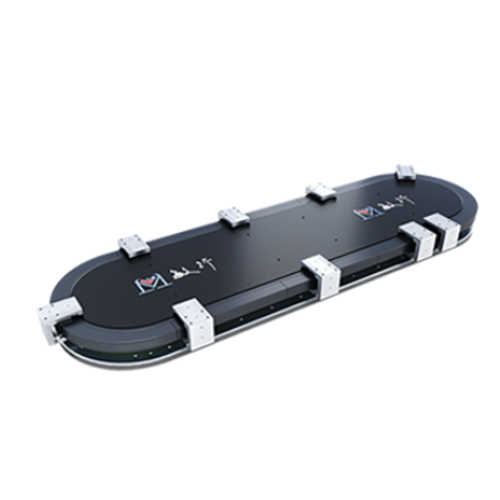
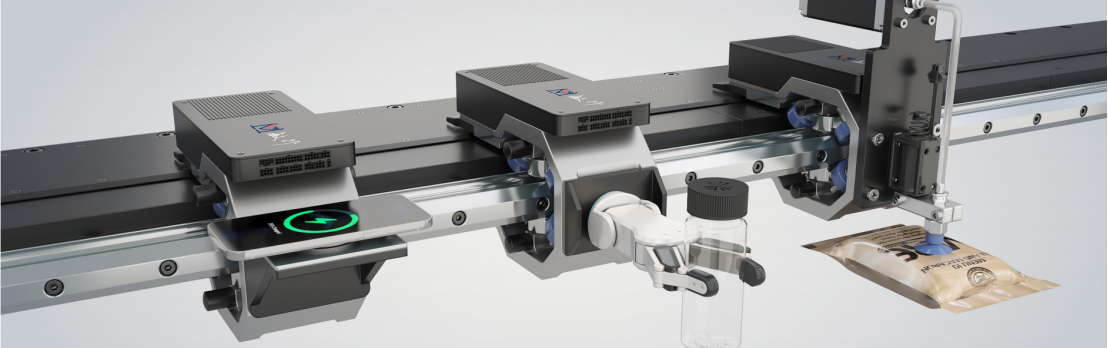
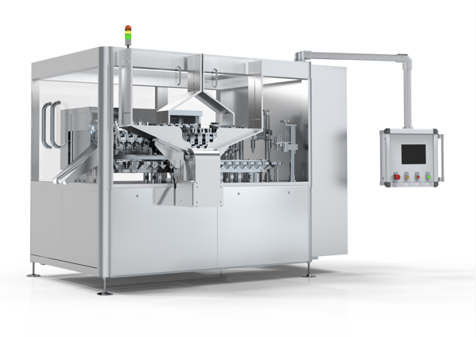
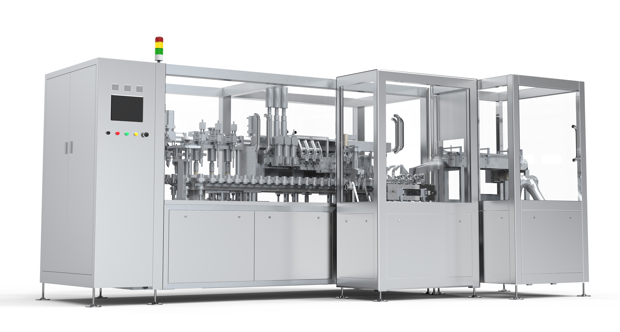
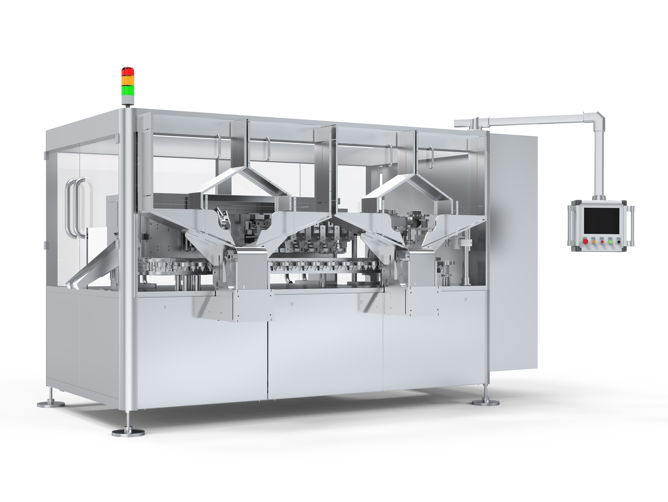
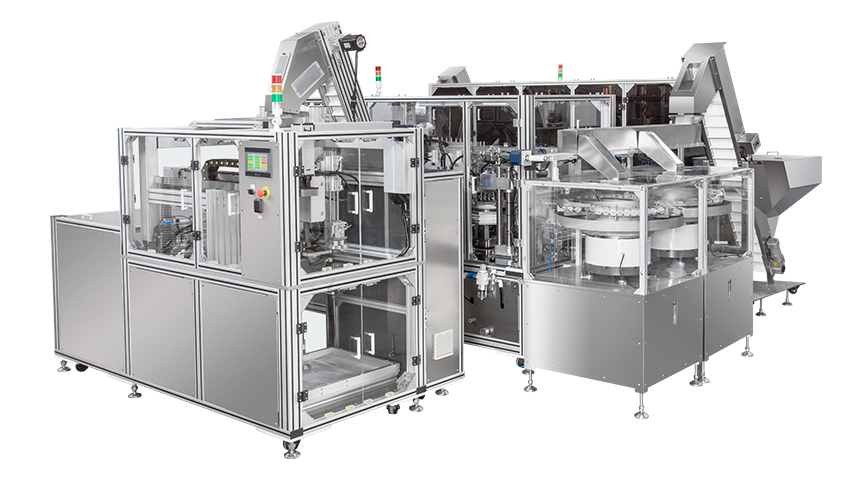
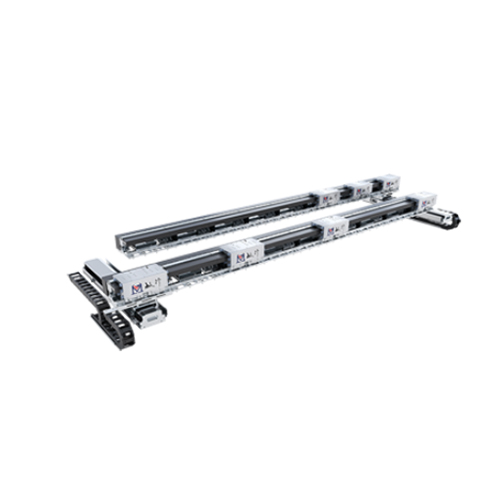
1、Faster conveyor speed and more precise positioning, improving the overall production pace and product quality rate.
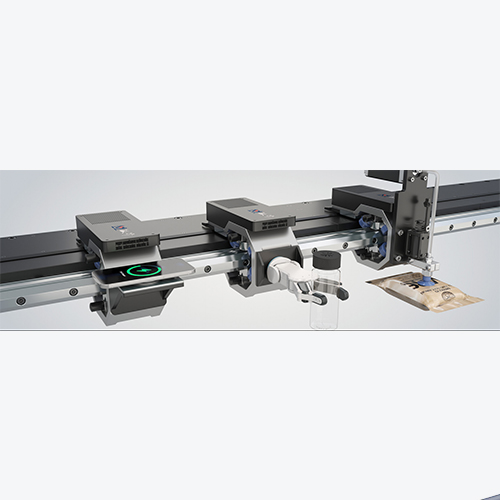
2、Support combined use with speed chains, synchronous belts, etc., reducing investment costs and achieving an optimal balance between cost and performance.
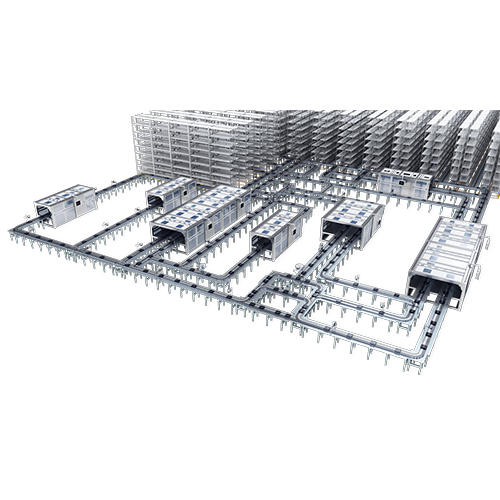
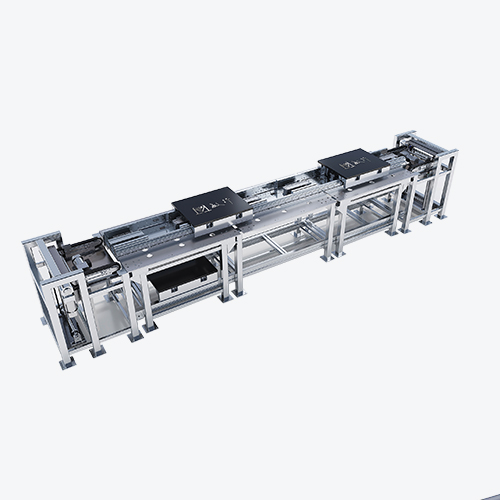
3、Horizontal and vertical connection, with layout planning tailored to process and space requirements to minimize floor space.
4、Customize products according to customer requirements.
AI Product Description
*The following content is generated by AI and is for reference only.
The device in question is a specialized automated material handling system designed for the precise, non-contact transport of sensitive components. By utilizing electromagnetic fields to suspend and propel items, this conveyor eliminates physical contact between the product and the track surface. This unique mechanism is particularly vital in industries such as semiconductor manufacturing, pharmaceutical processing, and high-precision electronics assembly, where even microscopic dust particles or mechanical vibrations can compromise product integrity. The system ensures a perfectly clean environment by preventing friction-generated debris, thereby maintaining strict hygiene standards required for sterile production lines.
Operationally, the equipment relies on advanced control algorithms to manage speed, acceleration, and positioning with exceptional accuracy. It allows for complex motion profiles, including rapid starts, stops, and directional changes, without affecting the stability of the payload. However, several critical precautions must be observed during installation and daily use. First, the surrounding area must be free from ferromagnetic materials that could interfere with the magnetic field or cause unintended attraction hazards. Second, regular maintenance of the cooling systems is essential, as the electromagnets generate significant heat during continuous operation; overheating can lead to performance degradation or component failure. Additionally, power supply stability is paramount, as voltage fluctuations may disrupt the levitation gap, potentially causing the load to drop abruptly.
Safety protocols dictate that operators should never attempt manual intervention while the system is energized unless a specific emergency stop procedure is followed. Furthermore, periodic calibration of the position sensors is necessary to ensure long-term reliability. While the technology offers superior cleanliness and precision compared to traditional belt or chain conveyors, it requires a controlled environment and skilled technical support for optimal performance. Ultimately, this innovation represents a significant leap forward in automation, enabling manufacturers to achieve higher yields and stricter quality controls in their most delicate processes.





 (All Rights Reserved)