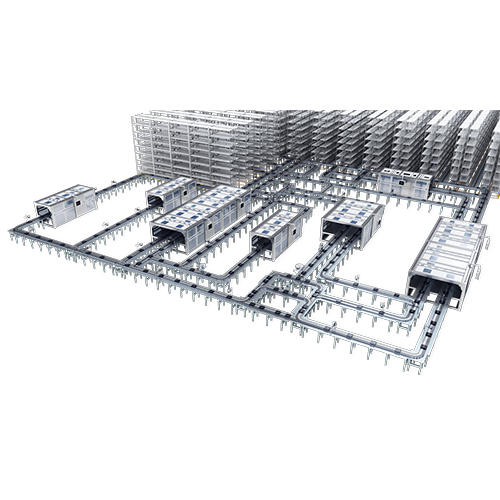
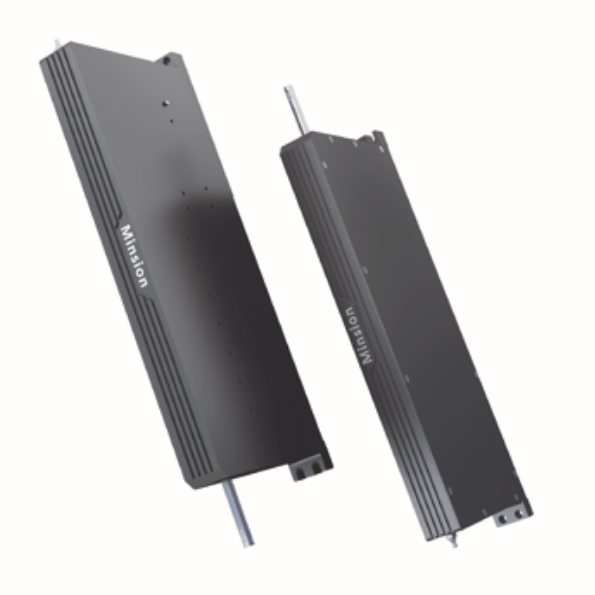
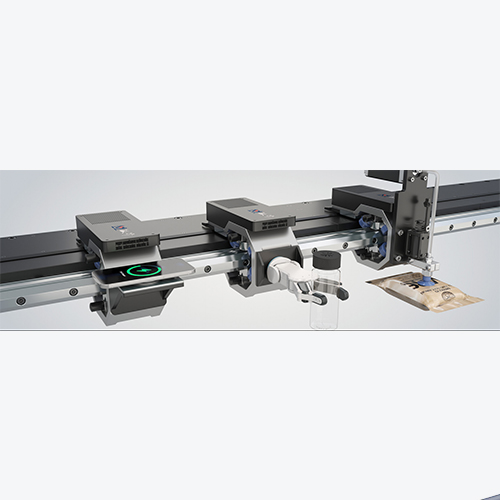
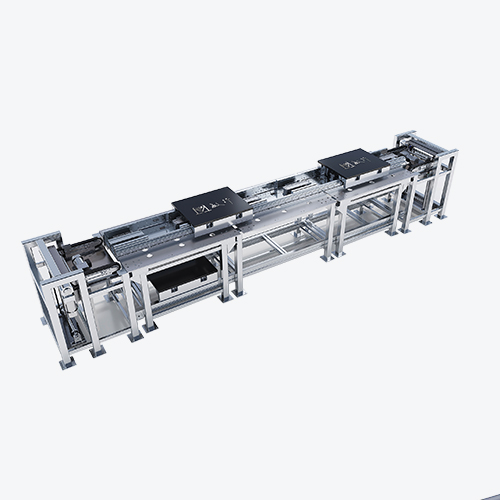
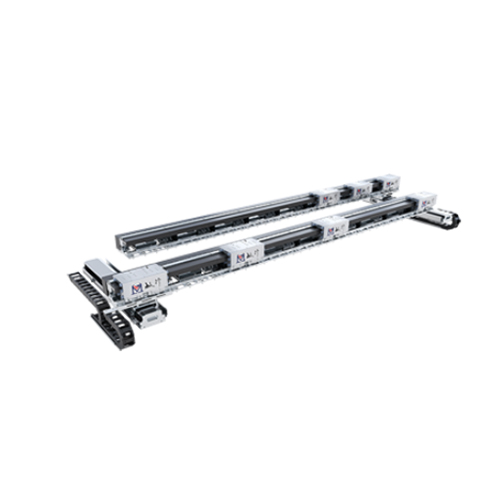
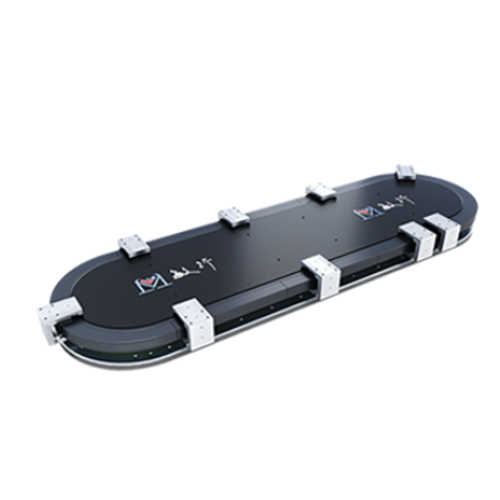
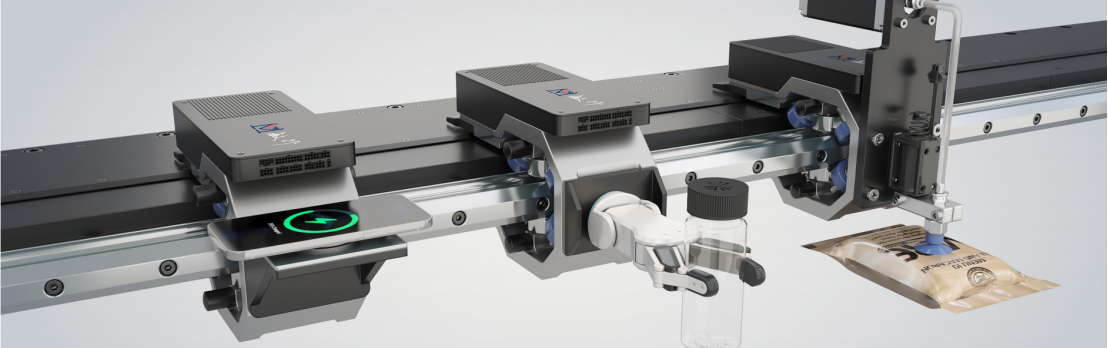
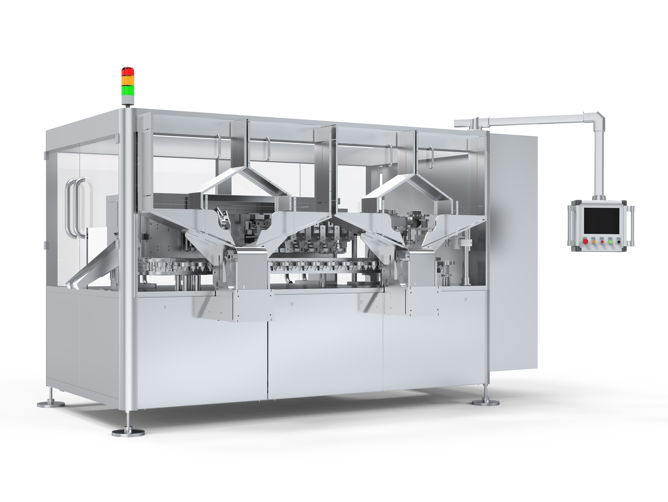
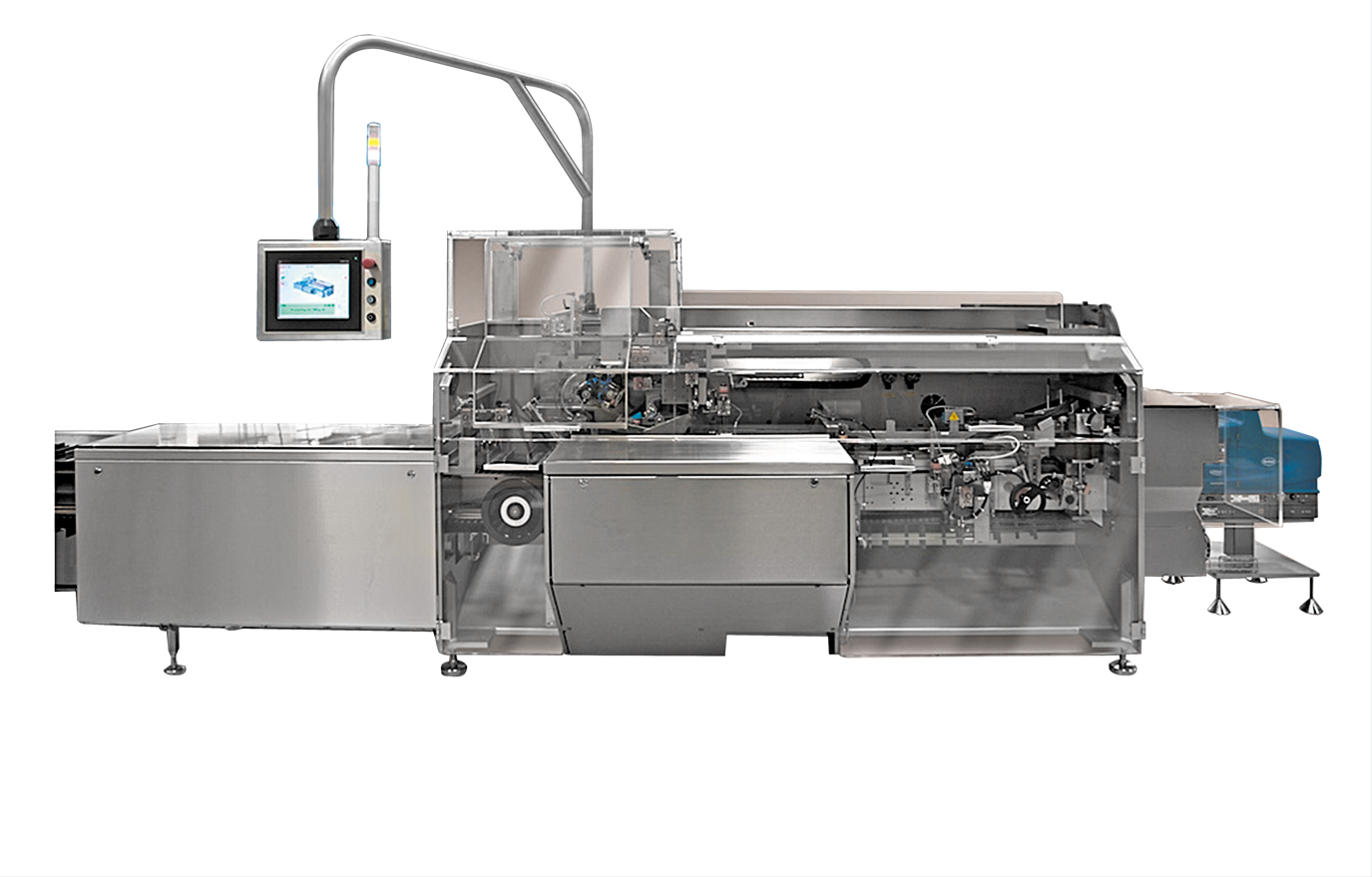
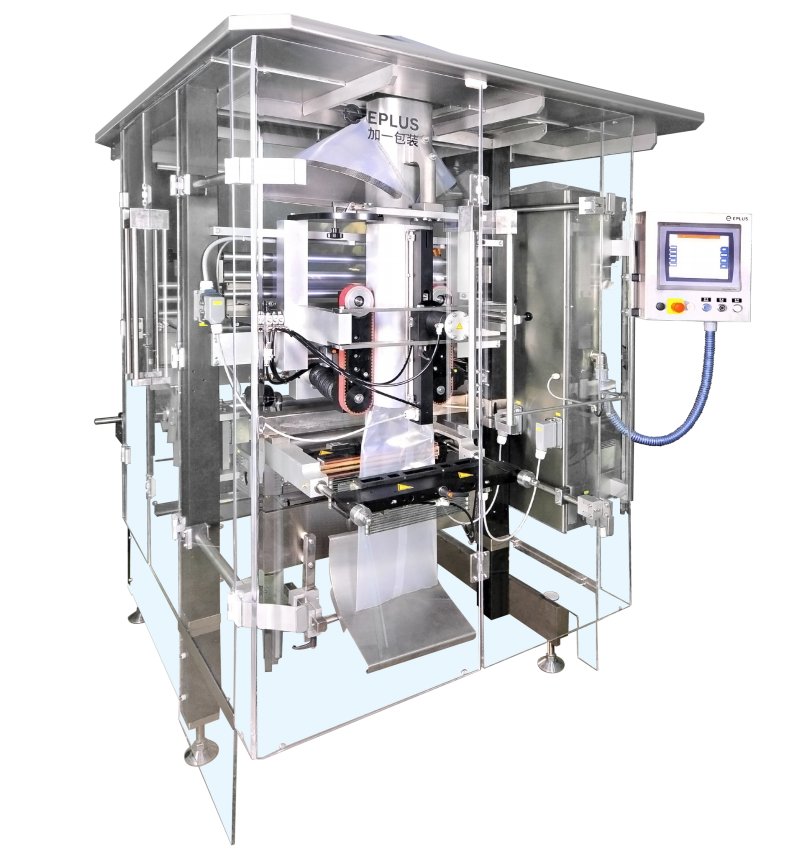
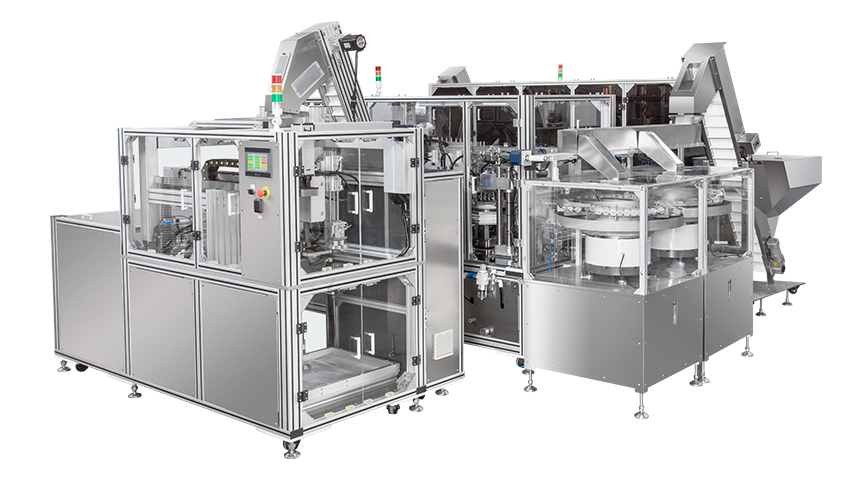
1、 Standard motor modules, dedicated movers, and specific guide rails.
2、Automatic "electromagnetic track-switching" technology enables products to move freely across multiple tracks.
3、 Applicable to fields such as NG (No-Good) handling, co-production of multiple products on the same line, mixed packaging, and customized production of personalized products.
4、 Customizable: Multiple combinations for unlimited possibilities.
*The following content is generated by AI and is for reference only.
The Branching & Converging Magnetic Levitation Conveyor represents a revolutionary advancement in automated material handling, designed to optimize logistics within high-speed manufacturing and distribution environments. Unlike traditional belt or roller systems, this technology utilizes magnetic levitation principles to suspend transport carriers above a guide rail, eliminating mechanical friction entirely. This unique design enables seamless branching and converging operations, allowing individual carriers to dynamically switch tracks without stopping or requiring complex mechanical switching mechanisms. Such flexibility is critical for industries demanding precise sorting, such as electronics assembly, pharmaceutical packaging, and e-commerce fulfillment centers where product diversity and throughput speed are paramount.
The system operates with exceptional precision, maintaining stable levitation even at high velocities while ensuring minimal vibration during transport. This stability protects sensitive components from damage that might occur with contact-based conveyors. Furthermore, the absence of physical contact significantly reduces maintenance requirements, as there are no belts to wear out, rollers to lubricate, or chains to tension. Energy efficiency is another major advantage, driven by the optimized electromagnetic control systems that only consume power when necessary to maintain lift or propel the carrier.
When deploying this technology, several operational considerations must be addressed. First, the installation environment requires strict adherence to electromagnetic compatibility standards to prevent interference with nearby sensitive electronic equipment. Second, while the system is robust, it demands specialized knowledge for programming the routing logic and managing the complex network of power supply segments along the track. Safety protocols must include emergency stop mechanisms and barrier systems, as the high-speed movement of floating carriers poses unique risks compared to stationary machinery. Additionally, regular calibration of the magnetic fields is essential to ensure consistent performance over time. Proper training for maintenance personnel is vital, as troubleshooting involves both electrical engineering and software diagnostics. By integrating this advanced conveyor system, facilities can achieve unprecedented levels of agility and efficiency in their material flow strategies.

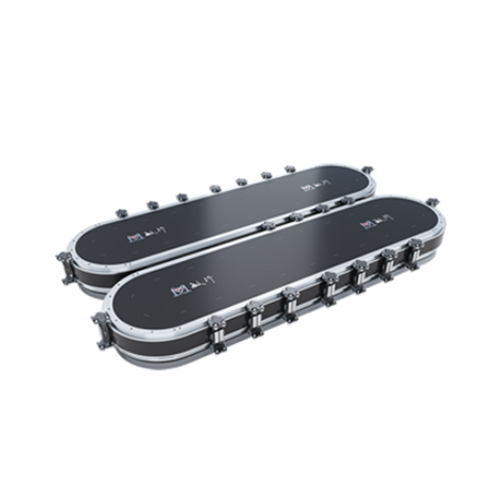




 (All Rights Reserved)