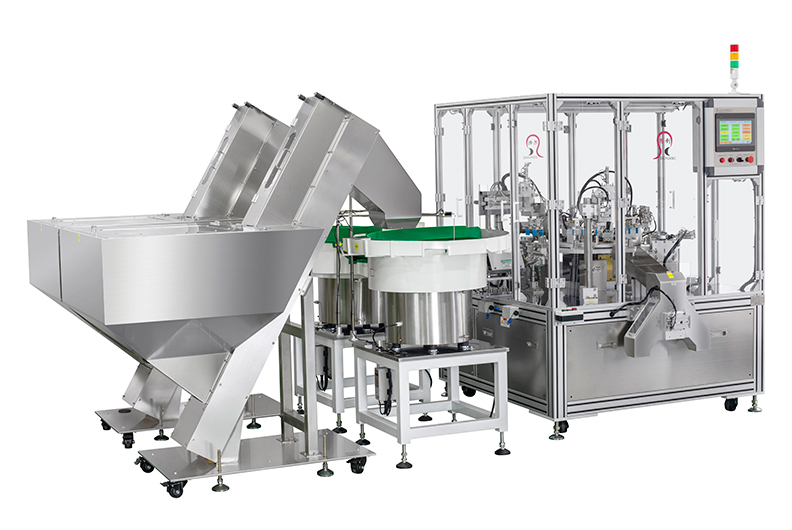
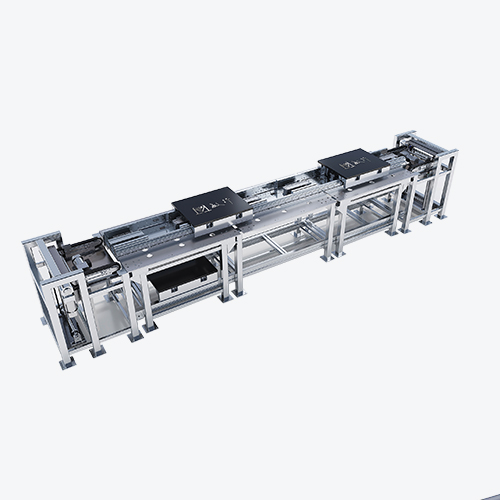
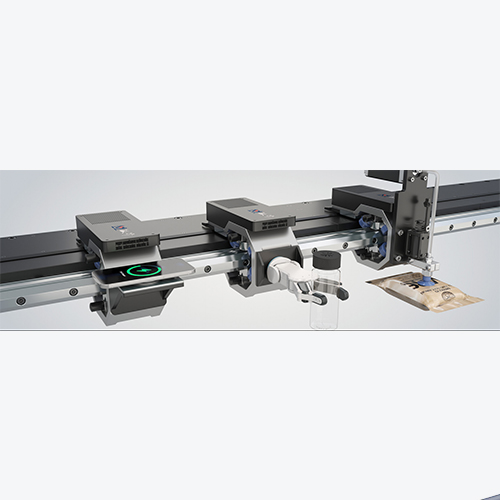
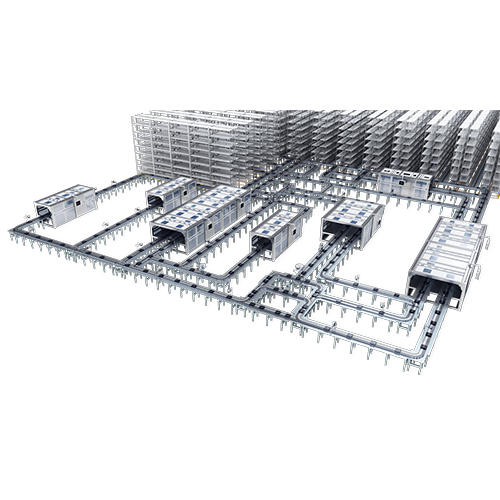
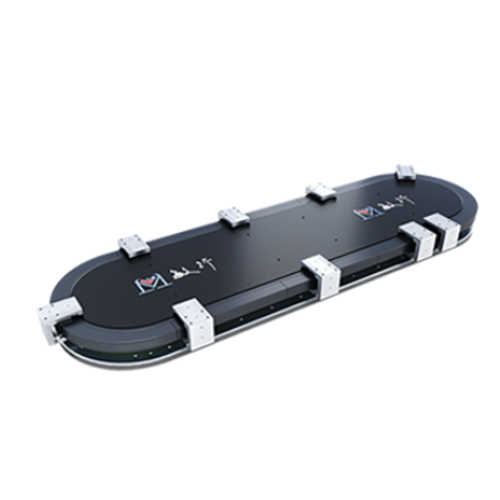
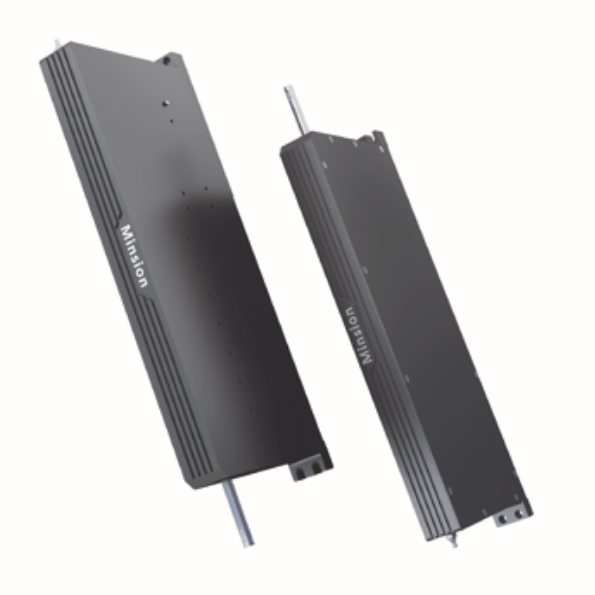
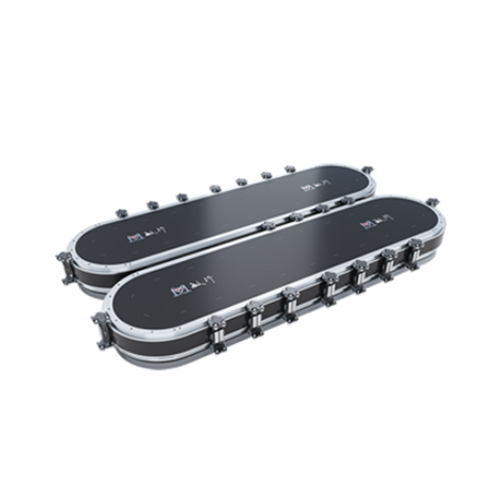
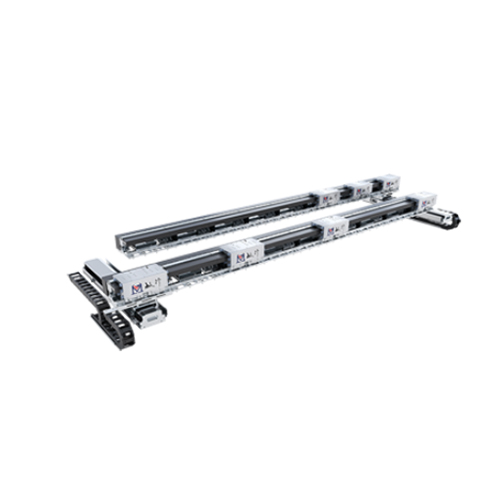
Achieve automatic connection function for injection molding, feeding,inspection, assembly,.packaging,etc.,without human intervention.
Use online intelligent inspection technology to distinguish qualified product and unqualified product,relieve the employees from inspection intensity.
Cooperate to realize artificial intelligent acquisition module which is convenient to data collecting,realize real-time monitoring the product data.
*The following content is generated by AI and is for reference only.
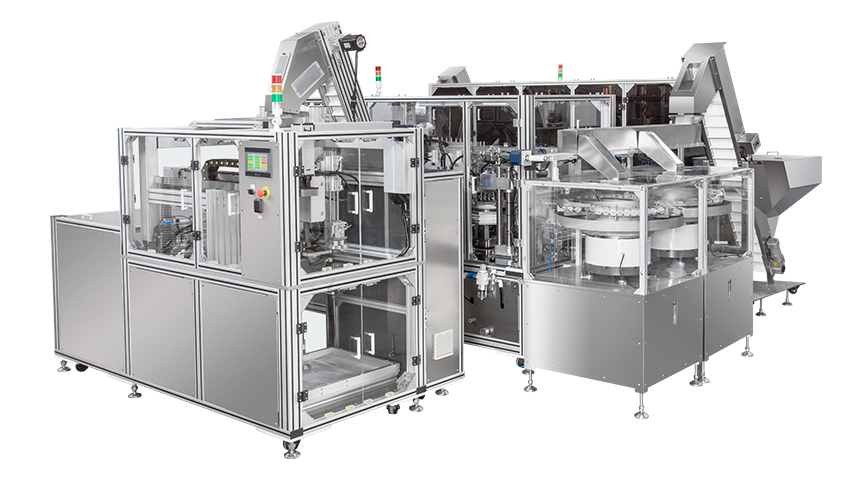
The automatic production line for infusion cap manufacturing, assembly, and packaging represents a critical advancement in medical device automation. Designed to streamline the creation of sterile closure systems for intravenous therapy, this equipment integrates multiple high-precision stages into a single continuous workflow. Its primary function is to transform raw materials, such as rubber stoppers and plastic caps, into fully assembled, ready-to-use components with consistent quality and speed.
The system typically features automated feeding mechanisms that align components precisely before robotic arms perform the assembly process. This ensures that the crimping or sealing action meets strict pharmaceutical standards without human intervention. Following assembly, the line incorporates advanced vision inspection systems to detect microscopic defects, ensuring only flawless products proceed to the packaging stage. The final output involves sterile bagging or cartoning, often within a controlled cleanroom environment to maintain product integrity.
Key operational considerations include rigorous adherence to hygiene protocols. Since these devices handle components directly contacting patient fluids, the entire production area must comply with ISO 14644 cleanroom classifications. Operators require specialized training to manage material handling and interpret real-time quality data from embedded sensors. Regular calibration of torque settings and vision algorithms is essential to prevent batch failures. Furthermore, the system demands a stable power supply and filtered air intake to avoid contamination risks during high-speed operations.
Maintenance schedules should focus on cleaning seals and lubricating moving parts with food-grade or medical-grade agents. Any deviation in temperature or humidity can affect the elasticity of rubber components, leading to seal failures. By automating these complex processes, manufacturers significantly reduce labor costs, minimize human error, and ensure a reliable supply chain for hospitals and clinics worldwide. Ultimately, this technology safeguards patient safety by guaranteeing that every infusion cap delivered is secure, sterile, and perfectly formed.





 (All Rights Reserved)