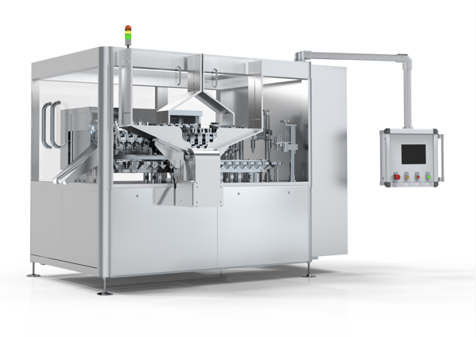
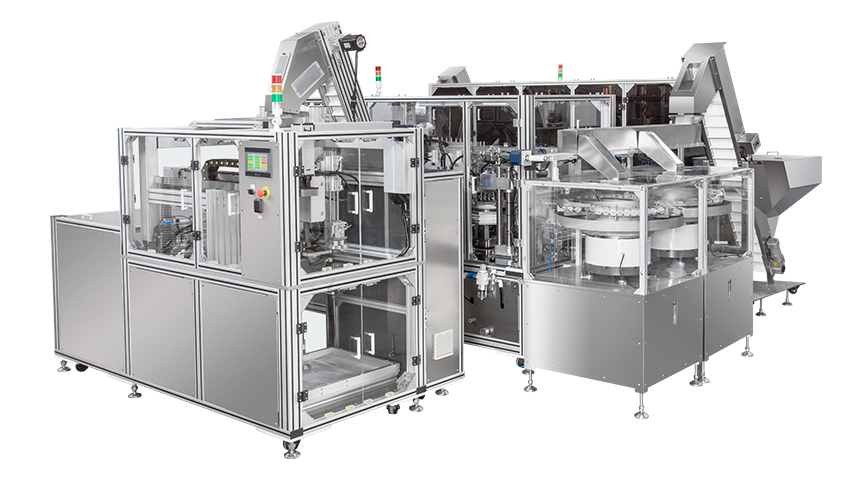
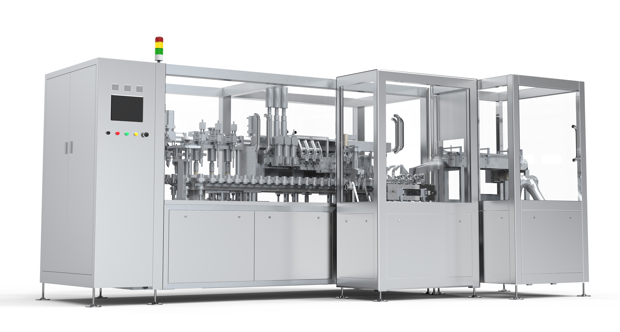
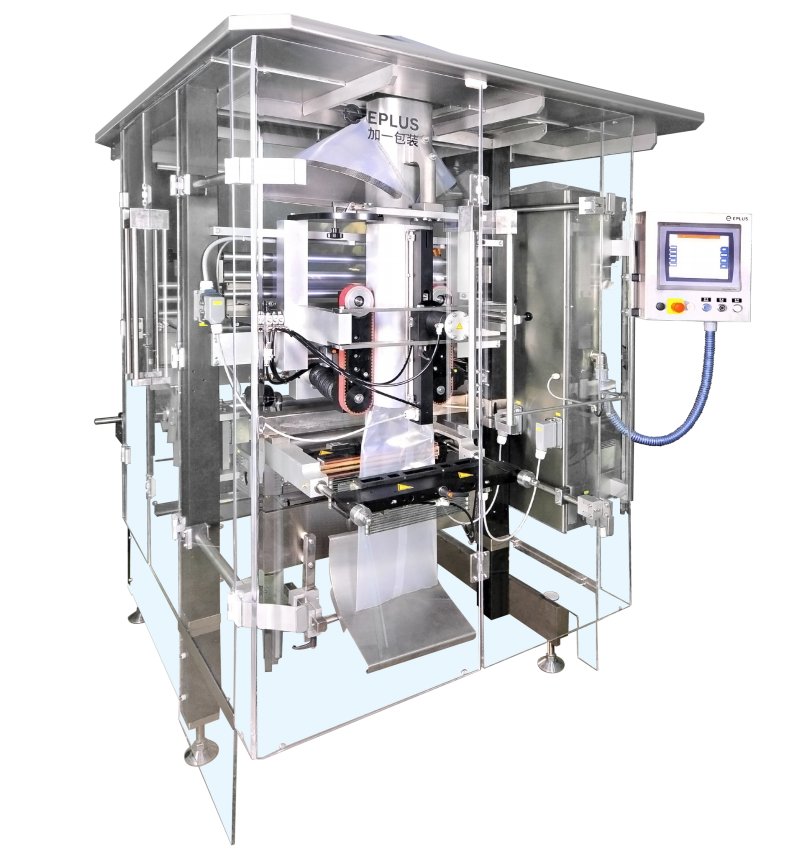
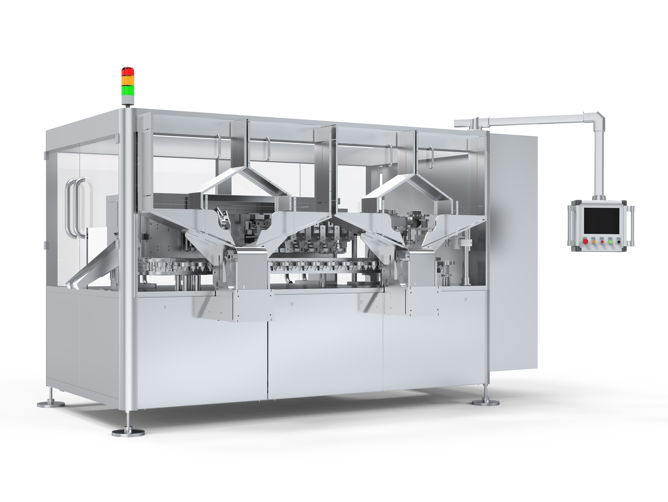
Product Description
1、IP67 protection rating.
2、Waterproof, dustproof, anti-corrosive, explosion-proof, and compliant with hygiene requirements.
3、Meets the operational needs in harsh production environments.
4、Easy and convenient maintenance, with all components capable of quick replacement.
AI Product Description
*The following content is generated by AI and is for reference only.
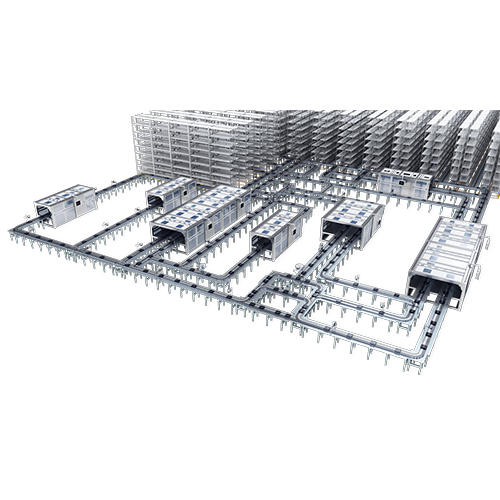
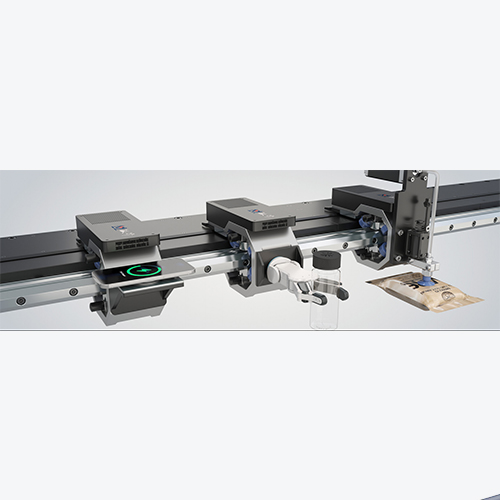
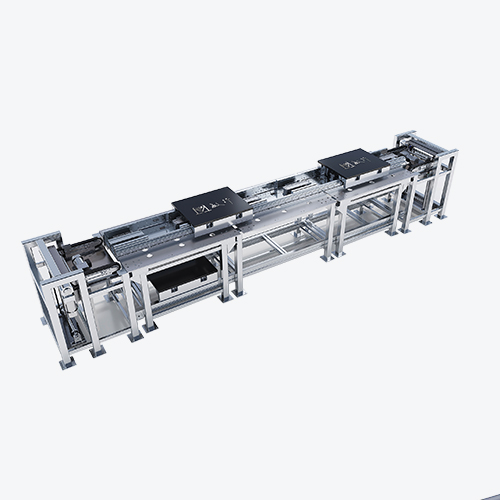
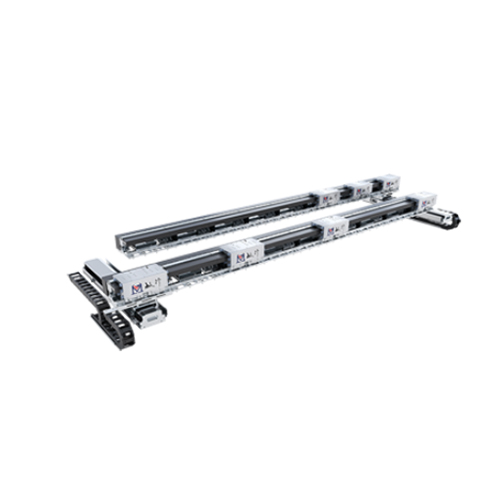
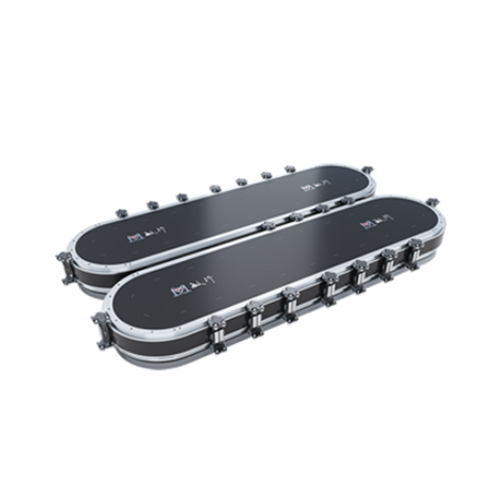
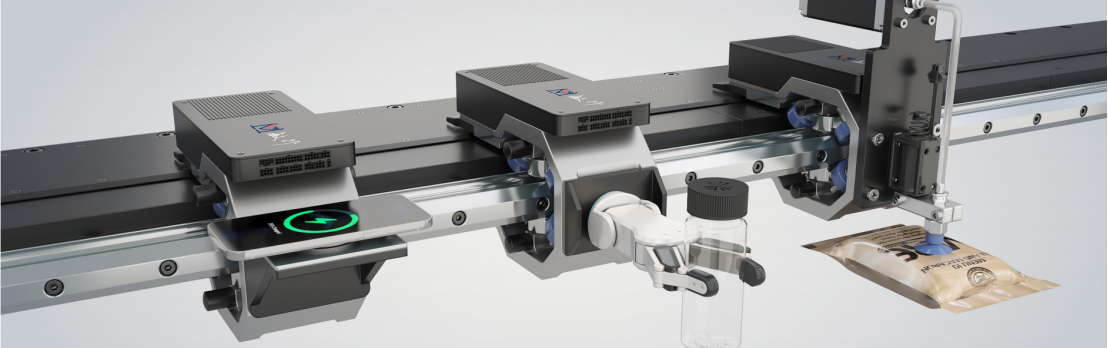
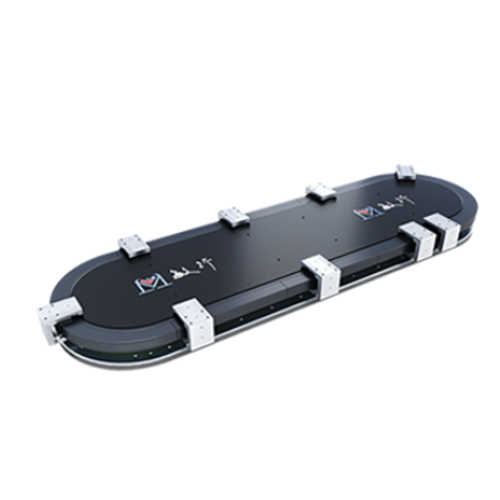
The Magnetic Levitation Circular Conveyor represents a revolutionary advancement in automated material handling, designed to eliminate mechanical friction and ensure ultra-precise positioning. By utilizing magnetic levitation technology, this system suspends carriers above a track without physical contact, creating a virtually maintenance-free environment. Its primary application lies in high-speed assembly lines, particularly within the electronics, semiconductor, and pharmaceutical industries where contamination control and gentle product transport are critical. The circular configuration allows for continuous flow, enabling efficient sorting, inspection, and distribution of components around a central hub or complex loop layout.
Key operational advantages include silent operation, as there is no mechanical noise generated by wheels or gears, and exceptional energy efficiency due to reduced resistance. The system supports variable speed control, allowing operators to adjust conveyor velocity instantly to match production demands or handle delicate items requiring slow, smooth movement. Furthermore, the lack of direct contact prevents particle generation, making it ideal for cleanroom environments where even microscopic dust can compromise product quality.
When deploying this technology, several precautions must be observed. First, strict adherence to electromagnetic compatibility (EMC) guidelines is essential to prevent interference with nearby sensitive electronic equipment. Second, while the system is robust, it requires specialized training for installation and troubleshooting, as fault diagnosis involves understanding complex control algorithms rather than simple mechanical checks. Regular software updates are necessary to maintain optimal performance and safety protocols. Additionally, although the system minimizes wear, the power supply and control modules should be protected from extreme temperatures and humidity fluctuations. Operators must also ensure that all carriers are properly balanced before loading to prevent instability during high-speed rotation. Finally, emergency stop mechanisms should be tested frequently to guarantee immediate response in case of system anomalies, ensuring both personnel safety and product integrity throughout the manufacturing process.





 (All Rights Reserved)