Product Description
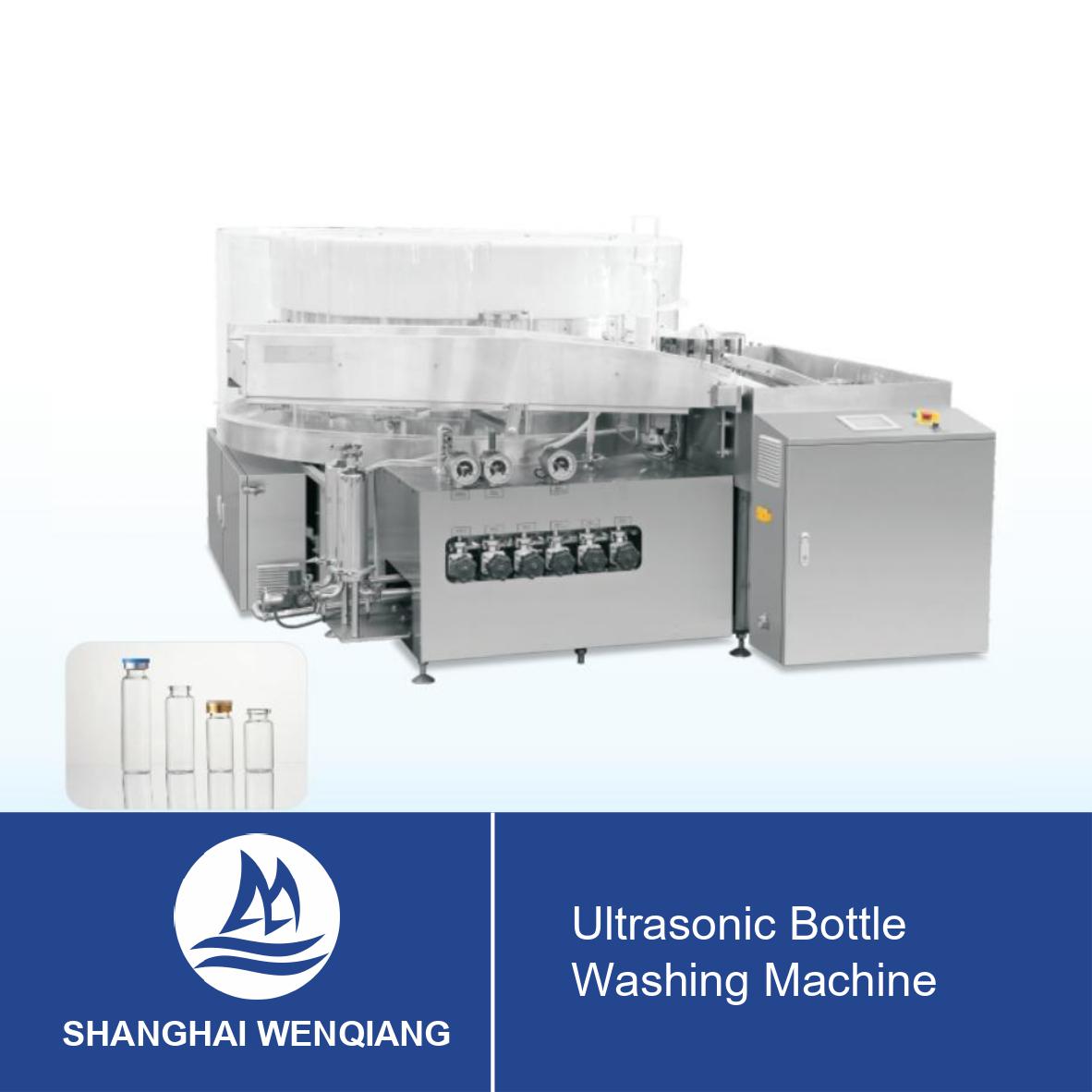
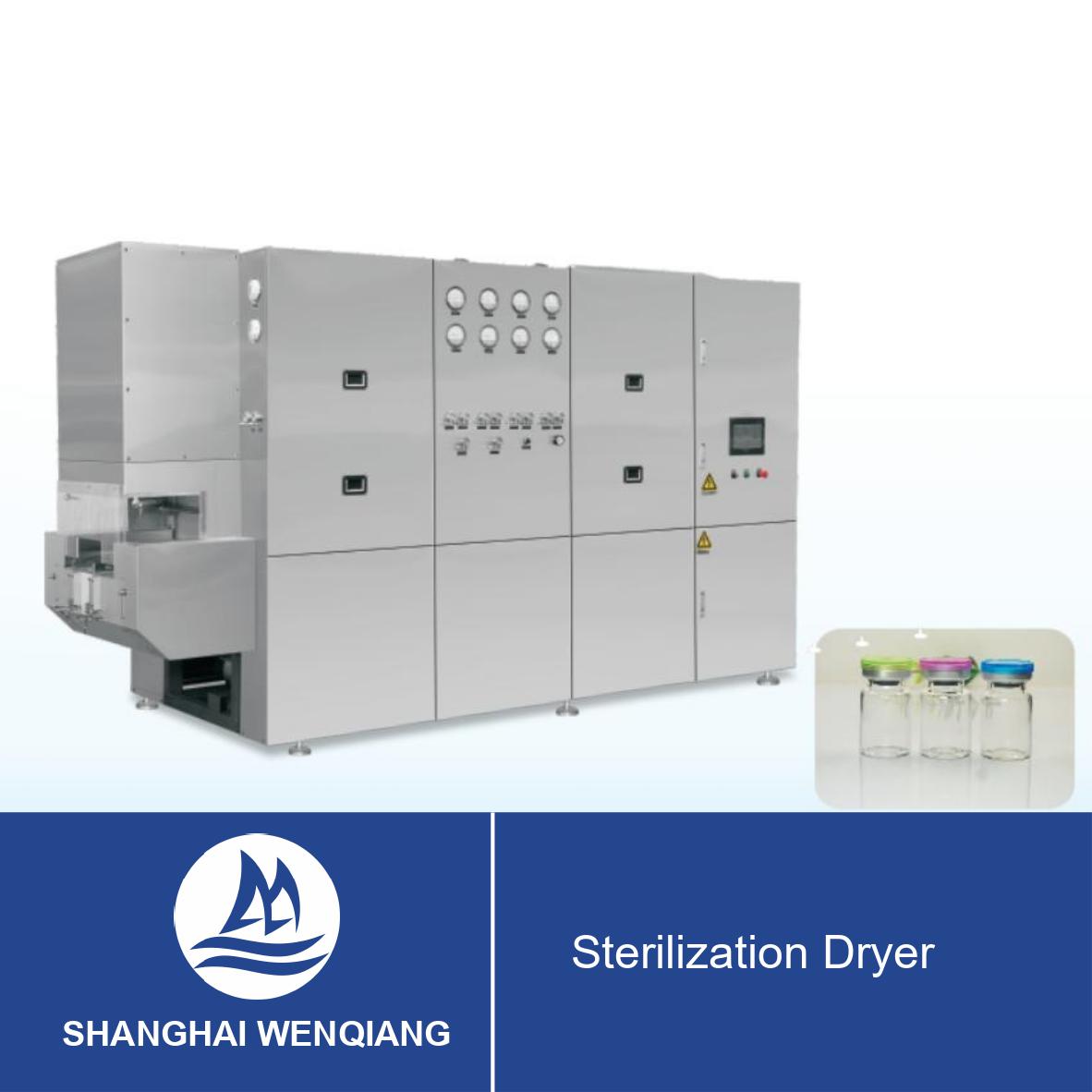
Suitable for drying and sterilizing oral liquid bottles, antibiotic bottles and ampoules. The operation process is preheating, high-temperature sterilization and cooling to dry, sterilize and de-thermogenize the glass containers.
AI Product Description
*The following content is generated by AI and is for reference only.
The product in question is a specialized industrial and laboratory appliance designed for the efficient drying of sterilized medical instruments, surgical tools, and glassware following heat-based sterilization processes. Its primary function is to remove residual moisture from items that have undergone autoclaving or dry-heat sterilization, ensuring they remain sterile and ready for immediate use or storage. Moisture left on equipment can compromise sterility by allowing microorganisms to survive or re-contaminate surfaces, making this drying phase critical in infection control protocols within hospitals, dental clinics, research facilities, and pharmaceutical manufacturing environments.
Typically constructed with high-grade stainless steel interiors and robust insulation materials, these units maintain precise temperature control to prevent thermal shock to sensitive instruments while accelerating evaporation. The internal design often features optimized air circulation systems to ensure uniform drying across all shelves without creating cold spots. Many modern iterations include automated timers, safety cut-offs, and programmable cycles to accommodate various load types and material sensitivities.
Key operational precautions must be strictly observed to ensure safety and equipment longevity. Operators should never overload the chamber, as this restricts airflow and leads to uneven drying or potential overheating. It is imperative to verify that all items placed inside are compatible with the specific drying temperatures used; some plastics or delicate components may warp or degrade under high heat. Additionally, users must allow sufficient cooling time before removing loads to avoid burns or sudden condensation upon exposure to ambient air. Regular maintenance, including cleaning of filters and checking heating elements, is essential to maintain performance efficiency. Proper ventilation around the unit is also required to dissipate excess heat effectively. Adhering to manufacturer guidelines regarding loading patterns and cycle selection ensures optimal results, preserves instrument integrity, and upholds strict hygiene standards necessary for patient safety and regulatory compliance in healthcare settings.





 (All Rights Reserved)