Product Description
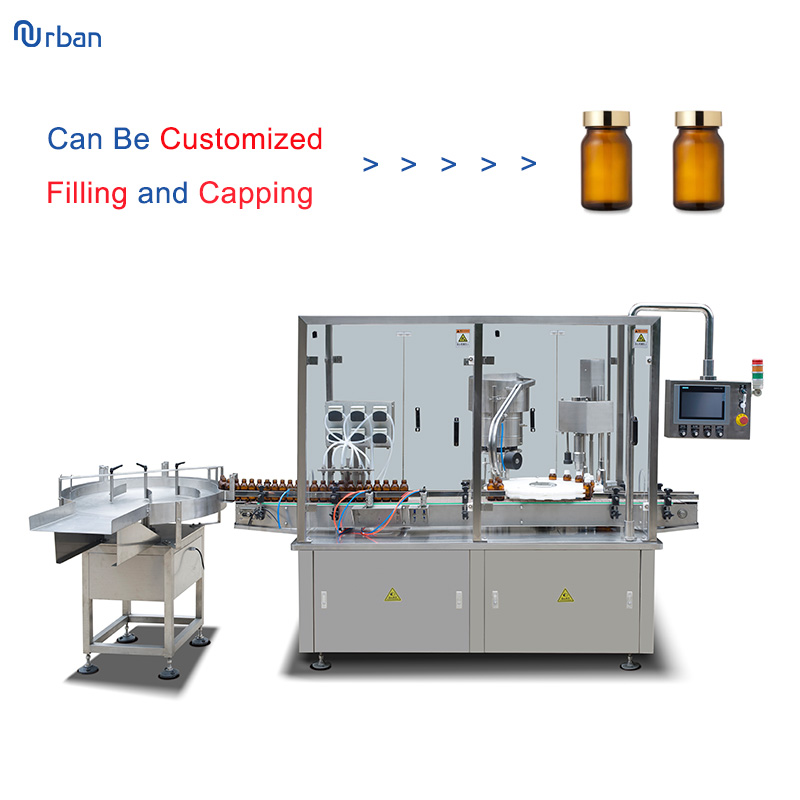
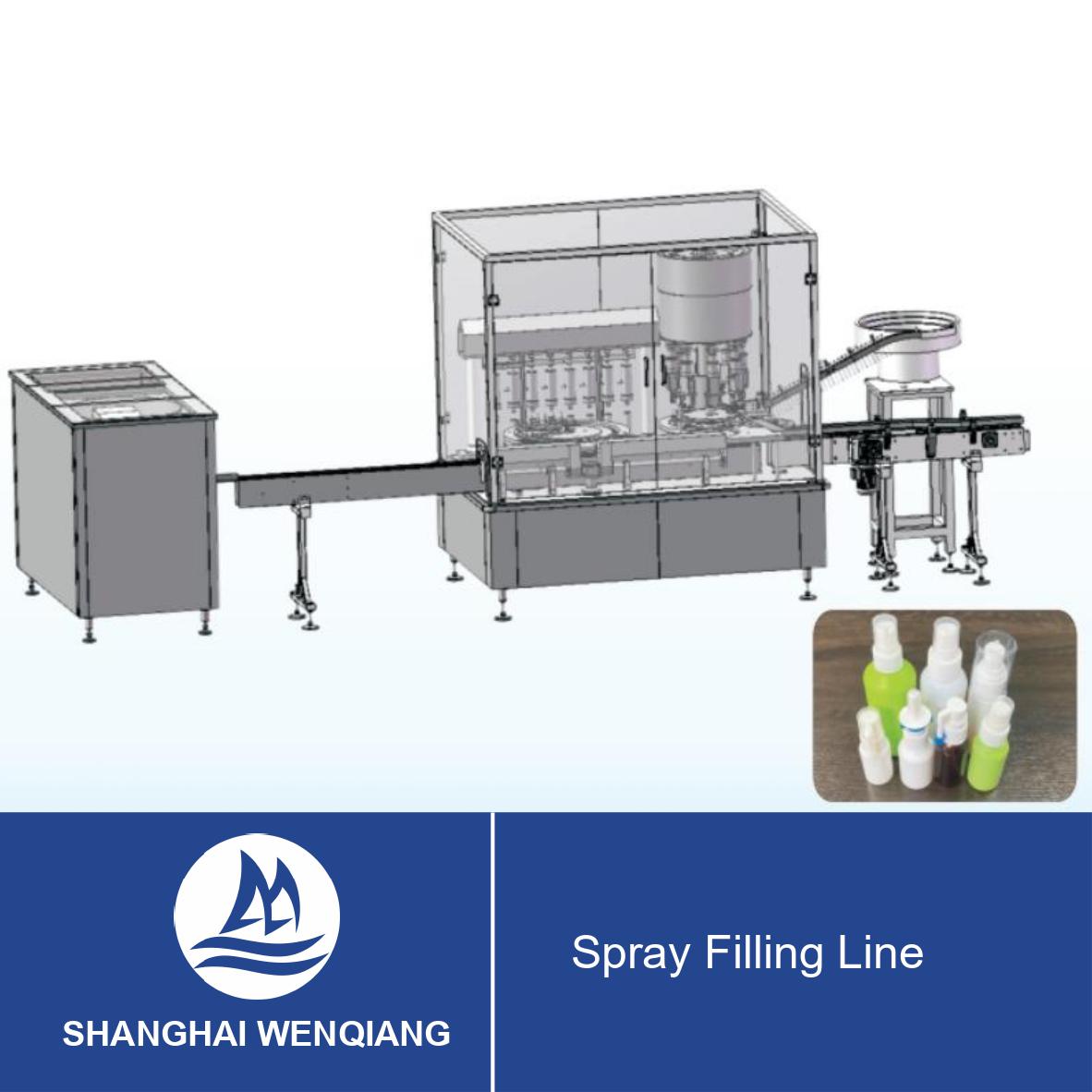
Suitable for filling production of various spray bottles.
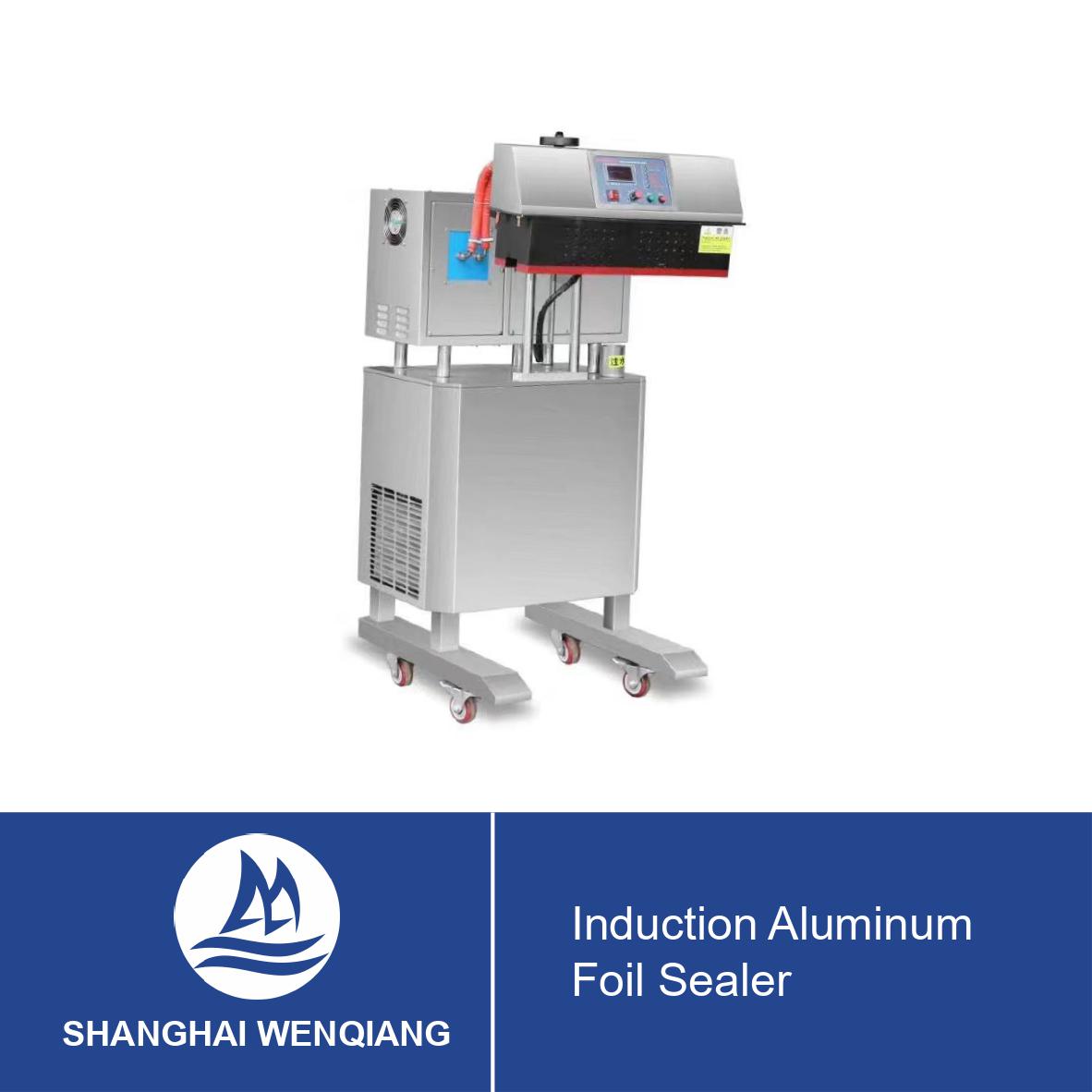
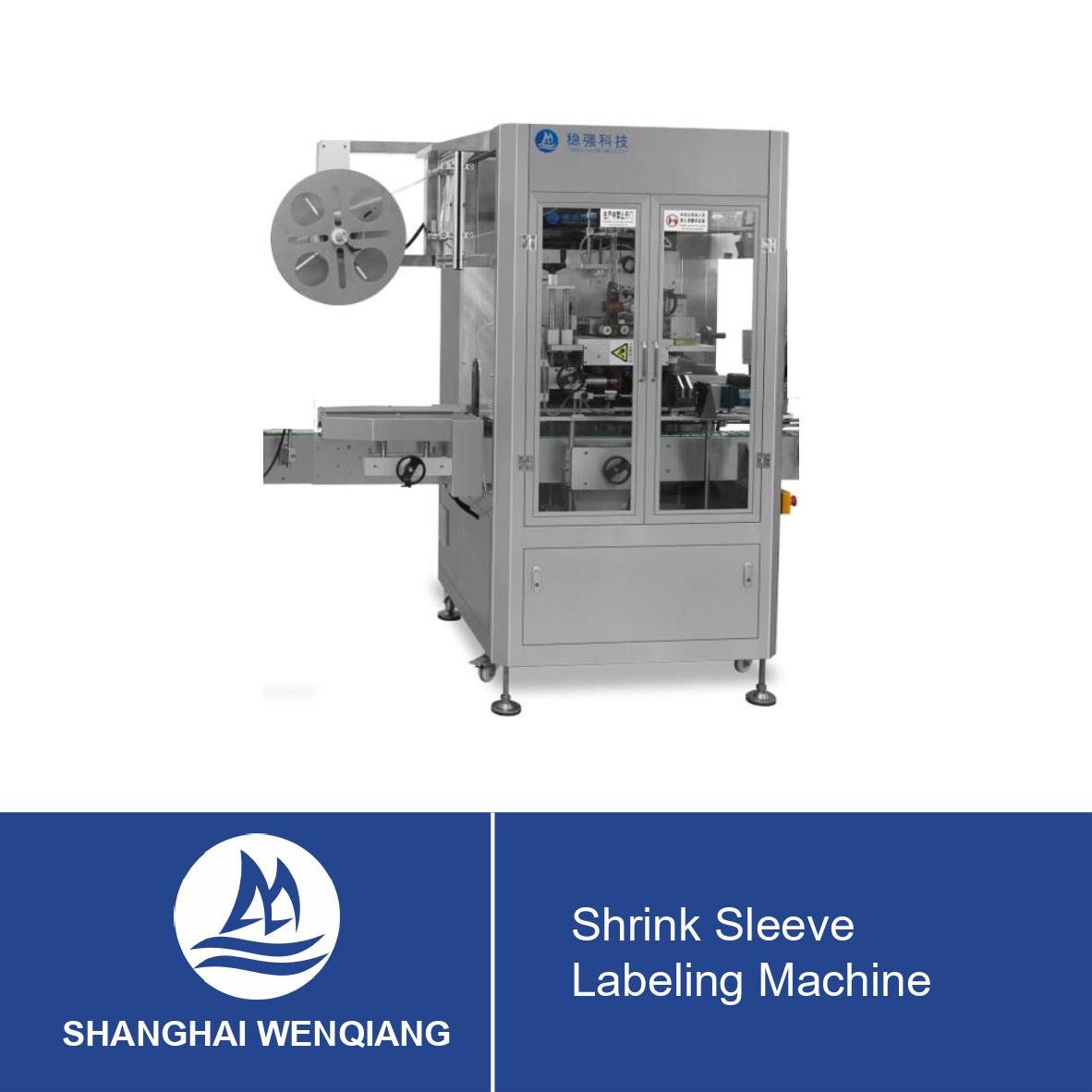
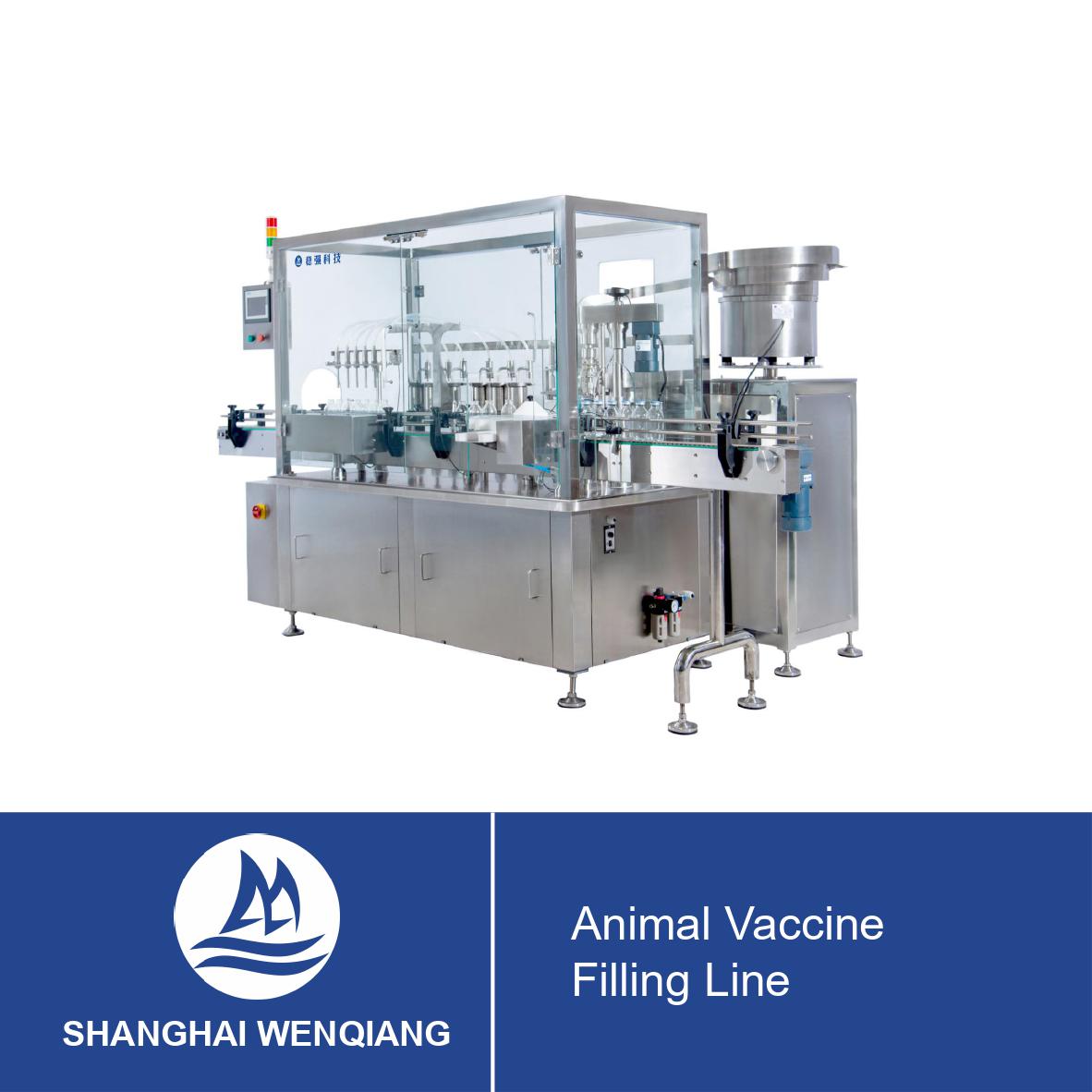
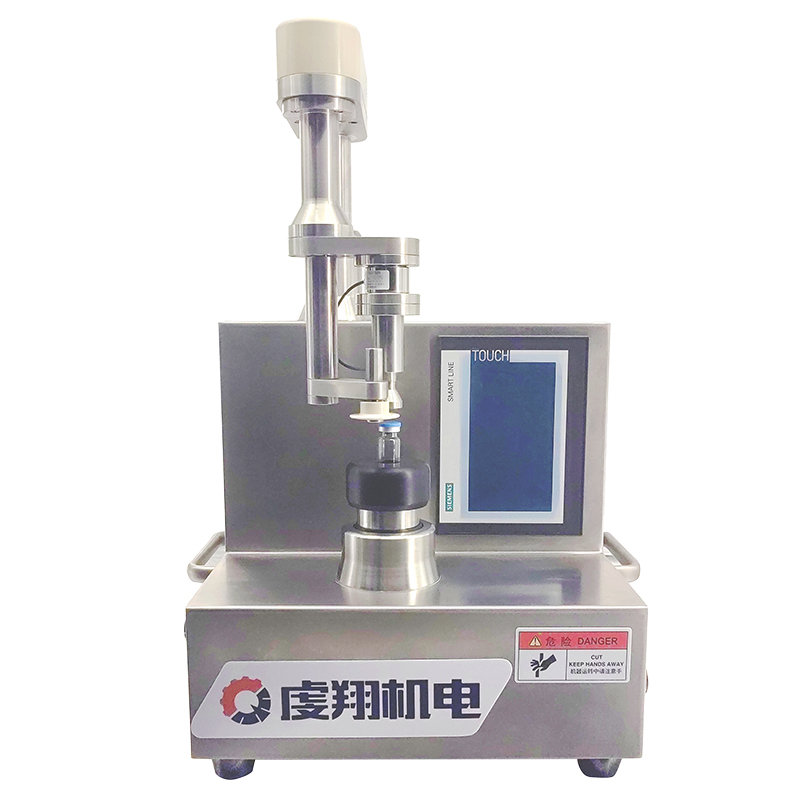
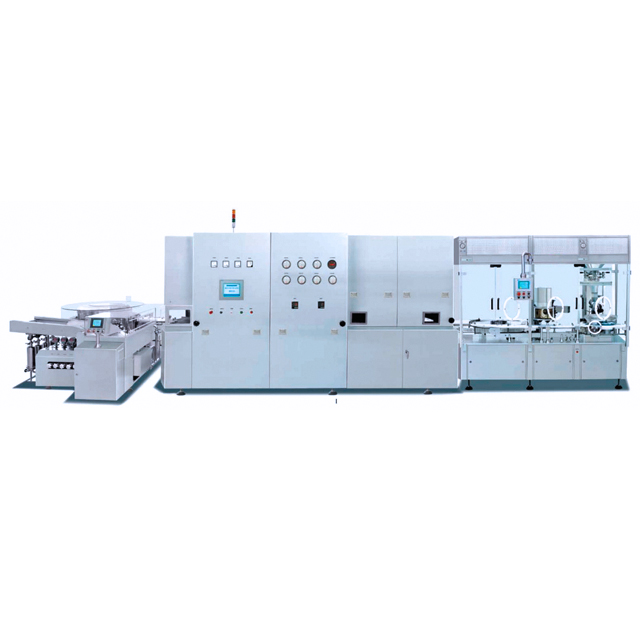
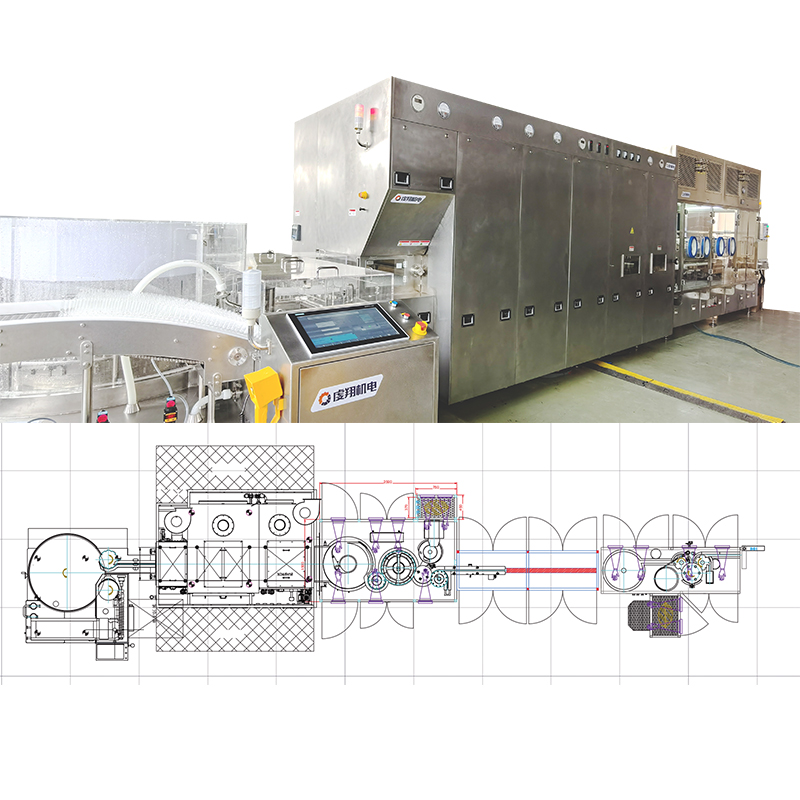
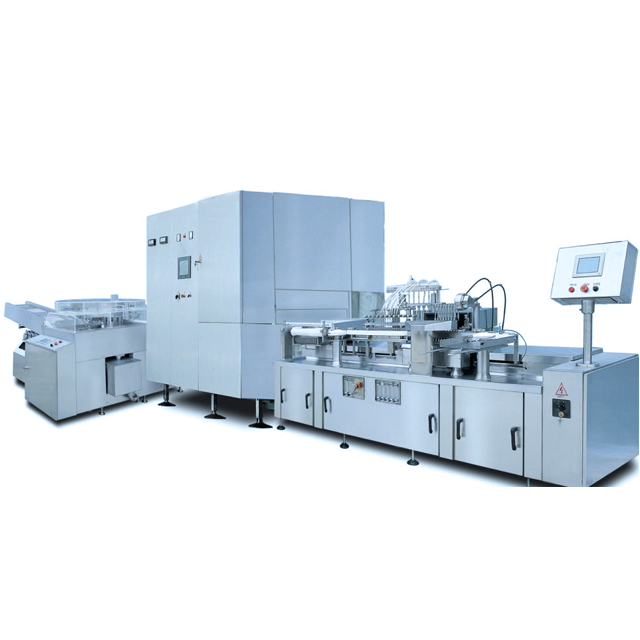
This line consists of bottle unscrambler, automatic filling station, dip tube placing station, capping station, and labeler.
The main body of the equipment is made of 304 stainless steel, aluminum alloy and other polymer materials, and the part in contact with liquid is made of 316L stainless steel and silicone tube.
Filling range: 20-120ml
Filling speed: 40-120 bottles/minute
AI Product Description
*The following content is generated by AI and is for reference only.
The device described is a high-speed liquid filling system designed for the automated dispensing of fluids into containers such as bottles, jars, or vials. Primarily utilized in industries including pharmaceuticals, cosmetics, food and beverage, and chemical manufacturing, this machinery ensures precise volume control while maintaining hygiene and operational efficiency. The core function involves synchronizing container transport with nozzle actuation to deliver exact quantities of product, minimizing waste and preventing spillage. Advanced models often feature touch-screen interfaces for easy parameter adjustment, allowing operators to switch between different fill volumes or container types rapidly without complex recalibration.
Key applications include bottling water, juices, syrups, lotions, serums, and liquid detergents. The system accommodates various viscosities, from thin solvents to thicker creams, by adjusting pump pressure and flow rates dynamically. Safety mechanisms are integral to its design, incorporating sensors that detect empty containers to prevent dry runs and automatic shutdown systems that trigger in case of mechanical faults or pressure anomalies. This ensures both operator safety and equipment longevity.
Critical precautions during operation include regular cleaning and sterilization protocols to avoid cross-contamination, especially when switching between products with different allergens or ingredients. Operators must strictly adhere to maintenance schedules to inspect seals, nozzles, and valves for wear and tear. Electrical components should be kept dry, and only trained personnel should access internal mechanisms to prevent injury. Additionally, compatibility checks between the machine materials and the specific fluid being processed are essential to prevent chemical reactions or corrosion. Proper grounding and adherence to local electrical codes are mandatory to ensure safe installation. By following these guidelines, manufacturers can achieve consistent output quality, maximize production throughput, and maintain a safe working environment.





 (All Rights Reserved)