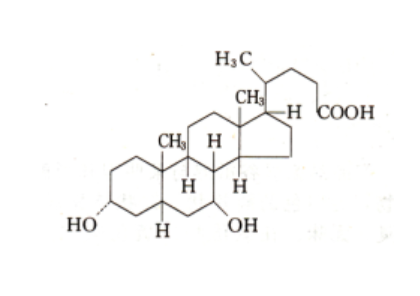
Product name: Ursodeoxycholic acid CAS NO: 128-13-2 Chinese alias: Ursodeoxycholic acid; 3α,7β-Dihydroxy-5β-cholestane-24-acid Molecular formula:
C24H40O4
Molecular weight: 392.58 English name: Ursodeoxycholic acid EINECS: 204-879-3 Density: English alias: 3α,7β-dihydroxycholanic acid; UDCA flash point: melting point: 203-206 ºC boiling point: toxicity
*The following content is generated by AI and is for reference only.
Ursodeoxycholic acid (UDCA), also known as ursodiol, is a naturally occurring secondary bile acid widely utilized in clinical medicine for the management of various hepatobiliary disorders. Its chemical identity is defined by the molecular formula C24H40O4 and it is registered under the CAS number 128-13-2. Structurally, UDCA is a hydrophilic bile acid that distinguishes itself from more toxic endogenous bile acids like chenodeoxycholic acid, offering a favorable safety profile for long-term therapeutic use.
The primary mechanism of action involves the displacement of cytotoxic hydrophobic bile acids from the enterohepatic circulation, thereby reducing their concentration in the liver and protecting hepatocytes from damage. This property makes it highly effective in dissolving cholesterol gallstones in patients who are not candidates for surgery or who have small, radiolucent stones with a functioning gallbladder. Furthermore, UDCA is the first-line therapy for primary biliary cholangitis (PBC), formerly known as primary biliary cirrhosis. In PBC, it slows disease progression, improves liver biochemical markers, and delays the need for liver transplantation by modulating immune responses and stabilizing cell membranes.
Beyond these established indications, research suggests potential benefits in other conditions such as cystic fibrosis-related liver disease and certain drug-induced liver injuries due to its cytoprotective and anti-apoptotic effects. The compound acts as a choleretic agent, stimulating bile flow which aids in the clearance of toxins. It is typically administered orally in capsule or tablet form, with dosing tailored to body weight and specific clinical requirements. While generally well-tolerated, minor side effects may include diarrhea or abdominal discomfort. As a critical tool in hepatology, Ursodeoxycholic acid remains indispensable for preserving liver function and improving quality of life for patients suffering from chronic cholestatic diseases, bridging the gap between medical management and surgical intervention.





 (All Rights Reserved)