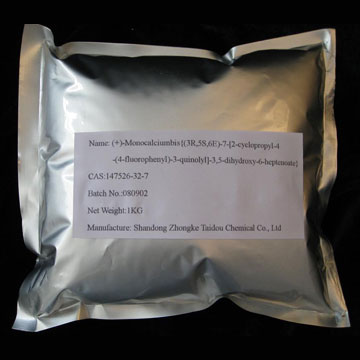
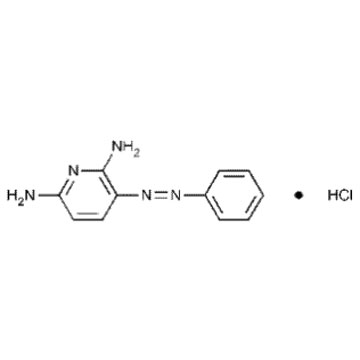
Product Description
Our skilled professionals formulate these compounds by making use of various ingredients and chemicals available in the market.
We formulate these drugs in our using latest equipment therefore these medicines have longer shelf life and are very effective.
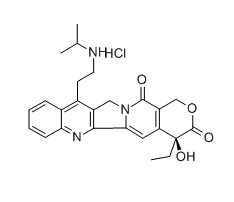
Belotecan hydrochloride is available in various specifications to meet our clients' demands.
AI Product Description
*The following content is generated by AI and is for reference only.
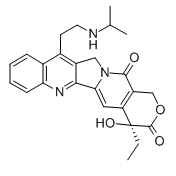
Belotecan hydrochloride is a potent second-generation camptothecin derivative developed primarily for the treatment of refractory or relapsed small cell lung cancer (SCLC). Chemically, it acts as a topoisomerase I inhibitor, stabilizing the transient DNA-enzyme complex formed during the catalytic cycle. This stabilization prevents the re-ligation of single-strand DNA breaks, leading to the accumulation of double-strand breaks and subsequent induction of apoptosis in rapidly dividing tumor cells. Its molecular formula is C20H24ClN3O5, corresponding to a molecular weight of approximately 417.87 g/mol. The substance is widely recognized by its CAS registry number, 169598-72-1, which serves as a unique identifier for chemical databases and regulatory documentation.
Compared to its predecessor, topotecan, belotecan exhibits a distinct pharmacokinetic profile characterized by higher lipophilicity and improved water solubility in acidic conditions, allowing for more efficient cellular uptake and potentially enhanced therapeutic efficacy against drug-resistant strains. The hydrochloride salt form ensures stability and facilitates intravenous administration, which is critical for clinical oncology protocols. Clinical trials have demonstrated that belotecan offers significant response rates in patients who have failed prior platinum-based therapies, making it a valuable option in salvage regimens. However, like other agents in its class, its use is associated with dose-limiting toxicities, including severe myelosuppression, neutropenia, and thrombocytopenia, necessitating careful patient monitoring and dose adjustments.
Beyond its primary application in SCLC, ongoing research explores its potential utility in treating other solid tumors, such as ovarian and breast cancers, where topoisomerase I overexpression may occur. The development of belotecan represents a significant advancement in camptothecin chemistry, addressing limitations regarding solubility and stability inherent in earlier generations. As a synthetic antineoplastic agent, it remains a crucial component in the global arsenal against aggressive malignancies, particularly in regions where access to novel targeted therapies is expanding. Pharmaceutical manufacturers continue to optimize its formulation to minimize adverse effects while maximizing tumor selectivity, ensuring its relevance in modern chemotherapy standards.





 (All Rights Reserved)