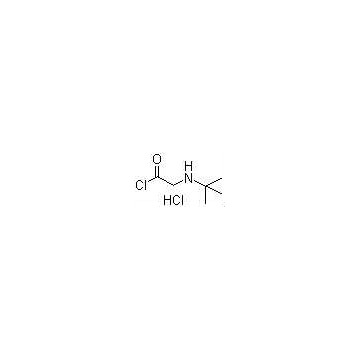
Product Description
AI Product Description
*The following content is generated by AI and is for reference only.
Triethyl orthoformate, chemically known as triethoxy methane, is a versatile organic compound widely utilized in synthetic chemistry and industrial applications. With the molecular formula C7H16O3 and a CAS number of 122-50-9, this colorless liquid possesses a distinct ether-like odor and serves as a crucial reagent in various organic transformations. Its primary function stems from its ability to act as an ethoxymethylene equivalent, facilitating the introduction of formyl groups into molecular structures under mild conditions.
In laboratory and industrial settings, Triethyl orthoformate is predominantly employed as a protecting group agent for aldehydes and ketones. It reacts efficiently with carbonyl compounds to form stable acetals or ketals, which are essential intermediates in complex molecule synthesis, particularly in pharmaceutical development and natural product isolation. This protection strategy allows chemists to manipulate other functional groups within a molecule without affecting sensitive carbonyl centers. Furthermore, it acts as a dehydrating agent in esterification reactions and plays a significant role in the synthesis of heterocyclic compounds, including pyridines and imidazoles, by providing the necessary carbon framework.
The compound is also valued in polymer chemistry for modifying resin properties and enhancing cross-linking efficiency. Its solubility in common organic solvents like ethanol, ether, and chloroform makes it easy to handle and integrate into diverse reaction systems. Safety protocols require careful handling due to its potential to release ethanol upon hydrolysis and its flammability; thus, storage in cool, dry places away from strong acids and oxidizers is mandatory. While not a bulk commodity chemical, its niche utility in fine chemical synthesis ensures its continued demand in research institutions and specialty manufacturing sectors. Overall, Triethyl orthoformate remains an indispensable tool for chemists seeking efficient routes to construct complex organic architectures with high precision and yield.





 (All Rights Reserved)


![5,6,7,7a-Tetrahydro thieno[3,2-c]pyridin-2(4H)-one Hydrochloride](https://eimg.pharmasources.com/img_Cphi_en/Product/2016_02/Mimg_1602021058457992.jpg)