Product Description
Pharmaceutical
Raw Materials and Intermediates
AI Product Description
*The following content is generated by AI and is for reference only.
Pitavastatin calcium intermediate, often referred to in research contexts as the Pitavastatin condensate or specific synthetic precursor, serves as a critical building block in the pharmaceutical manufacturing of pitavastatin calcium. This active pharmaceutical ingredient (API) is a potent statin drug primarily utilized for managing hyperlipidemia and reducing cardiovascular risk. While the exact chemical structure of the "condensate" may vary depending on the specific synthetic pathway employed by different manufacturers, it generally represents a key intermediate formed during the complex multi-step synthesis required to produce the final therapeutic agent.
The molecular formula and CAS number for the precise intermediate can fluctuate based on the specific stage of synthesis, as intermediates are transient species not always assigned unique permanent identifiers like final drugs. However, the final pitavastatin calcium product carries the CAS number 204359-78-6 with the molecular formula C24H26FNO5Ca. The intermediate typically shares a significant portion of this carbon skeleton but lacks the final calcium salt formation or specific stereochemical adjustments found in the end-product. Its primary utility lies within industrial quality control, process validation, and the development of robust synthesis protocols for large-scale production.
In laboratory settings, researchers utilize this intermediate to optimize reaction yields, minimize impurities, and ensure the high purity standards required for clinical applications. By studying the properties of this condensate, chemists can better understand the degradation pathways and stability profiles of the molecule before it reaches the final formulation stage. The use of such intermediates is essential for regulatory compliance, ensuring that the manufacturing process remains consistent, efficient, and safe. Ultimately, while the intermediate itself is not administered to patients, it plays an indispensable role in the lifecycle of one of the most effective cholesterol-lowering medications available today, bridging the gap between raw chemical precursors and life-saving therapeutics.

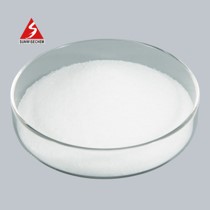




 (All Rights Reserved)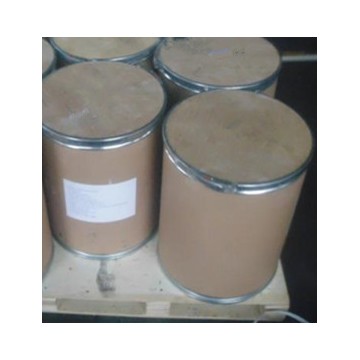
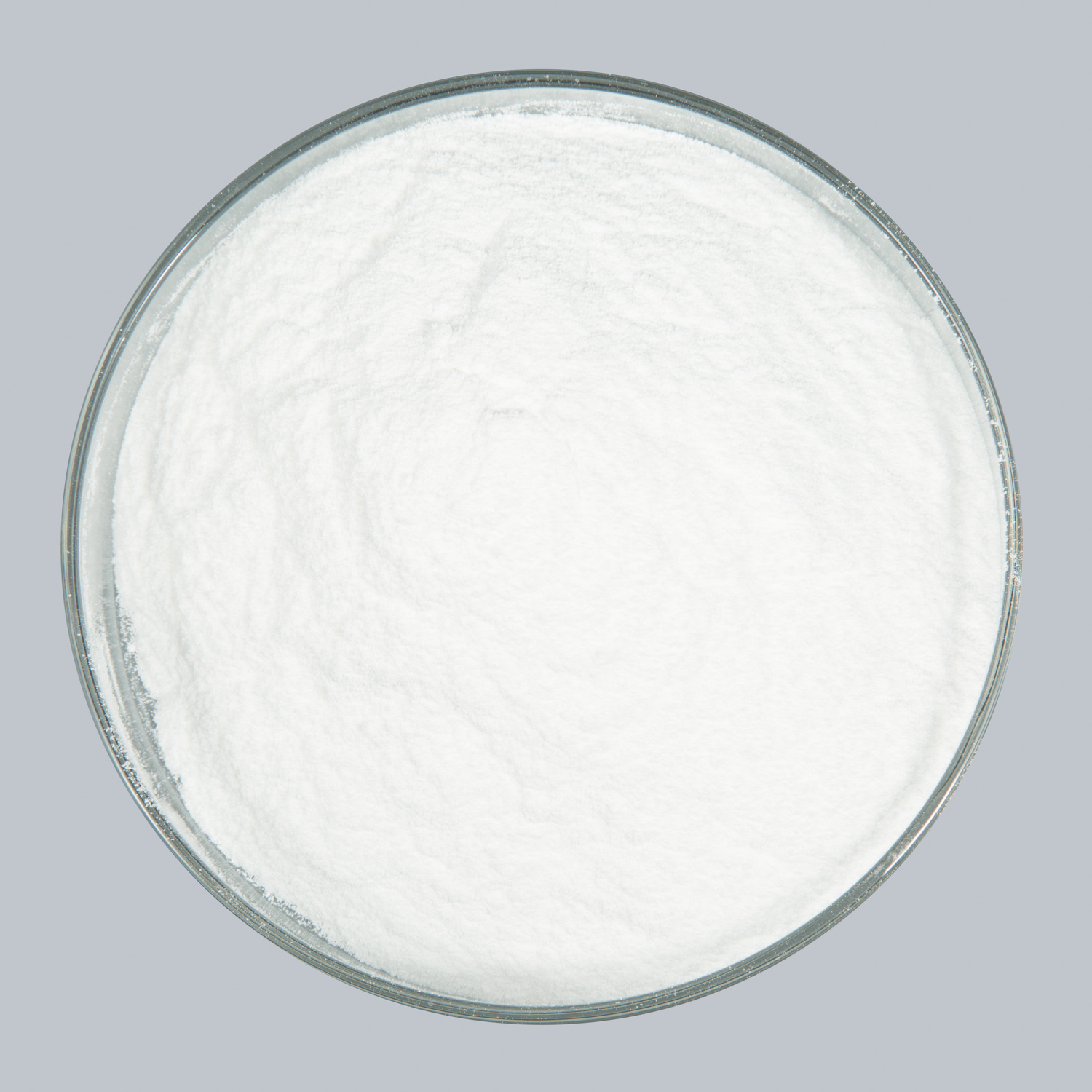
![8-Oxa-1,3-diazaspiro[4.5]decane-2,4-dione](https://eimg.pharmasources.com/image/product/20250403/60fa7223d5a34f24138486ceea0ffb15jpg)
![8,16-Diazadispiro[6.1.6.2]heptadecan-17-one](https://eimg.pharmasources.com/image/product/20250403/ca91cba8b87e53fc879f8d8764873a40jpg)
![6,8-Dioxo-5,7-diazaspiro[3.4]octane-2-carboxylic acid](https://eimg.pharmasources.com/image/product/20250403/02effeb5a7639bc84ff1f3add3c0c64fjpg)
