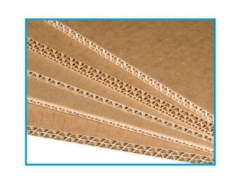
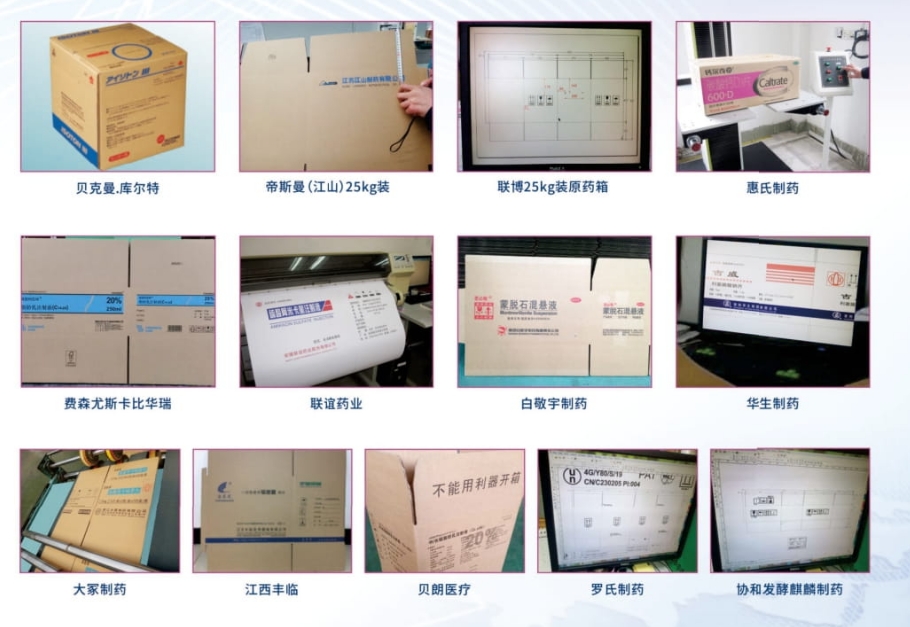
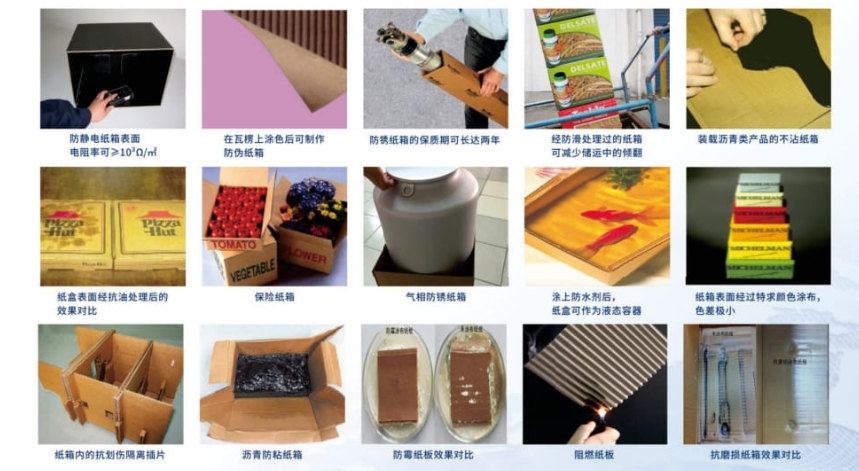
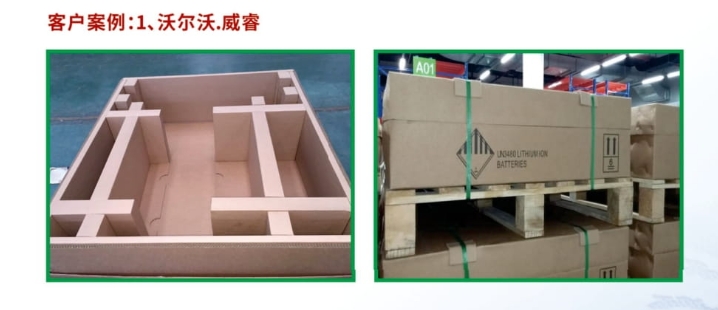
Product Description
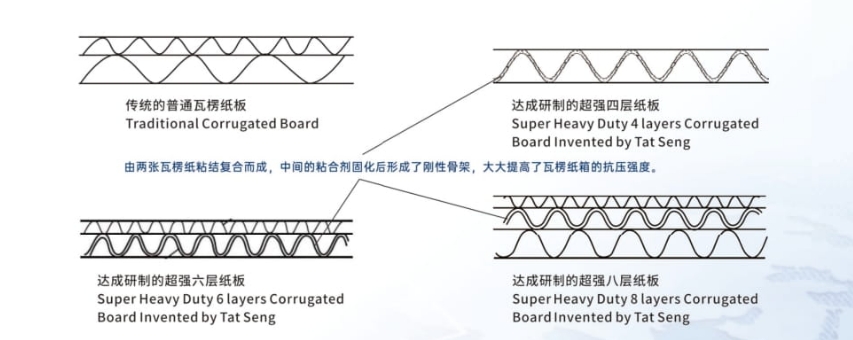
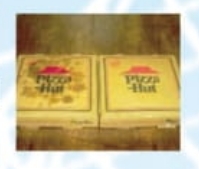
It can not only provide excellent oil-proof protection performance, but also ensure the technical performance indexes such as adhesive strength, edge crush strength and bursting strength of the carton.
AI Product Description
*The following content is generated by AI and is for reference only.
The oil-proof coated corrugated box is a specialized packaging solution designed to protect goods containing oils, greases, or fatty substances from compromising the structural integrity of standard cardboard. Unlike traditional corrugated containers, these boxes feature an internal polymer coating or wax treatment that creates a hydrophobic and oleophobic barrier. This unique characteristic makes them indispensable in industries such as food processing, automotive manufacturing, and chemical distribution, where products are prone to leakage or require direct contact with oily surfaces without degrading the packaging material.
In the food sector, these boxes are widely used for transporting fried foods, meat products, bakery items with high fat content, and frozen goods packaged in grease-resistant trays. In industrial applications, they serve as ideal containers for engine parts, machinery components lubricated with oil, and various chemical intermediates. The primary function extends beyond simple containment; it ensures that the box maintains its rigidity and load-bearing capacity even when exposed to moisture or liquid fats, preventing collapse during stacking or transit. Furthermore, the coating prevents oil stains from transferring onto pallets, other cargo, or handling equipment, maintaining hygiene and cleanliness throughout the supply chain.
When utilizing these containers, several precautions should be observed to ensure optimal performance. First, avoid exposing the boxes to extreme temperatures that might compromise the adhesive bonds or the coating layer, particularly in environments exceeding 60°C unless specifically rated for higher heat. Second, while the interior is resistant to oil, prolonged submersion in water may eventually affect the outer layers if the seal is not intact, so storage in dry conditions is recommended. Third, do not reuse single-use coated boxes for different product types, especially if cross-contamination between food grades and industrial chemicals is a concern. Proper ventilation is also crucial to prevent condensation buildup inside the package. Finally, recycling protocols must be followed carefully, as the coating can interfere with standard paper recycling streams; many facilities require separation before processing. By adhering to these guidelines, users can maximize the efficiency and safety provided by this advanced packaging technology.





 (All Rights Reserved)