Product Description
Electronic raw materials
AI Product Description
*The following content is generated by AI and is for reference only.
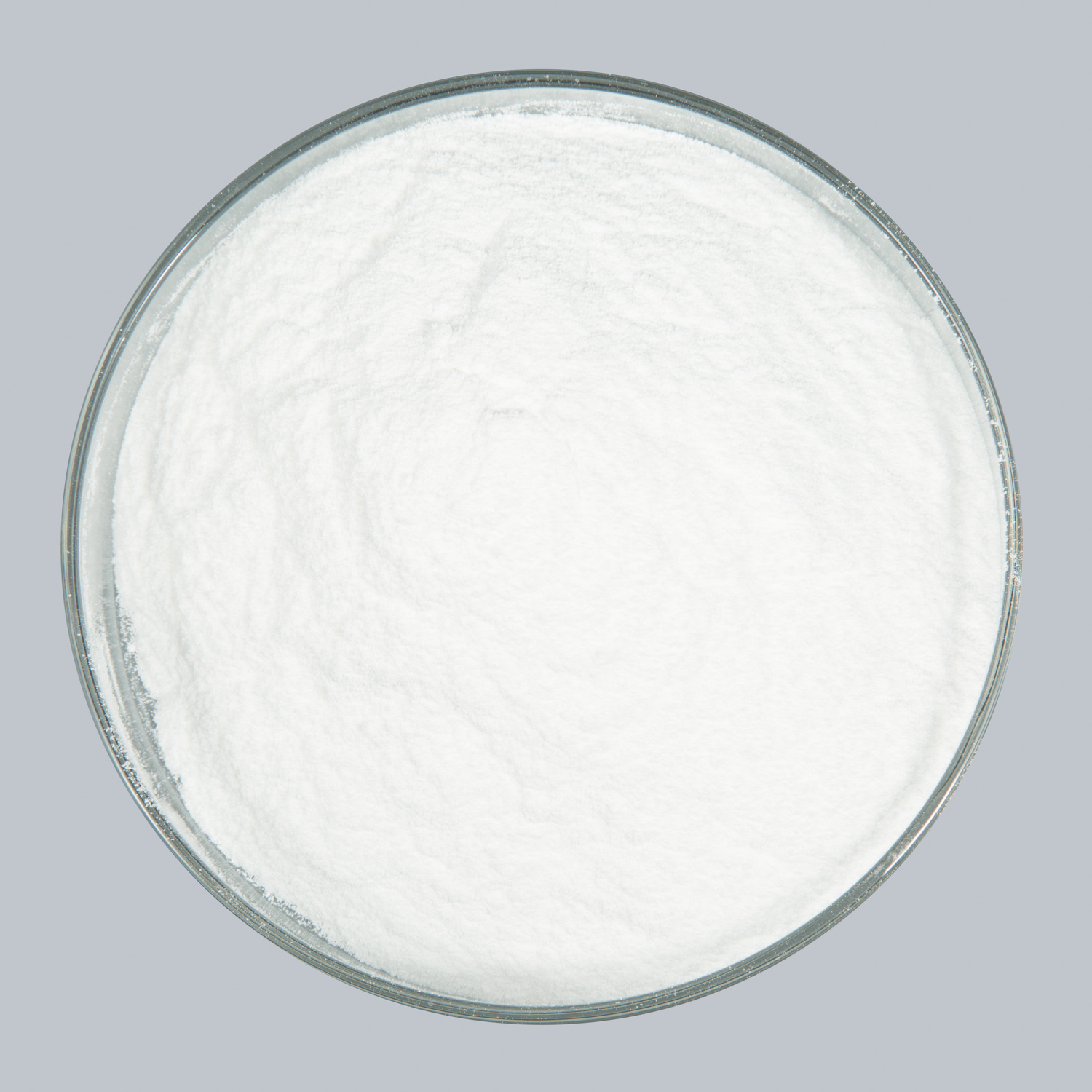
Iron(III) p-toluenesulfonate is a specialized organometallic reagent widely utilized in organic synthesis and catalytic applications. With the chemical formula C7H7FeO6S, this compound represents a soluble iron source derived from the coordination of ferric ions with p-toluenesulfonic acid anions. Its primary CAS Registry Number is 13458-20-9, though specific hydrate forms may vary slightly in molecular weight depending on water content. The substance typically appears as a reddish-brown or dark orange solid, characterized by high solubility in polar organic solvents such as dichloromethane, acetonitrile, and alcohols, while remaining insoluble in non-polar hydrocarbons.
The utility of Iron(III) p-toluenesulfonate stems largely from its role as a Lewis acid catalyst. It is frequently employed to promote electrophilic aromatic substitutions, including Friedel-Crafts alkylation and acylation reactions, offering a more manageable alternative to traditional corrosive acids like aluminum chloride. In polymer chemistry, it serves as an effective initiator for cationic ring-opening polymerization of cyclic ethers and lactones, enabling precise control over molecular weight distributions. Furthermore, recent research highlights its potential in oxidation reactions, where it facilitates the conversion of alcohols to carbonyl compounds using mild oxidants, often under green chemistry conditions that minimize hazardous waste generation.
Compared to other iron salts, this tosylate derivative offers superior stability and handling characteristics, reducing the risk of moisture sensitivity issues common with anhydrous ferric chloride. Its compatibility with various functional groups makes it ideal for complex molecule synthesis in pharmaceutical development and fine chemical manufacturing. Users must exercise standard safety precautions, as iron salts can be irritating to skin and eyes; appropriate personal protective equipment is essential during handling. Storage should be conducted in a cool, dry place away from incompatible bases and strong reducing agents to prevent decomposition. As the demand for efficient, metal-catalyzed processes grows, Iron(III) p-toluenesulfonate remains a valuable tool for chemists seeking cost-effective and versatile solutions in modern synthetic pathways.





 (All Rights Reserved)