Product Description
AI Product Description
*The following content is generated by AI and is for reference only.
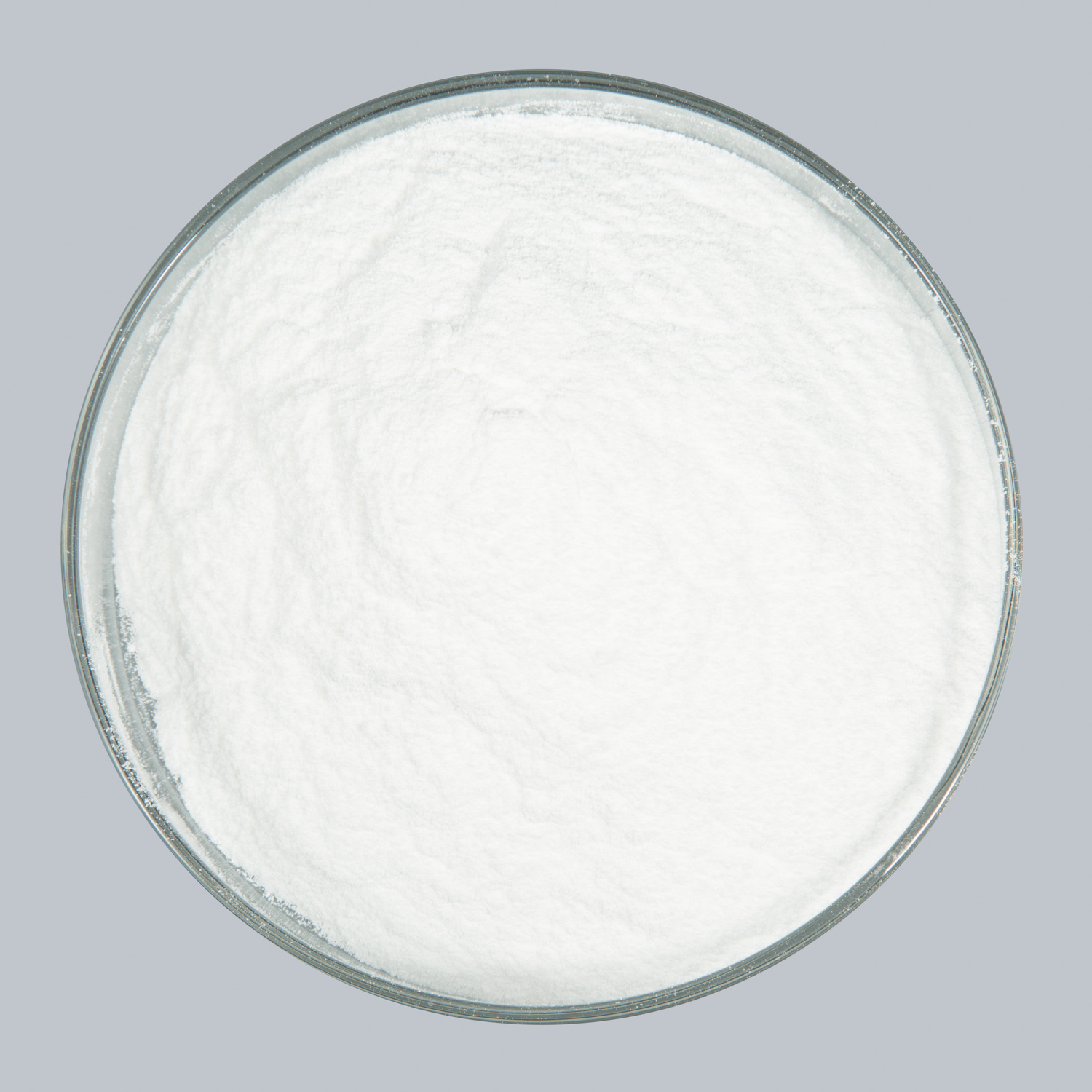
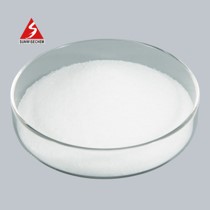
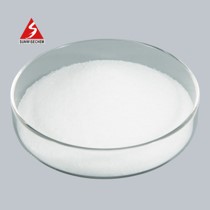
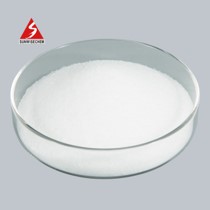
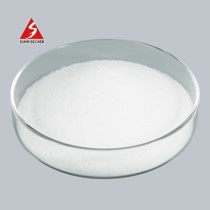
Glutaric anhydride, chemically known as pentanedioic anhydride, is a versatile cyclic organic compound widely utilized in industrial synthesis and pharmaceutical research. Its molecular formula is C5H6O3, reflecting its structure as the dehydrated dimer of glutaric acid. The substance is identified by the CAS Registry Number 108-30-5. Physically, it typically appears as white to off-white crystalline flakes or powder with a distinct odor. It exhibits moderate solubility in water, hydrolyzing slowly to form glutaric acid, while dissolving readily in common organic solvents such as ethanol, ether, and acetone.
The primary application of glutaric anhydride lies in its role as a crucial building block for polymer chemistry. It serves as a key monomer in the production of alkyd resins, polyesters, and specialized engineering plastics. These materials are valued for their durability, chemical resistance, and thermal stability, making them essential components in coatings, adhesives, and lubricants used across automotive, construction, and electronics industries. Furthermore, due to its reactive anhydride group, it acts as an effective acylating agent in organic synthesis. In the pharmaceutical sector, it is employed to synthesize various active pharmaceutical ingredients (APIs) and intermediates, including certain antibiotics and anticonvulsant drugs.
Beyond medicine, glutaric anhydride finds use in the fragrance industry for creating specific ester derivatives that contribute unique olfactory profiles. Its ability to introduce five-carbon chains into complex molecules makes it indispensable for fine chemical manufacturing. Safety protocols during handling are critical; like many anhydrides, it can cause skin and eye irritation upon contact and may release acidic vapors when exposed to moisture. Proper ventilation and personal protective equipment are mandatory to ensure safe operation. Overall, glutaric anhydride remains a fundamental reagent bridging basic petrochemical feedstocks with high-value finished goods, driving innovation in material science and medicinal chemistry globally. Its consistent availability and reliable reactivity ensure its continued prominence in diverse manufacturing sectors worldwide.




 (All Rights Reserved)
![5,6,7,7a-Tetrahydro thieno[3,2-c]pyridin-2(4H)-one Hydrochloride](https://eimg.pharmasources.com/img_Cphi_en/Product/2016_02/Mimg_1602021058457992.jpg)