98.0-101.0%; used as pharma intermediate
*The following content is generated by AI and is for reference only.
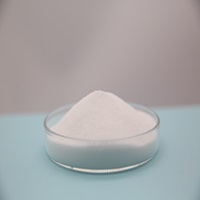
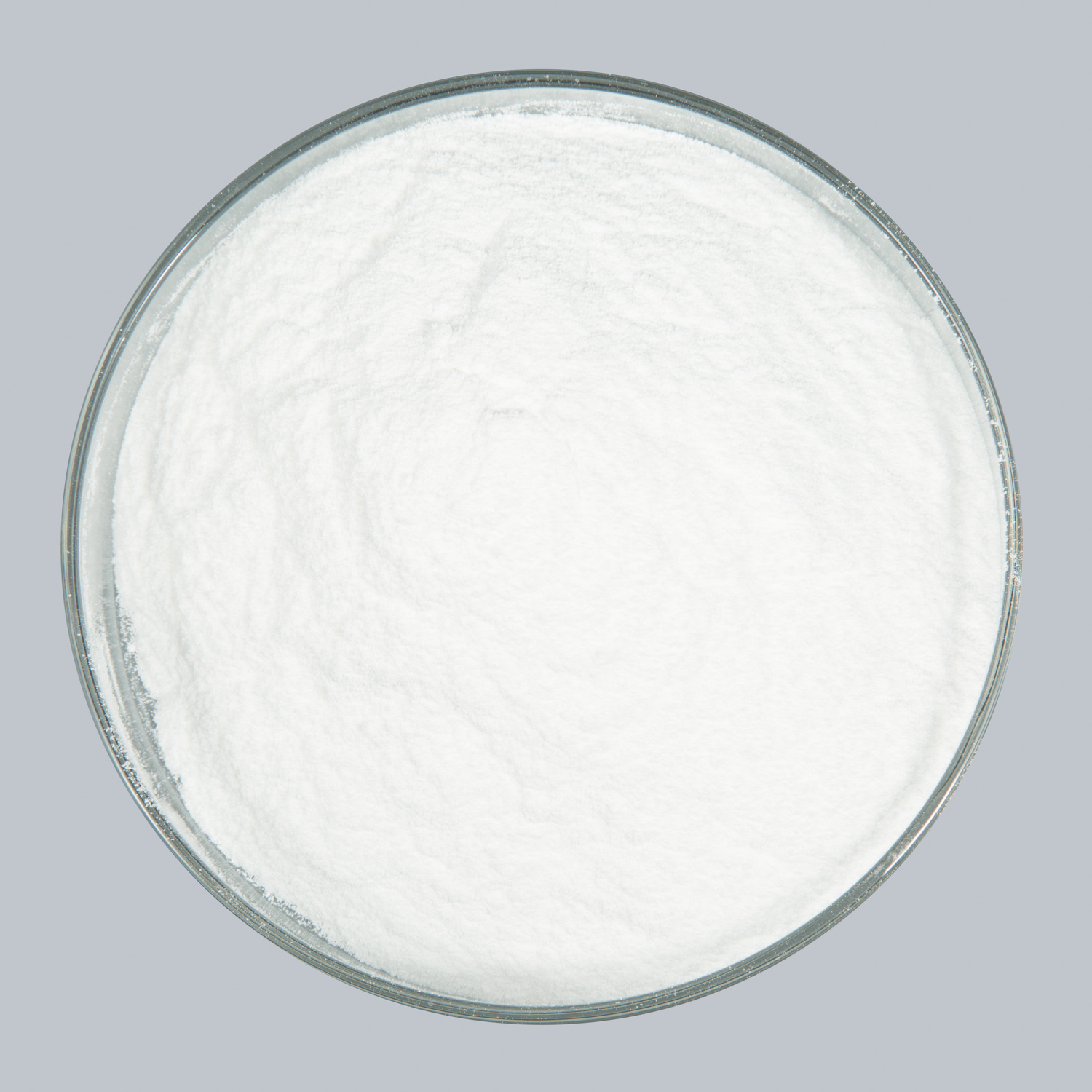
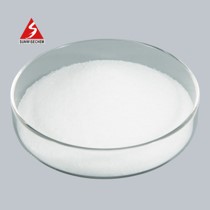
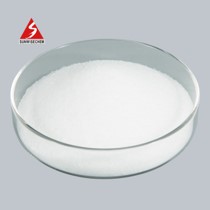
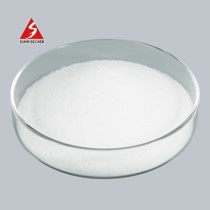
D-Pyroglutamic acid, chemically known as (S)-5-oxoproline or D-pyroglutamate, is a cyclic derivative of the amino acid glutamic acid. With the molecular formula C₅H₇NO₃ and a molecular weight of approximately 129.11 g/mol, this compound features a five-membered lactam ring structure formed by the condensation of the gamma-carboxyl group with the alpha-amino group. Its unique CAS registry number is 673-48-3, which distinguishes it from its L-isomer counterpart. This white to off-white crystalline powder is highly soluble in water and polar organic solvents but exhibits limited solubility in non-polar media.
In the pharmaceutical industry, D-Pyroglutamic acid serves as a critical chiral building block for the synthesis of various bioactive compounds. It is particularly valuable in the production of specific peptide derivatives and heterocyclic drugs where stereochemical purity is paramount. Unlike the more common L-form found naturally in proteins, the D-isomer possesses distinct biological properties that make it useful in developing novel therapeutic agents, including potential anti-inflammatory and neuroprotective candidates. Furthermore, it acts as an intermediate in the synthesis of certain antibiotics and enzyme inhibitors.
Beyond medicine, this compound finds applications in the field of agrochemicals, where it contributes to the development of specialized herbicides and plant growth regulators. In analytical chemistry, it is frequently employed as a standard reference material for calibrating high-performance liquid chromatography (HPLC) systems to ensure accurate separation and quantification of amino acids and their derivatives. The substance also plays a role in research regarding metabolic pathways, specifically within the gamma-glutamyl cycle, which is essential for glutathione metabolism and cellular antioxidant defense mechanisms. Due to its stability and well-defined chemical characteristics, D-Pyroglutamic acid remains a versatile reagent for both academic research and industrial manufacturing processes requiring precise stereochemistry. Its availability in high purity grades ensures reliability across diverse scientific and commercial applications.




 (All Rights Reserved)
![5,6,7,7a-Tetrahydro thieno[3,2-c]pyridin-2(4H)-one Hydrochloride](https://eimg.pharmasources.com/img_Cphi_en/Product/2016_02/Mimg_1602021058457992.jpg)