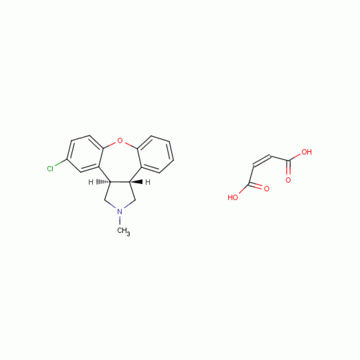
High pruity of Asenapine maleate
*The following content is generated by AI and is for reference only.
Asenapine maleate is a second-generation atypical antipsychotic medication widely utilized in the clinical management of psychiatric disorders. Its chemical structure is defined by the molecular formula C19H20FN3O4, with the specific CAS registry number 67885-17-2. This compound represents the maleate salt form of asenapine, designed to enhance stability and solubility for pharmaceutical formulation. The drug functions primarily as a potent antagonist at serotonin (5-HT) and dopamine receptors, specifically targeting subtypes such as 5-HT2A, 5-HT2C, and D2. By modulating these neurotransmitter pathways, asenapine effectively alleviates symptoms associated with acute manic or mixed episodes in bipolar I disorder and schizophrenia in adult patients.
The therapeutic efficacy of asenapine maleate distinguishes itself through its unique pharmacokinetic profile. Unlike many oral antipsychotics that require extensive first-pass metabolism in the liver, this medication is typically administered via the sublingual route. This method allows the drug to bypass the gastrointestinal tract and hepatic system, entering the systemic circulation directly through the mucosal tissues. Consequently, it achieves rapid onset of action, which is critical during acute psychotic or manic exacerbations where swift symptom control is necessary. Clinical studies have demonstrated its ability to significantly reduce positive symptoms like hallucinations and delusions, as well as negative symptoms such as social withdrawal and emotional blunting.
Safety profiles indicate common side effects including somnolence, dizziness, and extrapyramidal symptoms, though the risk of metabolic syndrome appears lower compared to some other atypical agents. It is contraindicated in patients with known hypersensitivity to the drug or its components. As a versatile treatment option, asenapine maleate offers clinicians an effective tool for stabilizing mood and controlling psychosis, contributing significantly to improved patient outcomes and quality of life in chronic mental health conditions. Its development marks a significant advancement in psychopharmacology, providing a targeted approach to complex neurological disorders.





 (All Rights Reserved)




![5,6,7,7a-Tetrahydro thieno[3,2-c]pyridin-2(4H)-one Hydrochloride](https://eimg.pharmasources.com/img_Cphi_en/Product/2016_02/Mimg_1602021058457992.jpg)