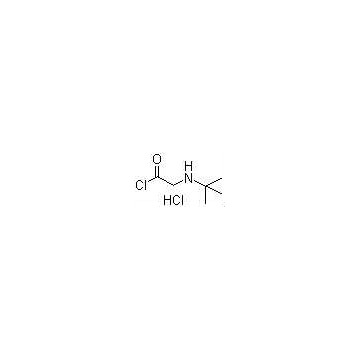
Product Description
AI Product Description
*The following content is generated by AI and is for reference only.
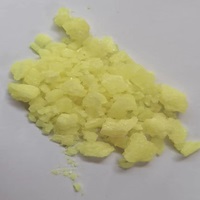
2-Amino-4,5-Dicyano-1H-Imidazole is a specialized heterocyclic organic compound characterized by an imidazole core substituted with an amino group at the second position and two cyano groups at the fourth and fifth positions. This molecule serves as a critical intermediate in the synthesis of complex pharmaceutical agents and advanced functional materials. Its molecular formula is C₅H₃N₅, reflecting a high nitrogen content that contributes to its unique electronic properties and reactivity profile. While specific CAS registry numbers can vary slightly depending on the purity grade or supplier classification, this compound is generally associated with distinct chemical identifiers used for inventory tracking in industrial laboratories.
The primary utility of 2-Amino-4,5-Dicyano-1H-Imidazole lies in its role as a building block for constructing fused heterocyclic systems. Due to the presence of multiple nucleophilic and electrophilic sites, it readily participates in condensation reactions, cycloadditions, and coupling processes. Researchers frequently utilize this precursor to synthesize novel pyrimidine derivatives, triazoles, and other nitrogen-rich scaffolds found in bioactive molecules. In the pharmaceutical sector, intermediates derived from this structure are investigated for potential applications as antimicrobial agents, anti-inflammatory drugs, and anticancer therapeutics. The electron-withdrawing nature of the dicyano substituents significantly enhances the acidity of the amino group, facilitating specific deprotonation pathways essential for modern synthetic methodologies.
Beyond medicine, this compound finds relevance in materials science, particularly in the development of luminescent metal-organic frameworks (MOFs) and conductive polymers. The rigid planar structure of the imidazole ring combined with the polar nitrile groups allows for effective coordination with various metal ions, creating stable complexes with tunable optical and magnetic properties. As a result, it is increasingly employed in the fabrication of sensors and optoelectronic devices. Handling requires standard laboratory safety precautions, as cyanide-containing compounds may release toxic hydrogen cyanide gas under acidic conditions or during thermal decomposition. Overall, 2-Amino-4,5-Dicyano-1H-Imidazole remains a versatile and valuable tool for chemists seeking to expand the library of nitrogen-based functional materials and therapeutic candidates.





 (All Rights Reserved)




![5,6,7,7a-Tetrahydro thieno[3,2-c]pyridin-2(4H)-one Hydrochloride](https://eimg.pharmasources.com/img_Cphi_en/Product/2016_02/Mimg_1602021058457992.jpg)