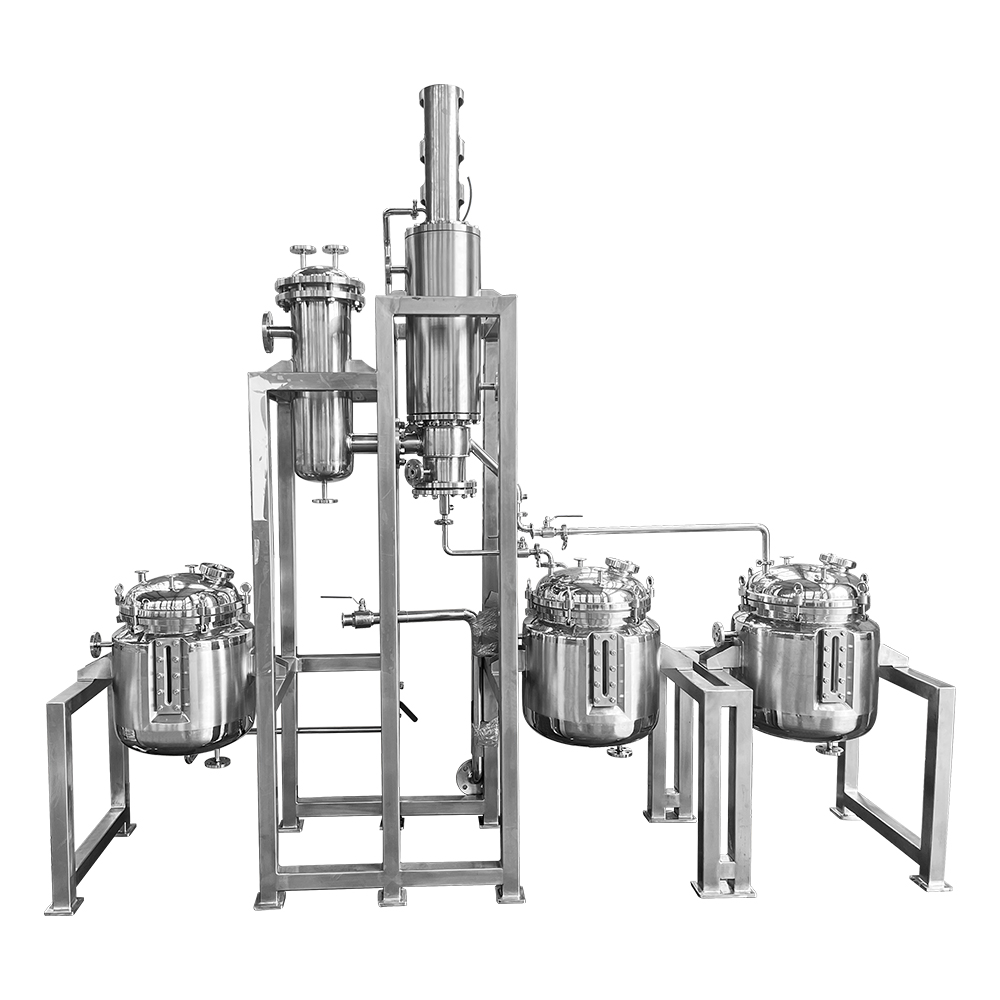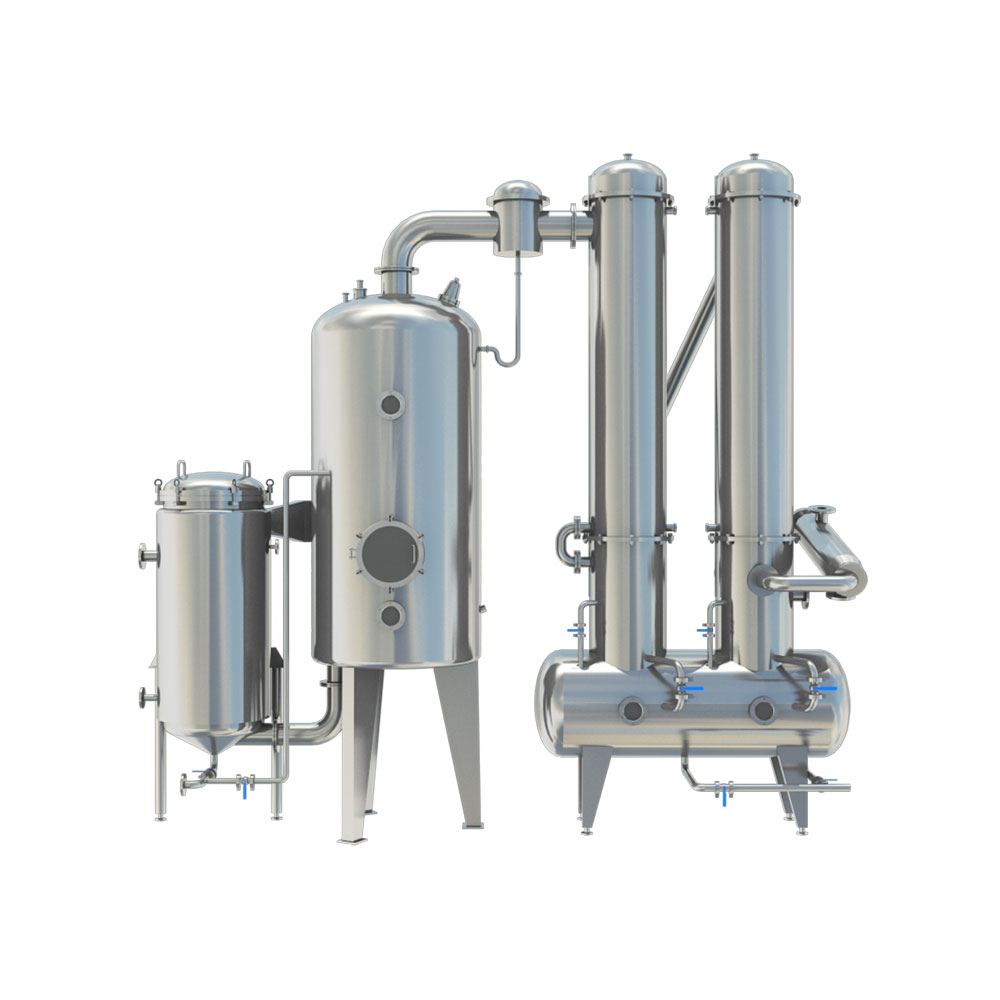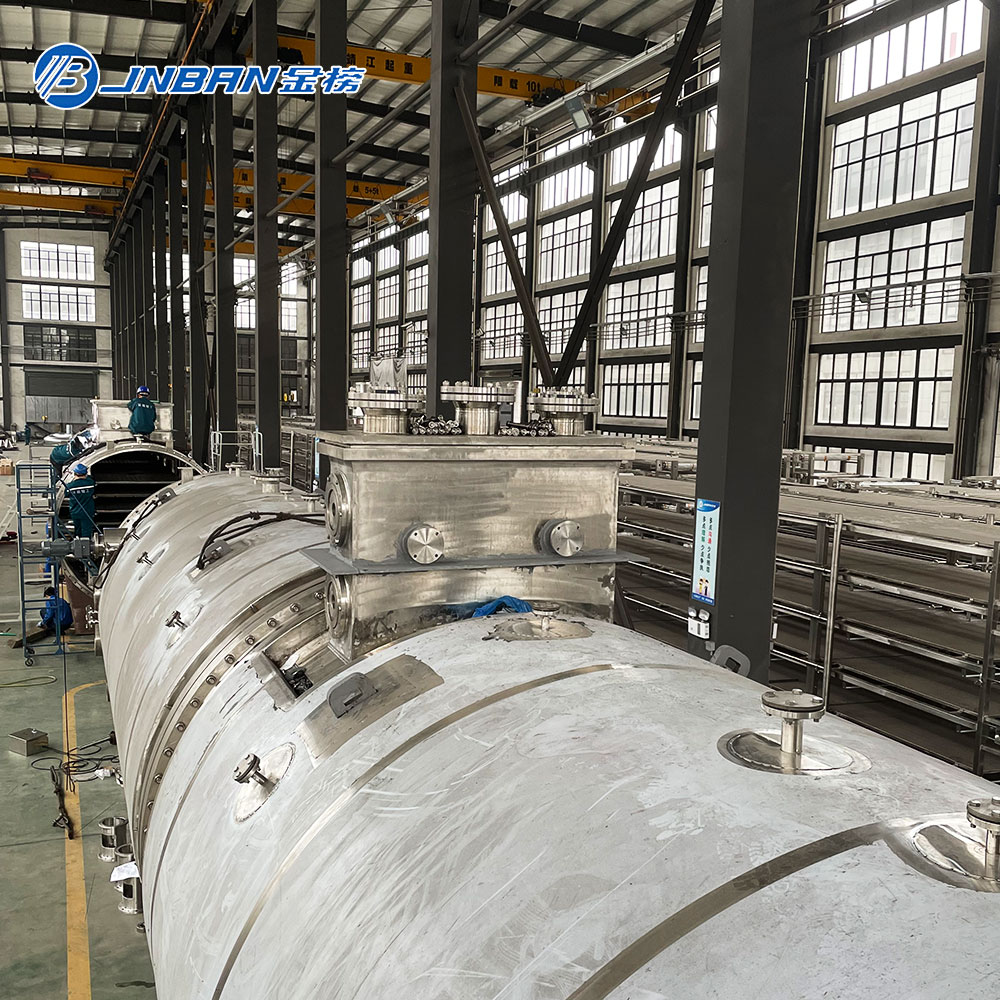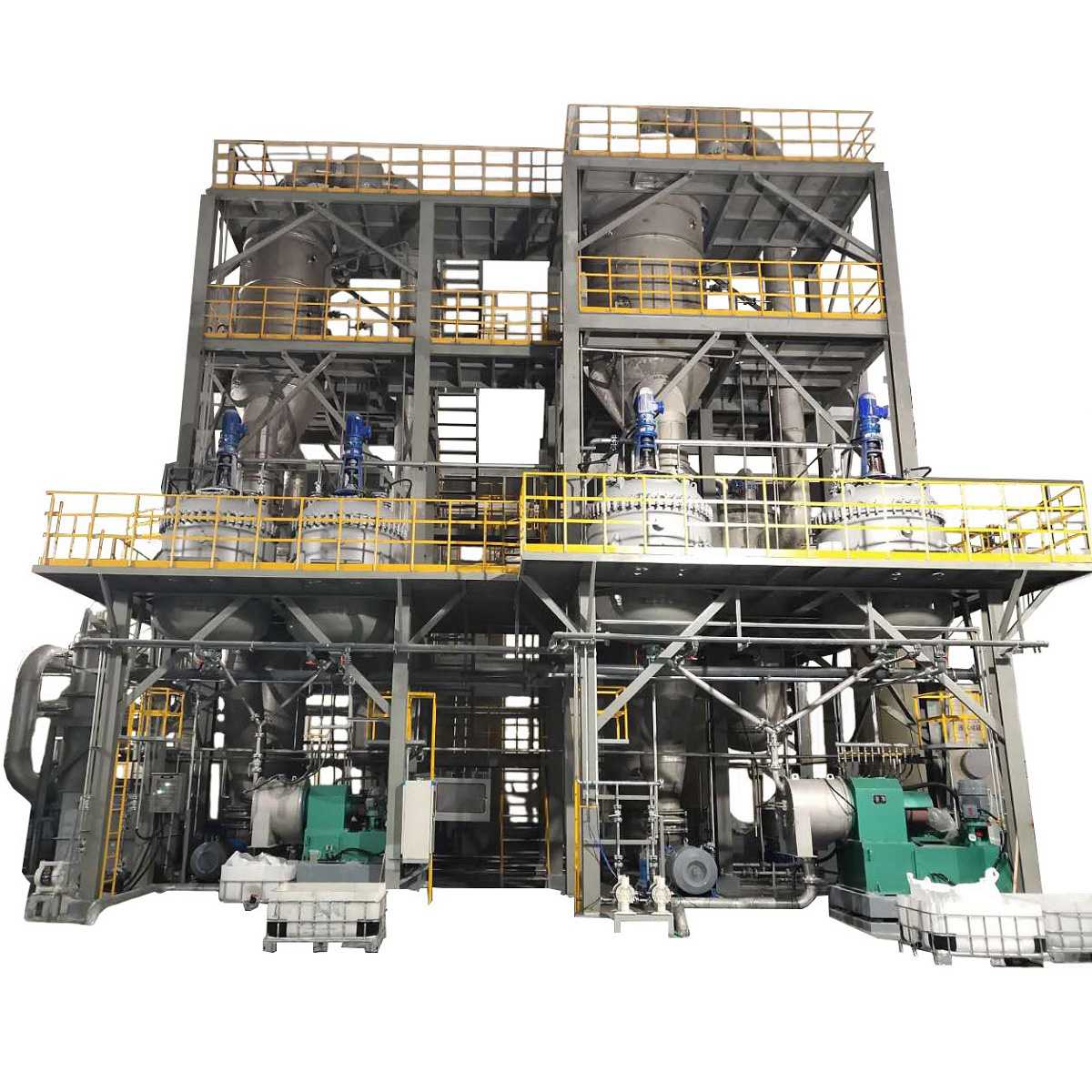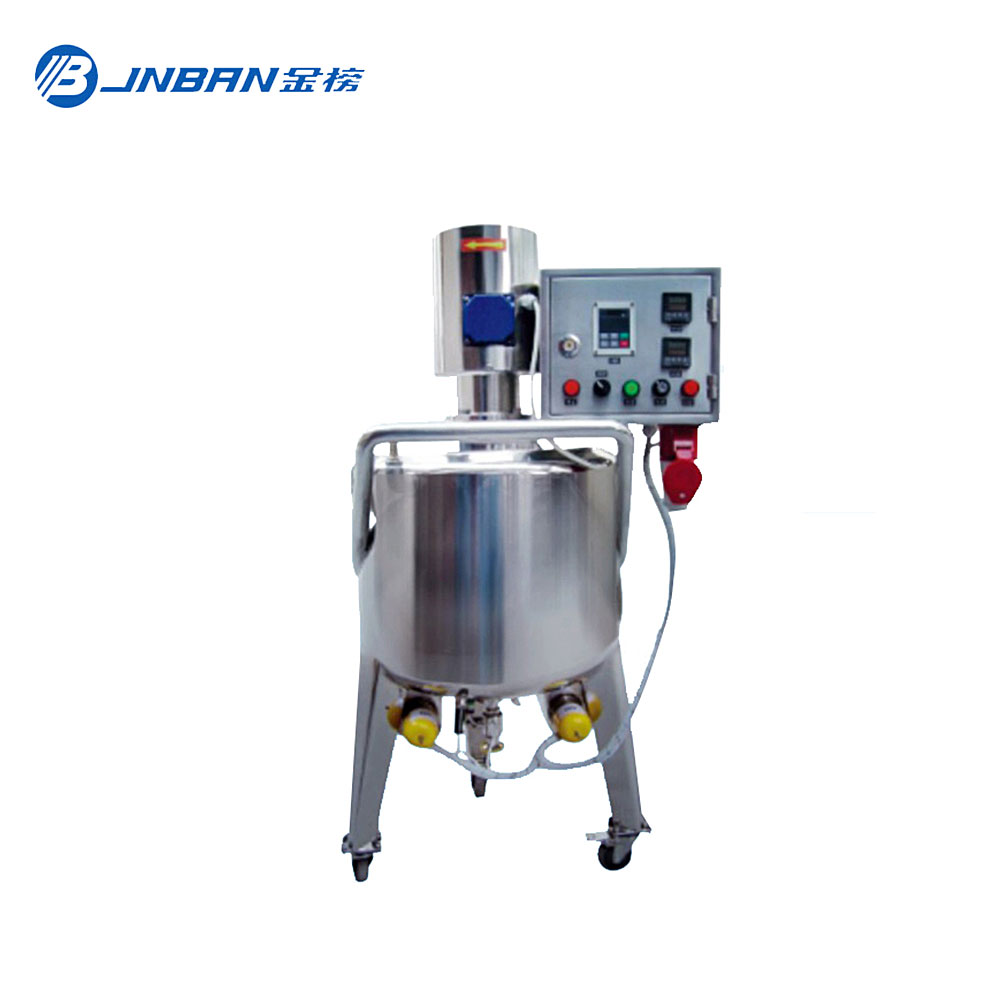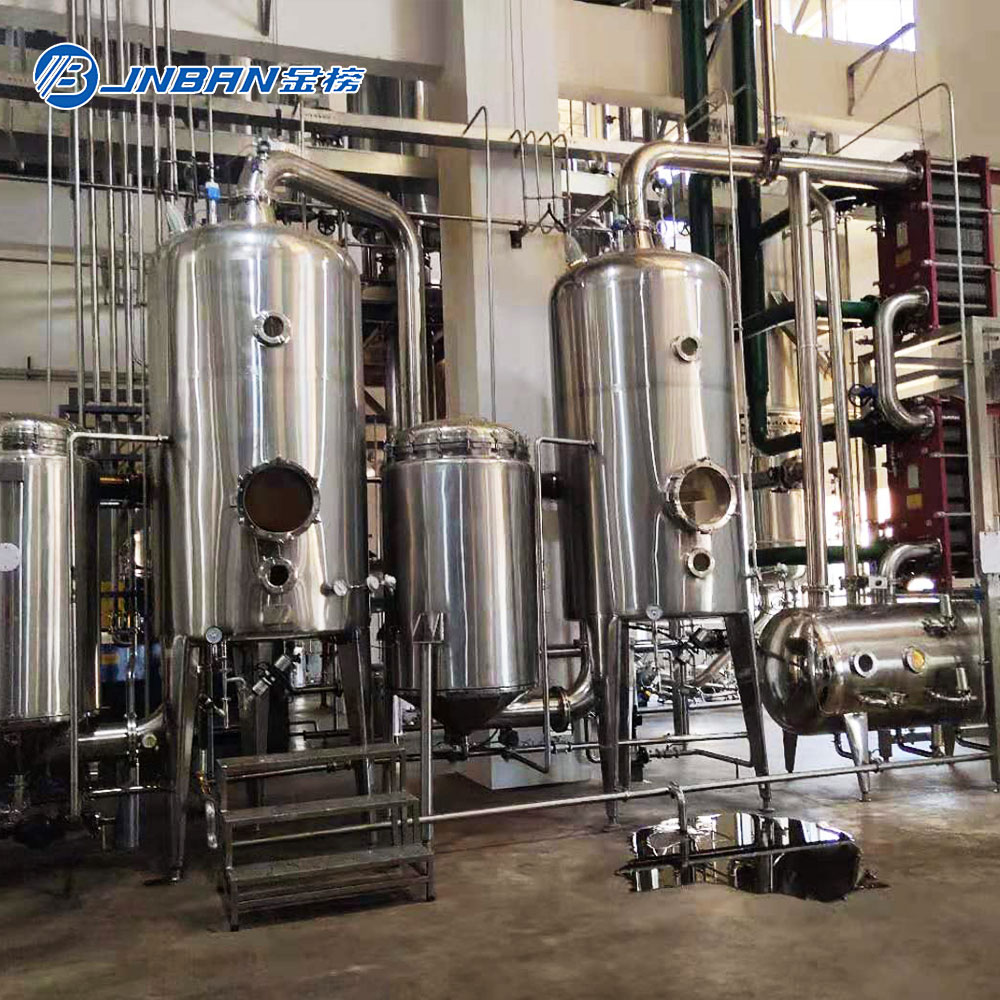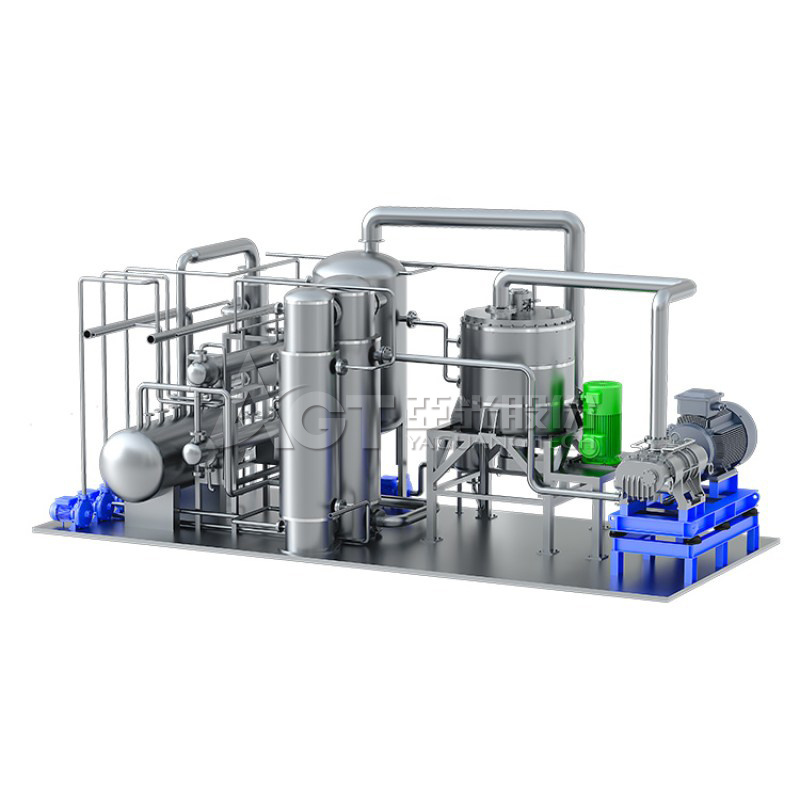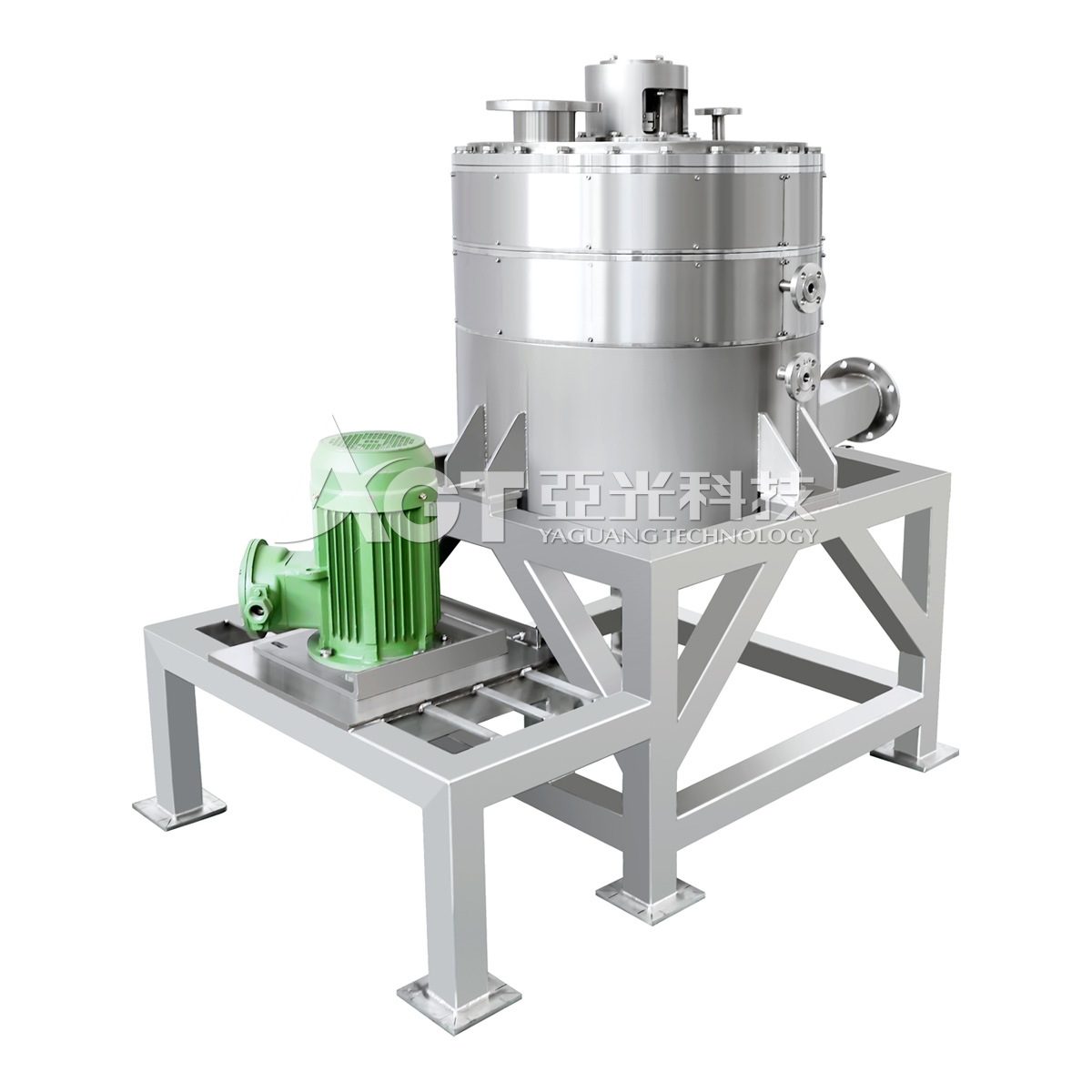

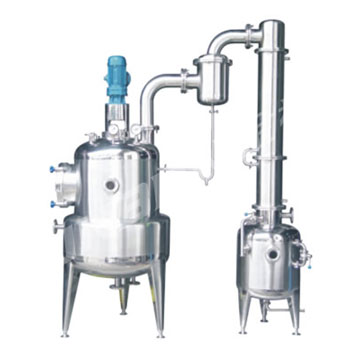
Alcohol recycling:Big capacity of recycling;vacuum operation improves the techniques flow of the equipment
*The following content is generated by AI and is for reference only.
The device described is a specialized vacuum pressure-reduced concentration system, widely utilized in laboratories and industrial settings for the efficient evaporation of solvents from samples. Its primary function is to gently remove volatile liquids under reduced pressure, thereby lowering the boiling point of the solvent. This process significantly accelerates evaporation while preventing thermal degradation of heat-sensitive compounds such as proteins, enzymes, or pharmaceutical intermediates. Common applications include sample preparation in analytical chemistry, drug discovery, food processing, and environmental analysis where concentrating trace analytes without altering their chemical structure is critical.
Operating this equipment requires strict adherence to safety protocols to ensure both personnel protection and instrument longevity. Users must always verify that all glassware components are free from cracks or defects before installation, as sudden implosion under vacuum poses a severe injury risk. It is essential to connect the system to a stable vacuum source with appropriate filtration to prevent solvent vapors from damaging the pump oil. Furthermore, the cooling water supply must be maintained at a consistent temperature to maximize condensation efficiency; failure to do so may result in solvent loss into the atmosphere or pump contamination.
During operation, users should avoid overfilling the collection flask to prevent bumping or backflow of liquid into the vacuum line. The system should never be operated without proper ventilation, especially when handling toxic or flammable solvents, necessitating connection to an exhaust hood. Regular maintenance involves checking seals and O-rings for wear, cleaning condensers to remove residue, and ensuring the drain valve functions correctly. After use, the vacuum should be slowly released using a controlled venting mechanism rather than abrupt exposure to atmospheric pressure, which could cause sample spillage. Proper storage in a dry environment and routine calibration of pressure gauges are also recommended to maintain optimal performance and accuracy over time.





 (All Rights Reserved)