Product Description
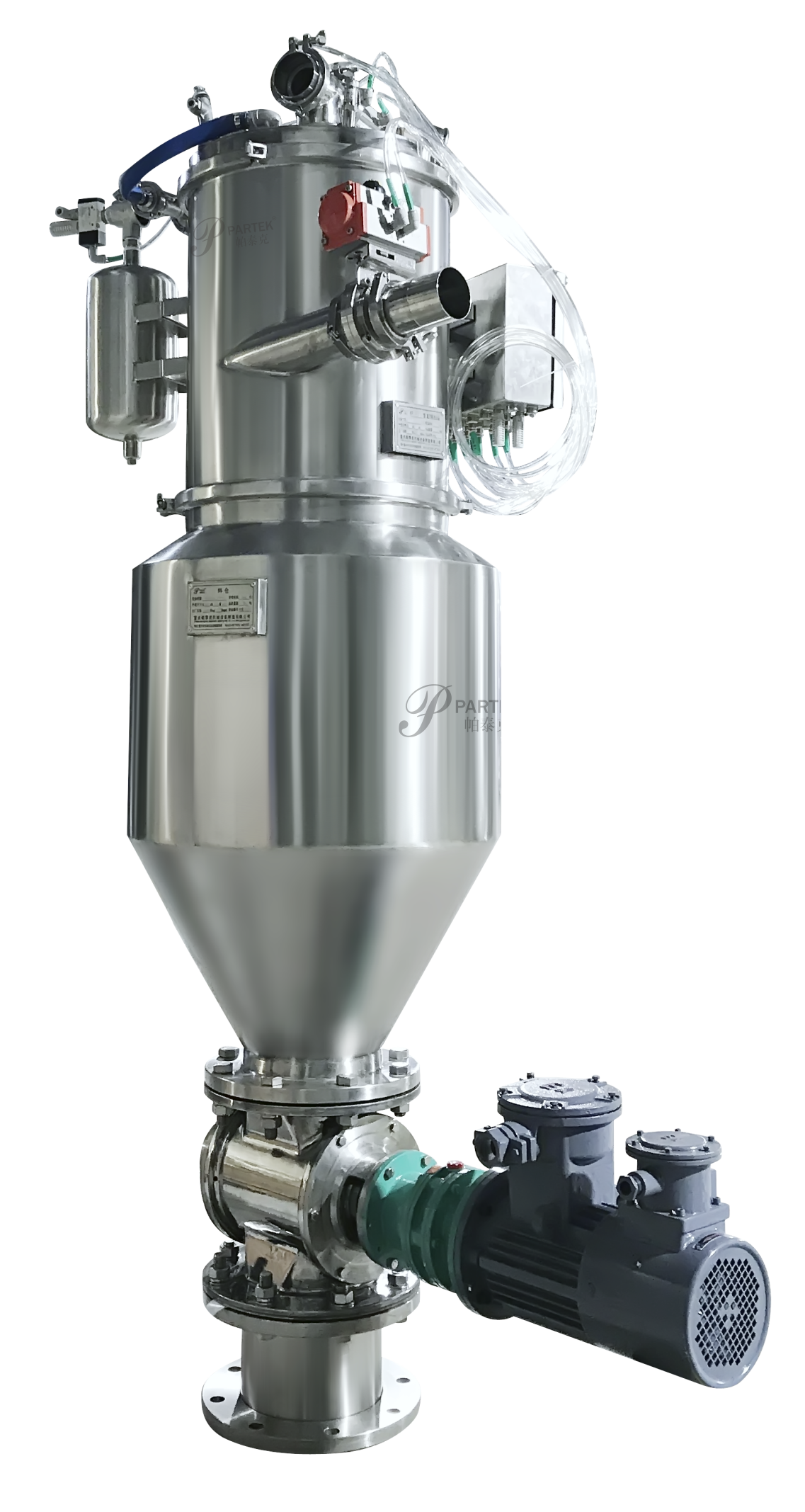
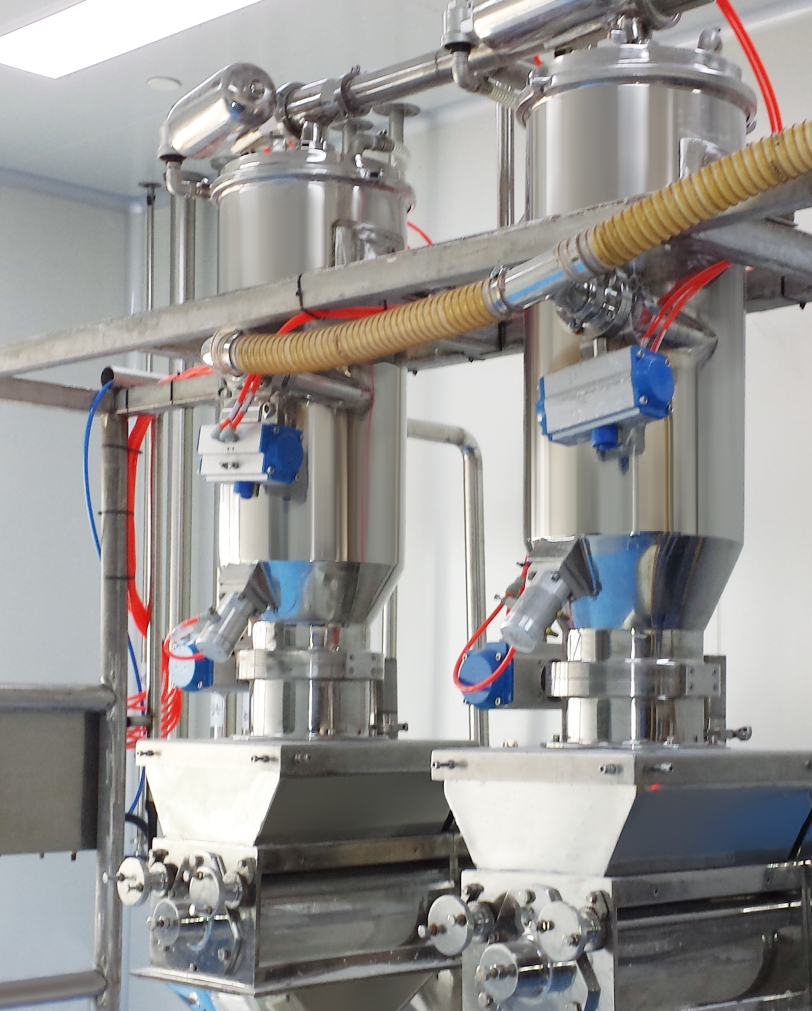
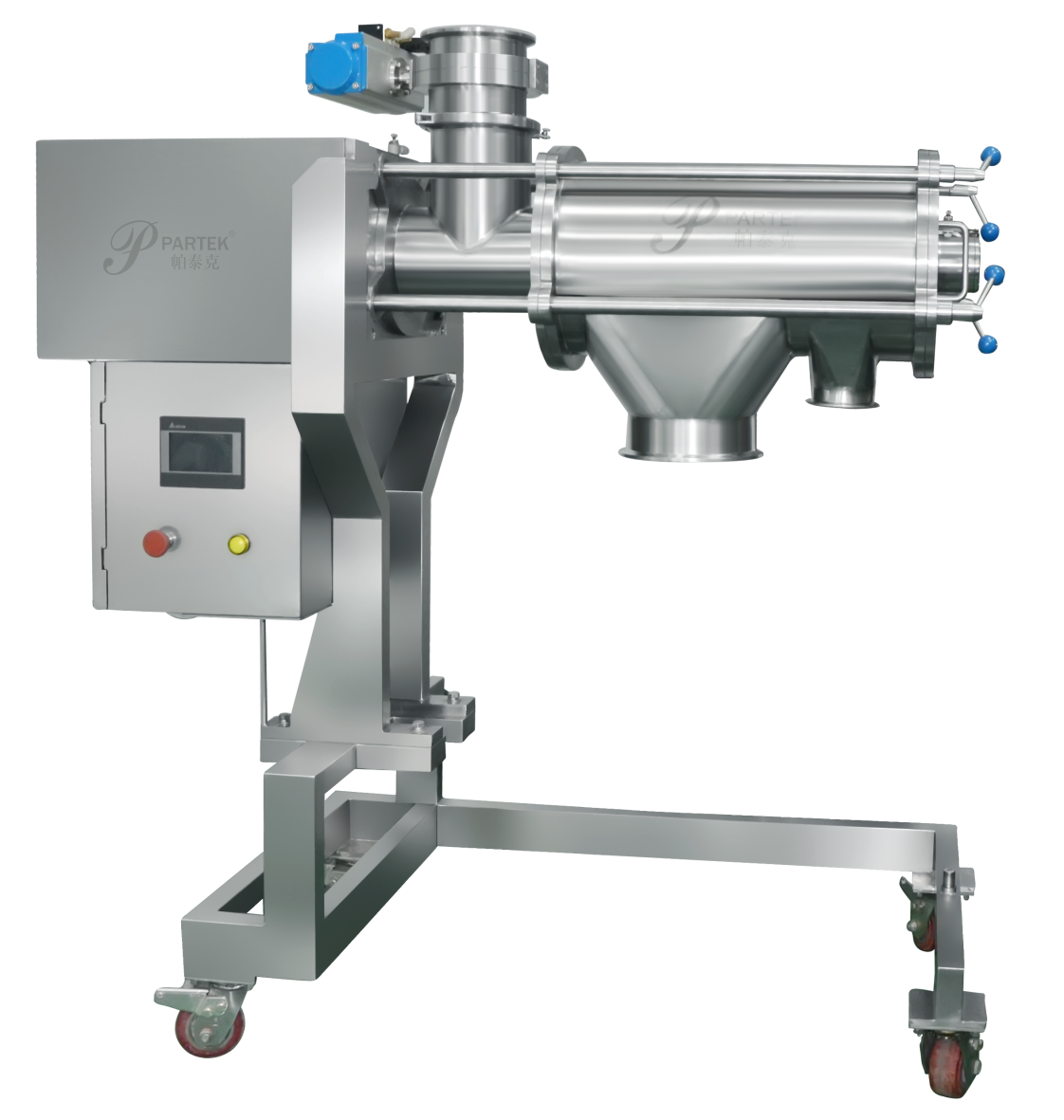
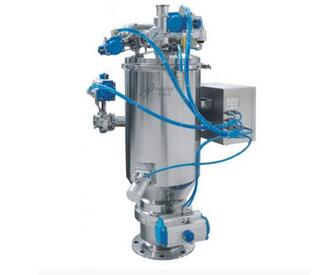
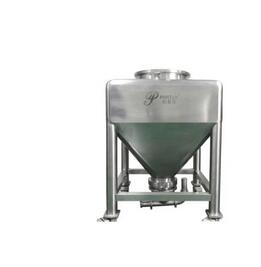
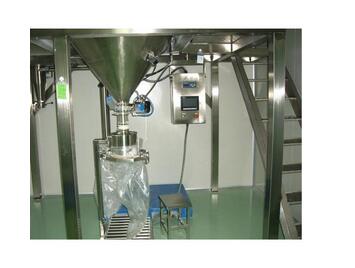
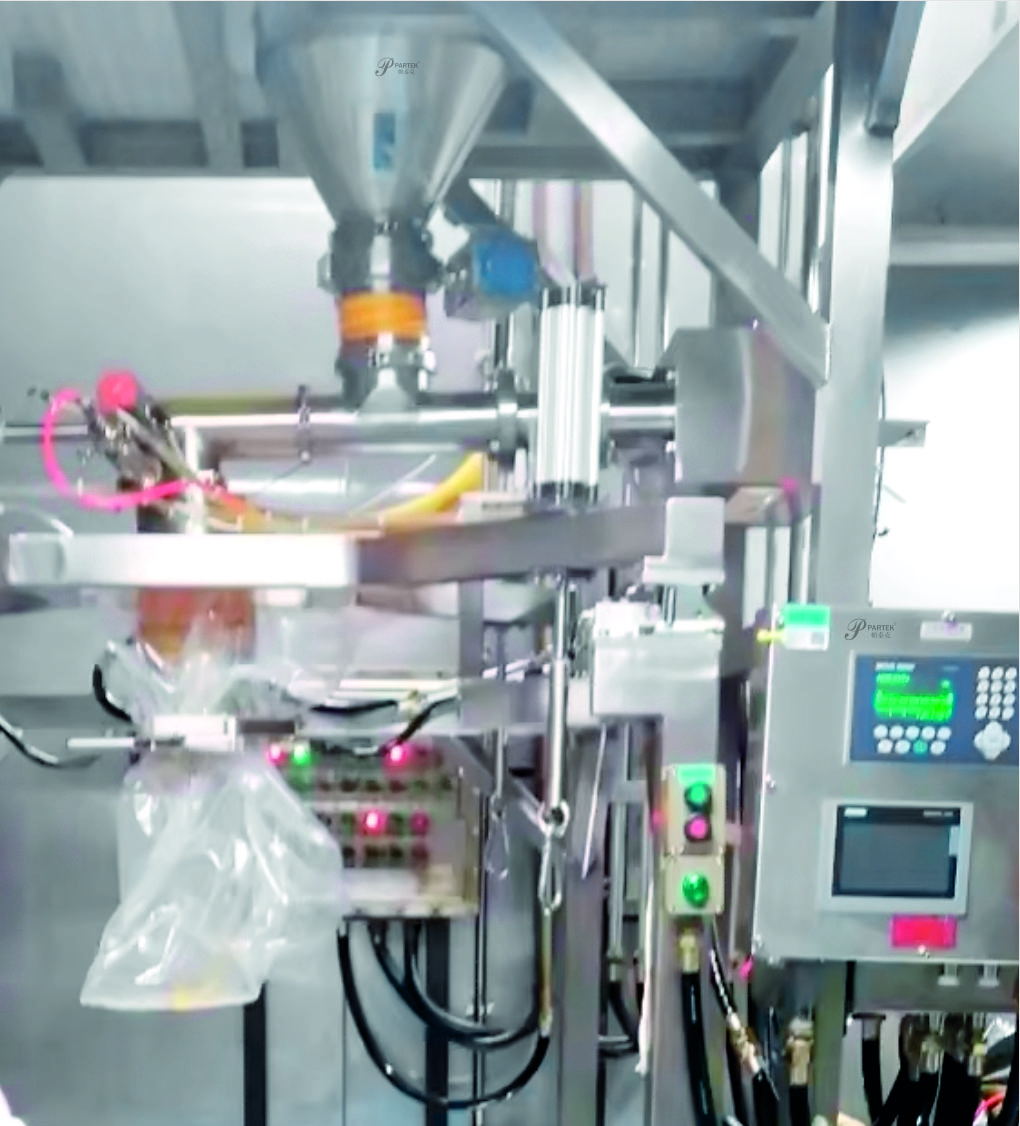
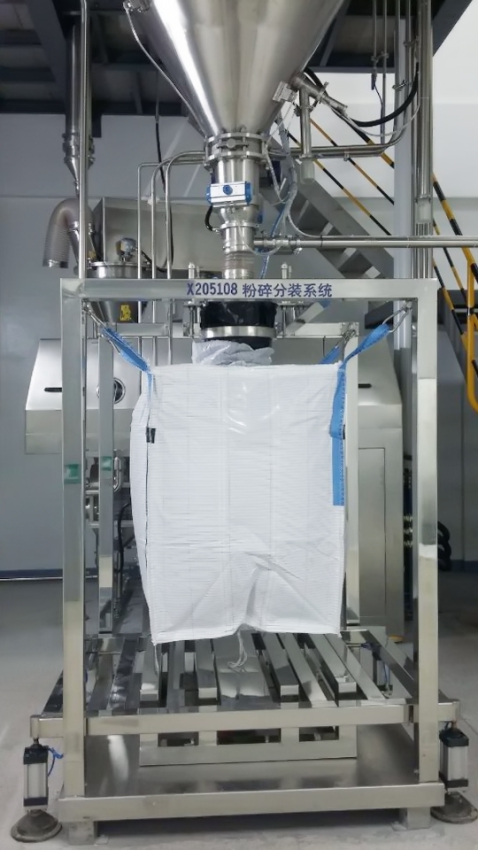
The large bag filling equipment is a professional industrial equipment used for on-demand filling of bulk materials(such as powder,granules etc.)into large-capacity packaging bags(typically 150kg to 1000kg)
AI Product Description
*The following content is generated by AI and is for reference only.
The product described is a versatile industrial container designed for the efficient handling, storage, and transportation of bulk dry materials. Commonly referred to as a flexible intermediate bulk container (FIBC), it serves as a critical component in supply chains across industries such as agriculture, construction, chemicals, and food processing. These containers typically hold between 500 to 2,000 kilograms of loose goods like grains, sand, plastic pellets, or mineral powders, offering a cost-effective alternative to rigid drums or traditional sacks.
Constructed from durable woven polypropylene fabric, these bags provide exceptional tensile strength while remaining lightweight and foldable when empty. Their design facilitates easy filling via top openings and rapid discharge through bottom spouts, often equipped with lifting loops that allow for safe handling by cranes or forklifts. The flexibility of the material ensures optimal space utilization during shipping and storage, significantly reducing logistics costs compared to rigid packaging solutions. Furthermore, many variants feature liners or specialized coatings to protect contents from moisture, contamination, or static electricity, making them suitable for sensitive products.
When utilizing this equipment, several safety and operational precautions are essential. First, always verify the Safe Working Load (SWL) rating before loading to prevent structural failure under heavy loads. Ensure that lifting points are properly engaged and that the load is balanced to avoid tipping hazards during transport. For flammable or explosive environments, use anti-static or conductive versions specifically tested to dissipate electrical charges generated during filling and emptying. Additionally, inspect each bag for signs of wear, tears, or UV degradation prior to use, as damaged units pose significant risks. Avoid overfilling beyond the designated capacity, which can compromise seam integrity. Finally, ensure proper disposal or recycling of used containers in accordance with local environmental regulations, as improper abandonment contributes to industrial waste. By adhering to these guidelines, users can maximize efficiency, ensure workplace safety, and maintain product quality throughout the distribution process.



 (All Rights Reserved)