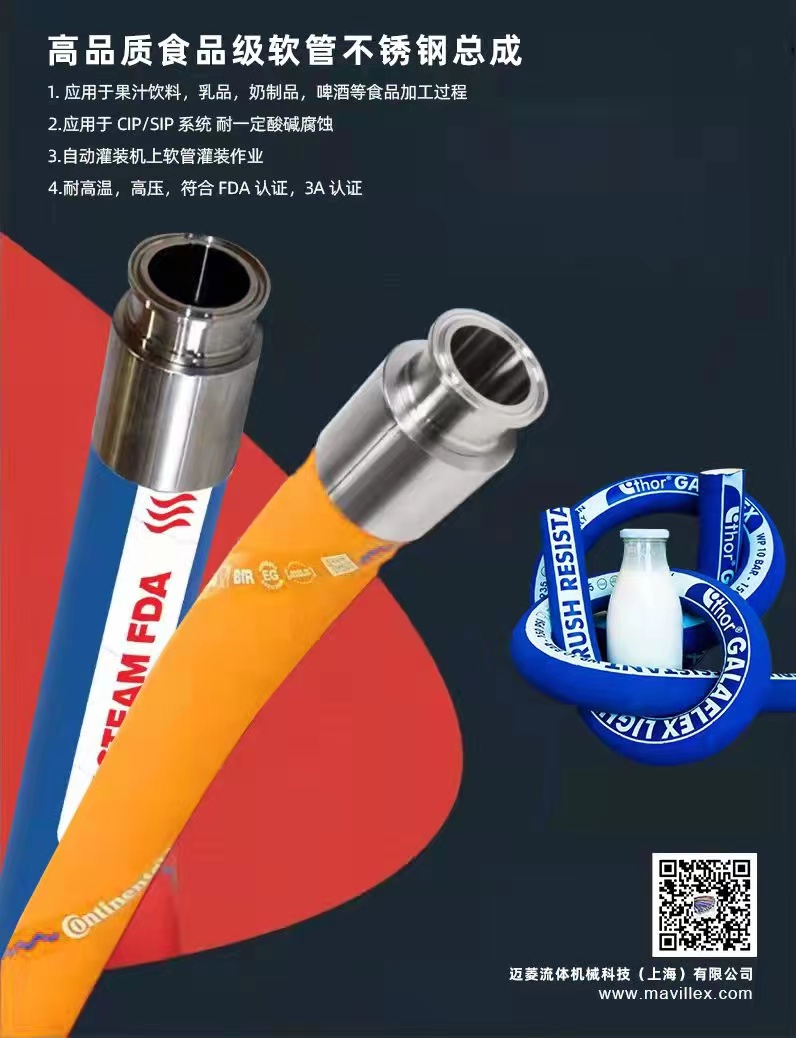
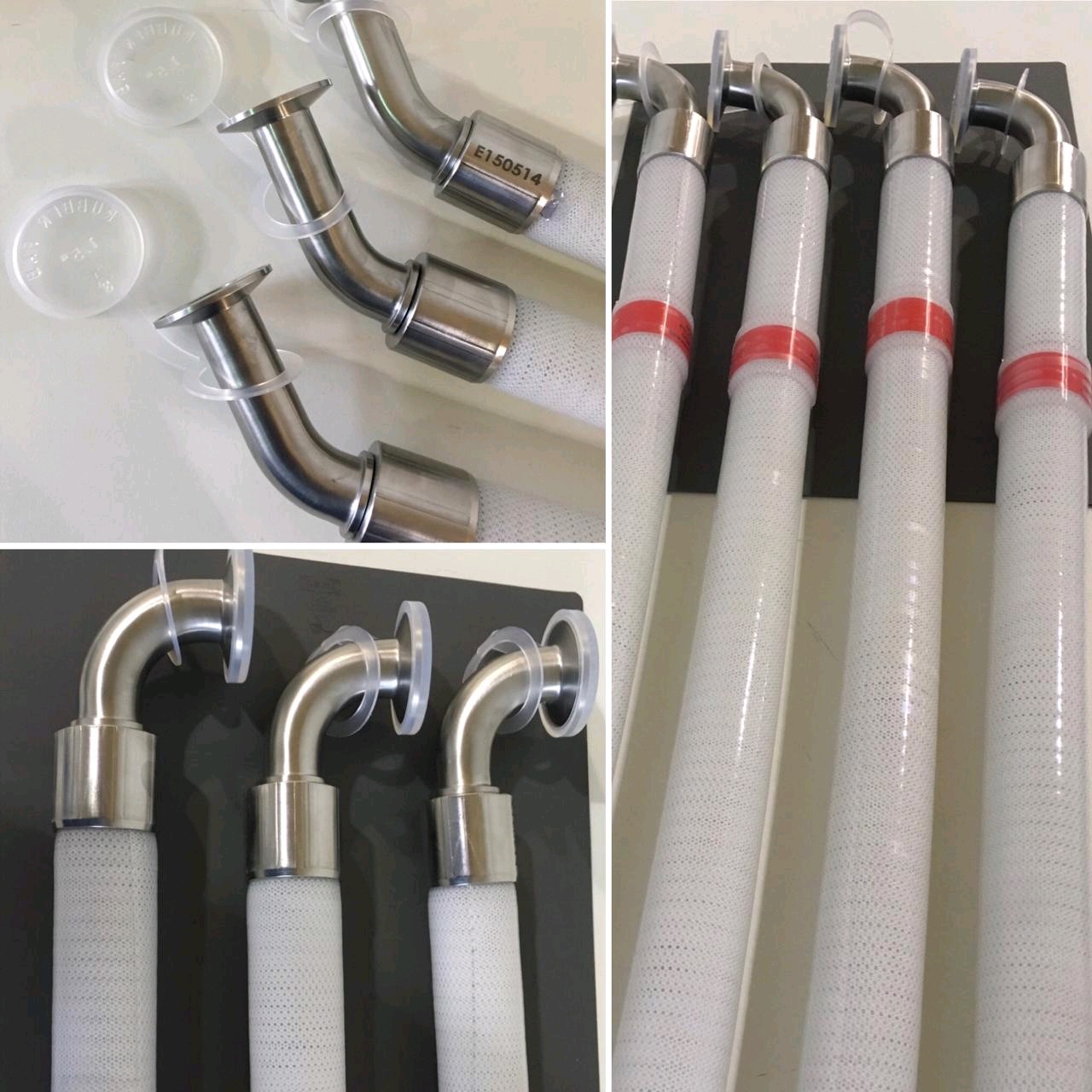
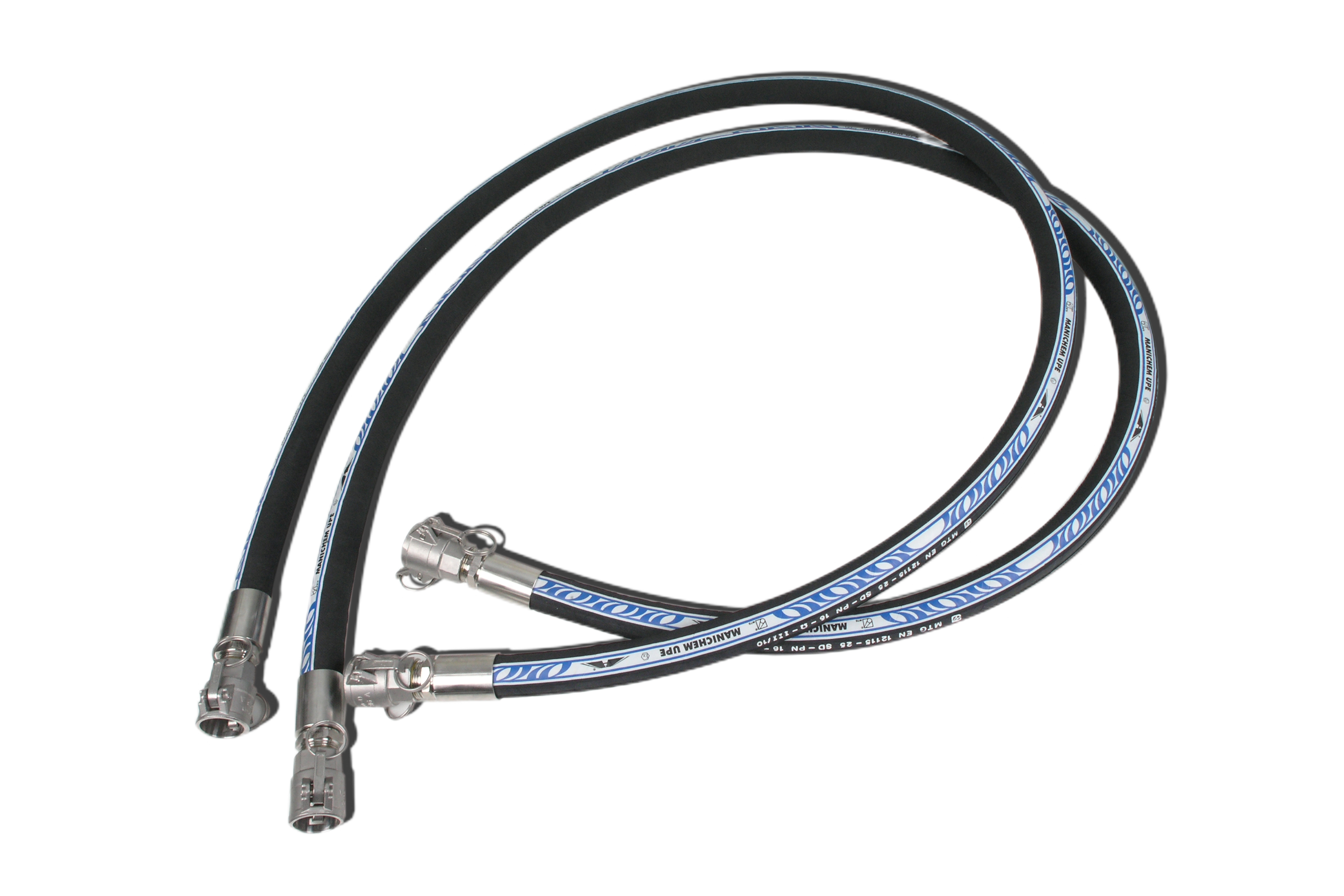
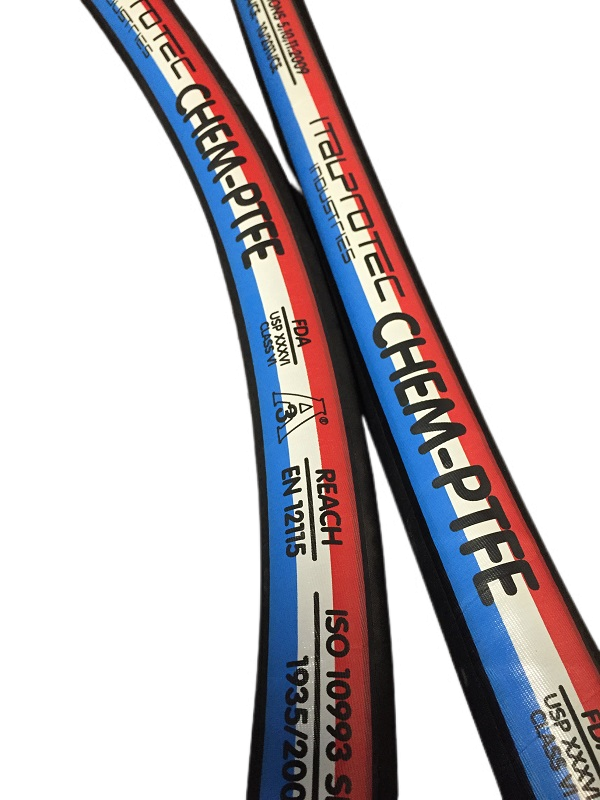
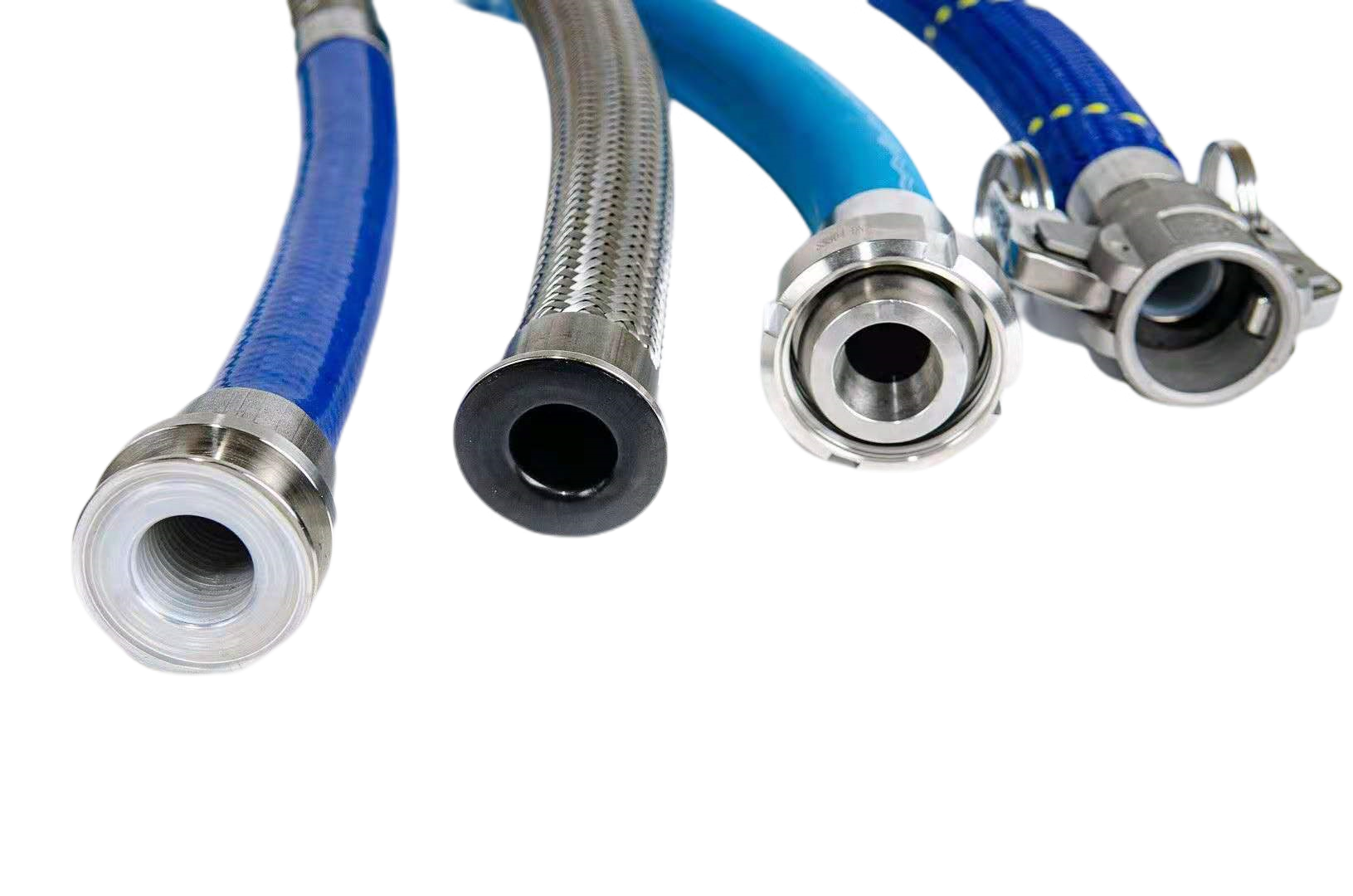
PTFE liner tube smooth, totally comply with FDA, USP CLASS VI certificates, the reinforcement is stainless steel wire braid ,and the cover is platinum cured white silicone rubber cover ,the pressure is up to 75 bar, It can be conveying sanitary steam , very suitable for pharmaceutical ,chemical ,biotech ,foodstuff and semi-conductor.
we can match any fitting like Flange ,Tri clamp and thread nut etc..
*The following content is generated by AI and is for reference only.
The product in question is a high-performance flexible tubing designed for demanding fluid and gas transfer applications across various industrial sectors. Typically constructed from reinforced synthetic rubber or thermoplastic elastomers, these hoses offer exceptional flexibility while maintaining structural integrity under extreme conditions. They are widely utilized in automotive manufacturing for coolant and fuel lines, in aerospace engineering for hydraulic systems, and in chemical processing plants for transporting corrosive substances. The primary advantage of this equipment lies in its ability to withstand high pressures, wide temperature fluctuations, and exposure to aggressive chemicals without degrading over time.
Key operational features include a smooth inner bore that minimizes flow resistance and prevents clogging, as well as an outer layer resistant to abrasion, ozone, and UV radiation. This ensures long service life even in harsh outdoor environments or heavy machinery settings. Installation requires careful attention to bending radii; exceeding the minimum bend limit can cause kinking or internal reinforcement damage, leading to premature failure. Proper alignment during connection is critical to avoid torsional stress on fittings. Furthermore, regular inspection for signs of wear, such as cracking, bulging, or leakage at coupling points, is essential for safety compliance.
Users must strictly adhere to pressure ratings specified by the manufacturer to prevent catastrophic bursts. Compatibility with specific media should always be verified before deployment, as certain fluids may degrade non-specialized materials. Temperature extremes beyond the rated range can compromise elasticity and sealing capabilities. Additionally, storage conditions matter; hoses should be kept away from direct sunlight and heat sources when not in use to preserve material properties. Regular maintenance schedules involving cleaning and visual checks significantly extend operational reliability. By following these guidelines, industries can ensure safe, efficient, and continuous fluid dynamics performance in complex mechanical systems where reliability is paramount.



 (All Rights Reserved)