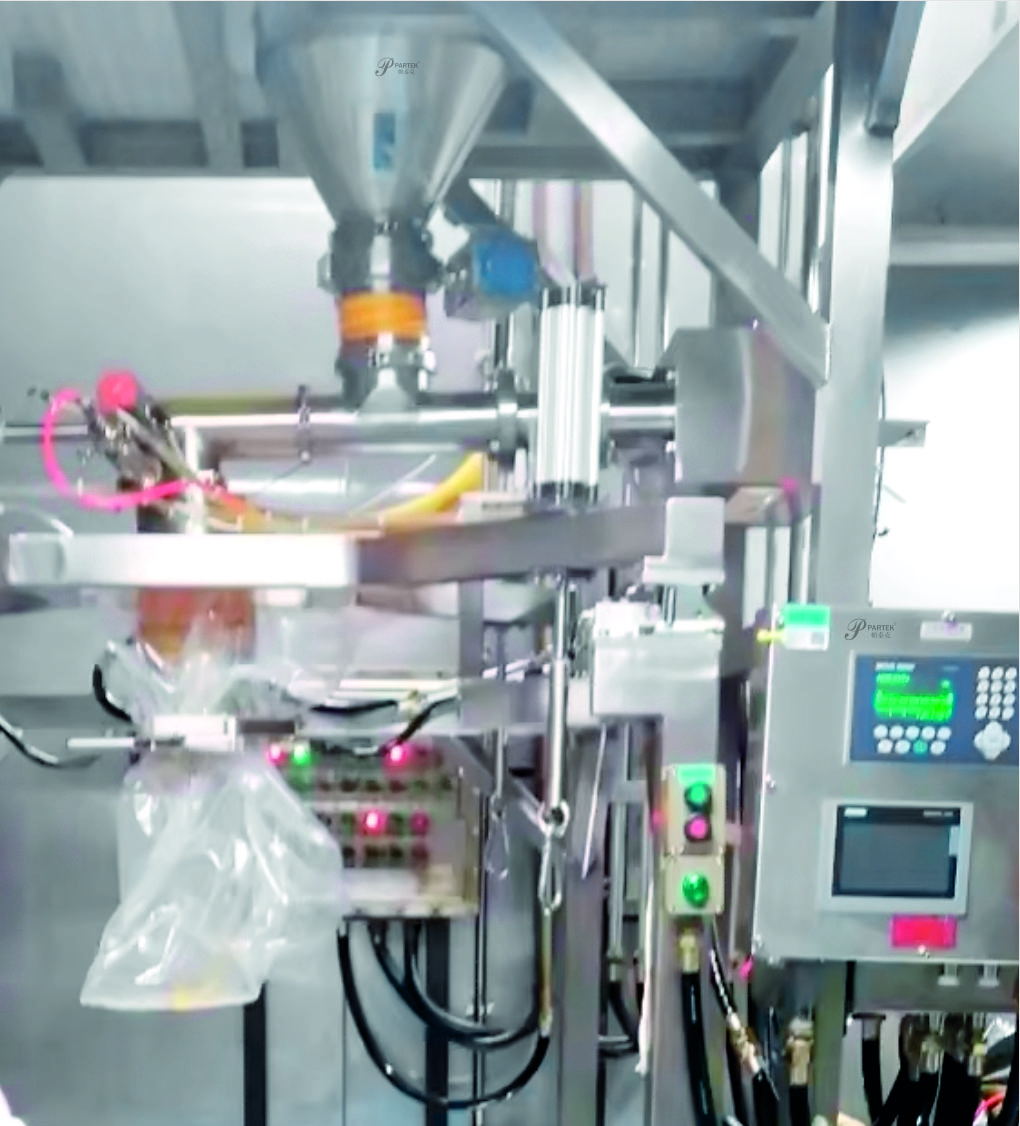
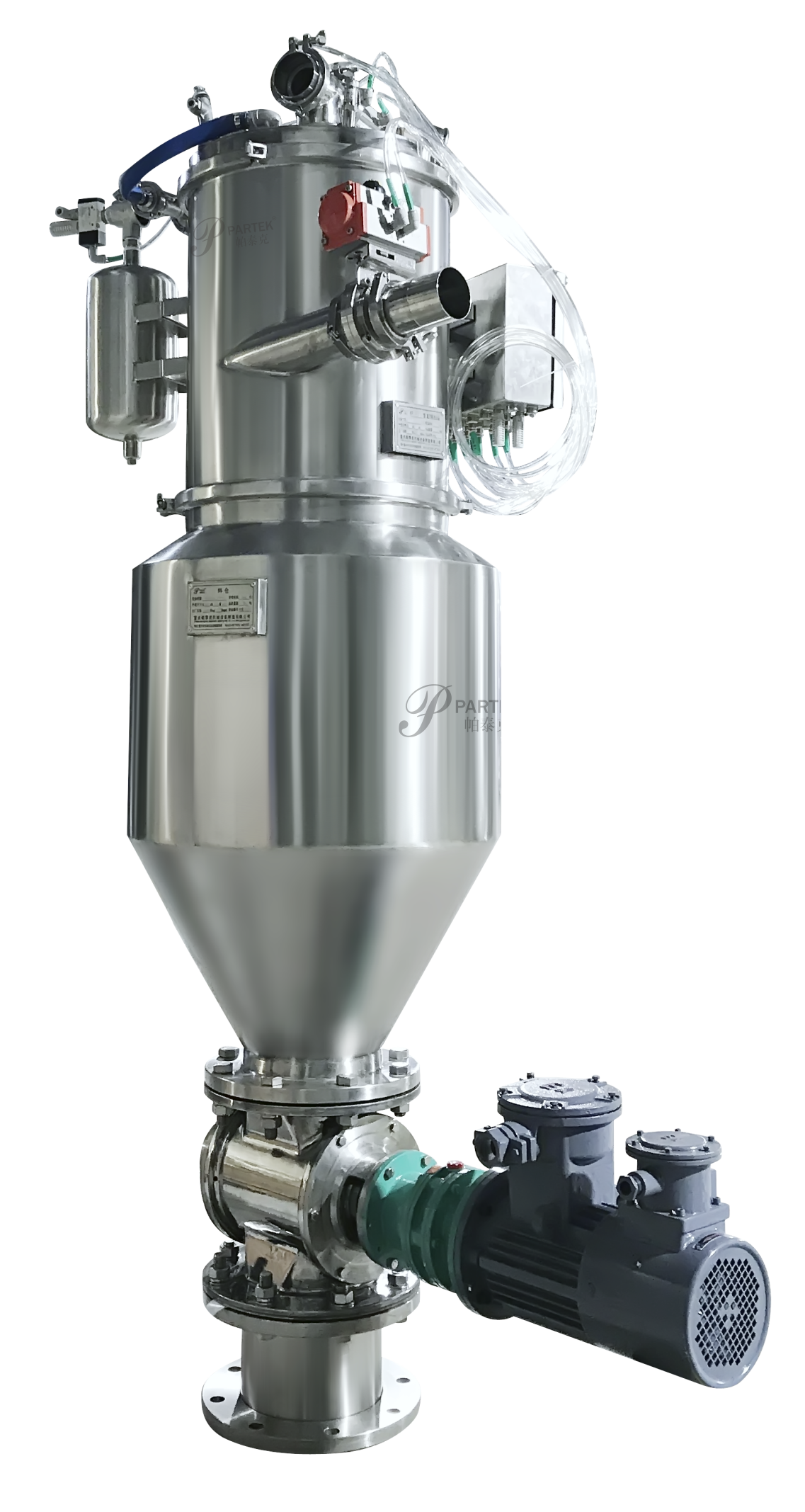
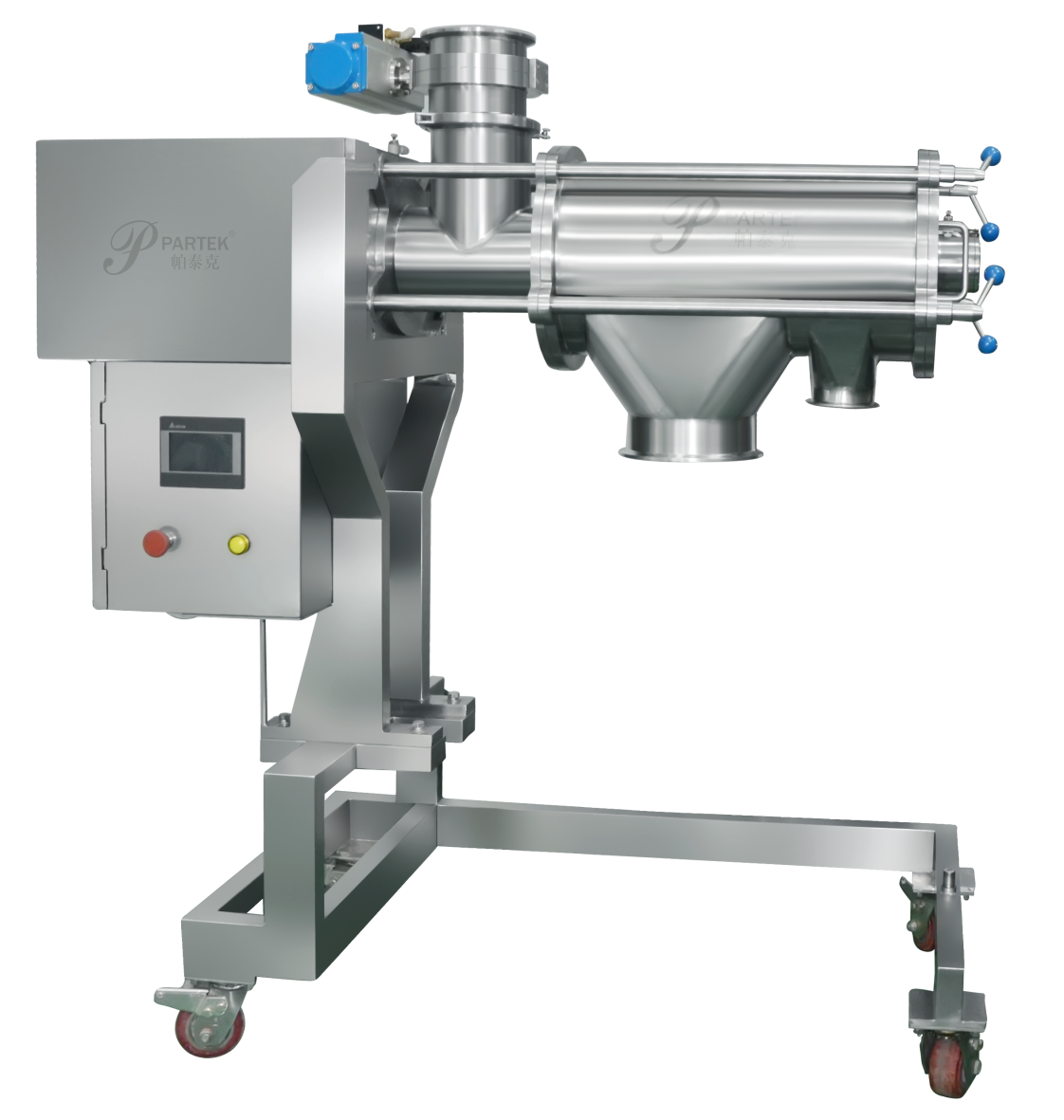
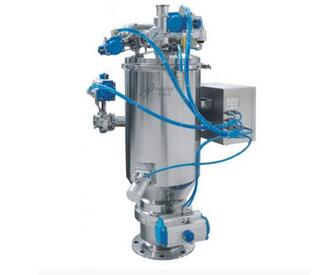
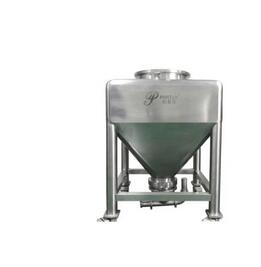
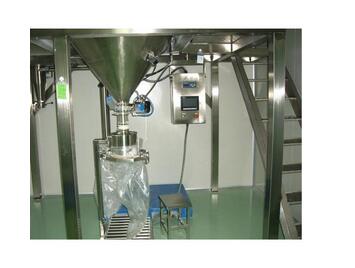
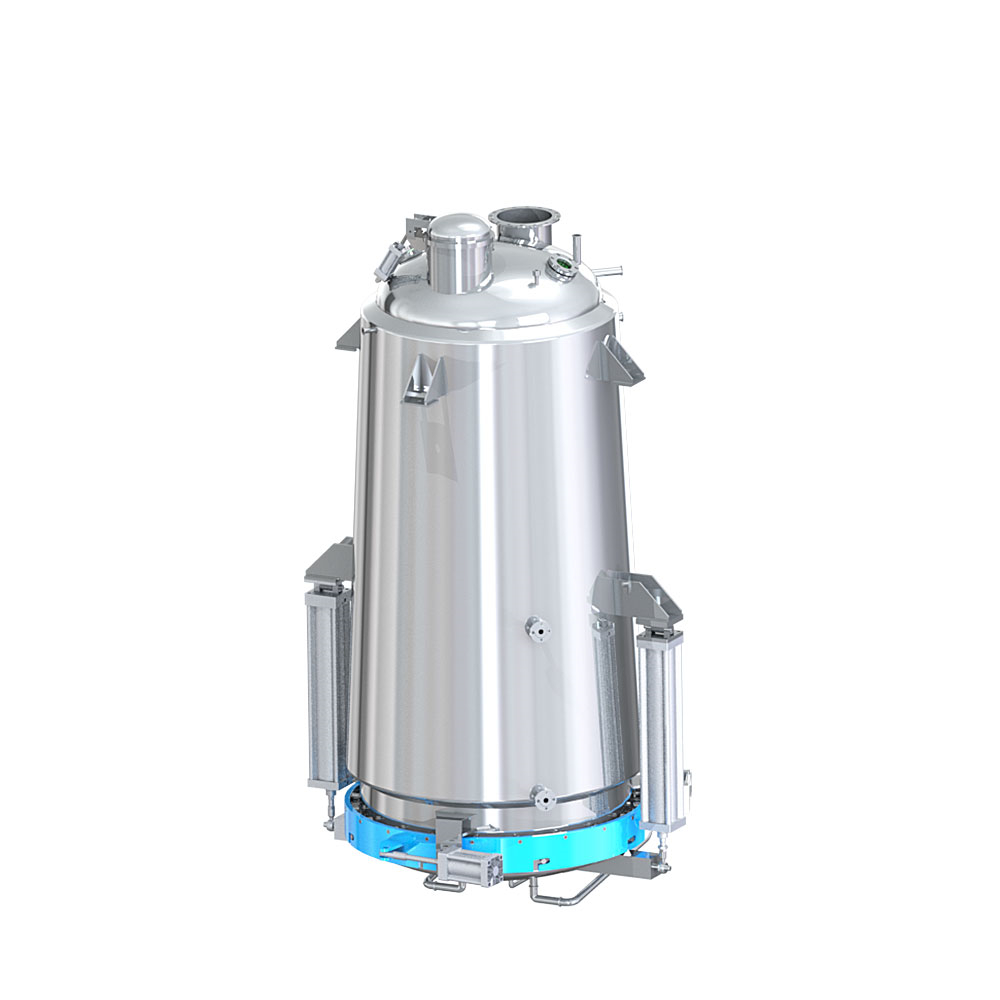
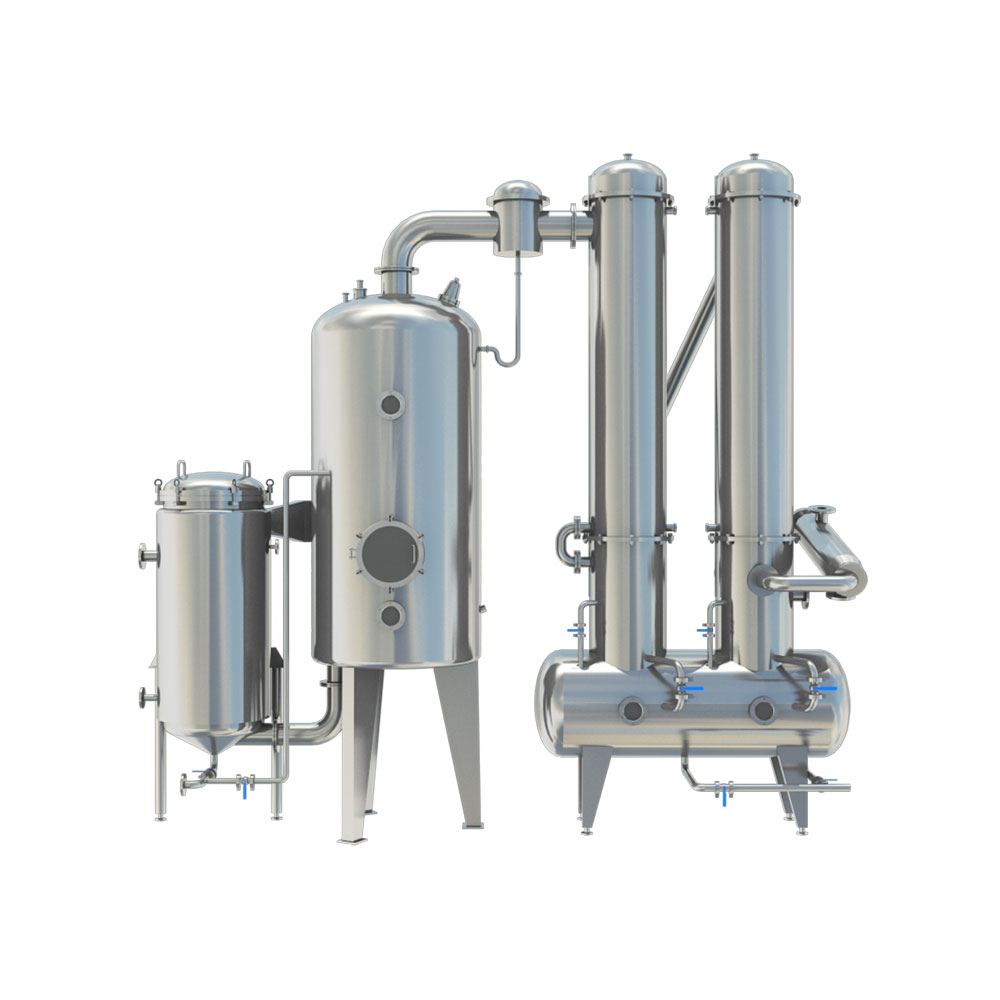
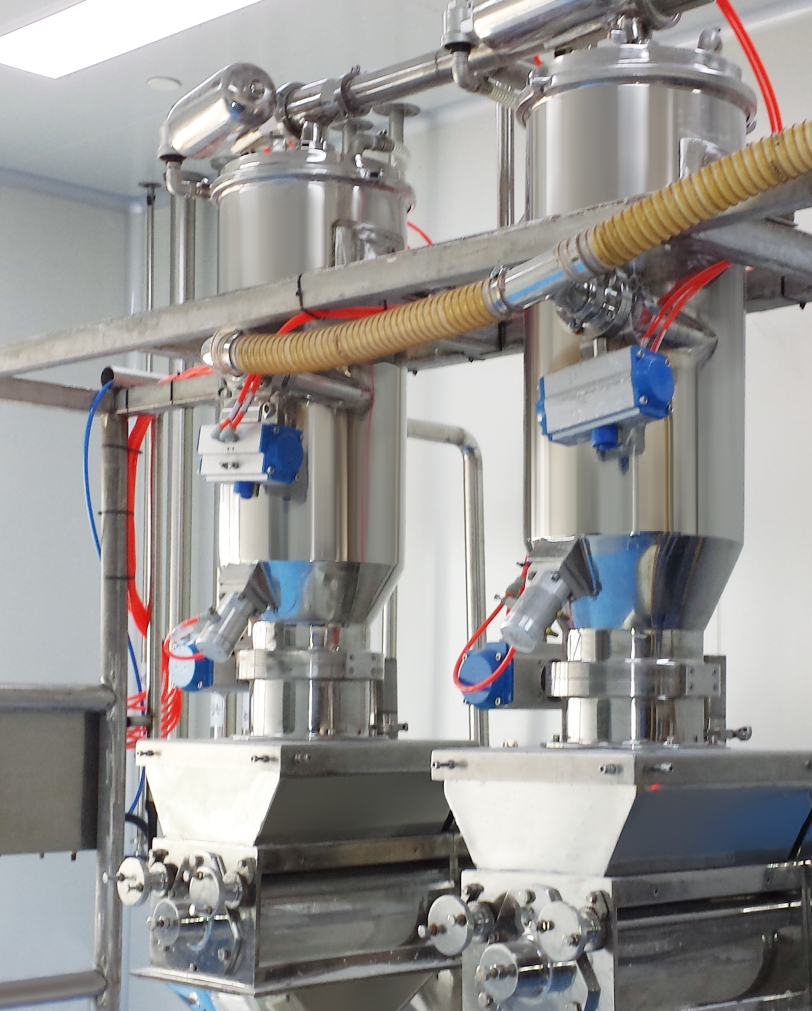
BVP vacuum feeder parallel two butterfly vacuum feeders by sharing one suction tube, connecting discharging tube to the same device or container.By sharing one vacuum generator, continuous transmission is achieved.
Feature:It's for transmission for high height, long distance and large output.
*The following content is generated by AI and is for reference only.
The BVP continuous vacuum feeder is a sophisticated material handling device designed to automate the transfer of bulk powders, granules, and pellets from storage hoppers directly into processing equipment such as extruders, mixers, or reactors. Its primary function is to ensure a consistent, metered flow of material while maintaining a sealed environment, which is critical for preventing dust emissions, protecting moisture-sensitive ingredients, and ensuring operator safety in hazardous atmospheres. By utilizing negative pressure generated by a vacuum pump, the system gently conveys materials through a flexible hose or rigid pipe without mechanical agitation that could degrade particle integrity.
A key advantage of this technology is its ability to operate continuously over long distances and vertical lifts, making it ideal for complex factory layouts where gravity feed is not feasible. The unit typically features an automatic level control mechanism that stops feeding when the receiving vessel is full and resumes once the level drops, thereby optimizing energy consumption and preventing overflow. Furthermore, the closed-loop design significantly reduces product loss and cross-contamination, adhering to strict hygiene standards required in pharmaceutical, food, and chemical industries.
When operating this equipment, several precautions must be observed to ensure longevity and safety. First, regular inspection of the sealing gaskets and filter elements is essential to maintain vacuum efficiency and prevent air leaks that could disrupt the feeding rate. Second, operators must strictly adhere to lockout/tagout procedures during maintenance to avoid accidental activation of the vacuum motor or rotating parts. Third, the material being conveyed must be compatible with the construction materials of the hopper and conveying line; abrasive or highly corrosive substances may require specialized linings. Finally, adequate grounding should always be established to dissipate static electricity, particularly when handling flammable powders, to mitigate explosion risks. Proper training on emergency stop protocols and routine cleaning schedules are also mandatory to sustain optimal performance and regulatory compliance in industrial settings.




 (All Rights Reserved)