Product Description
Definition
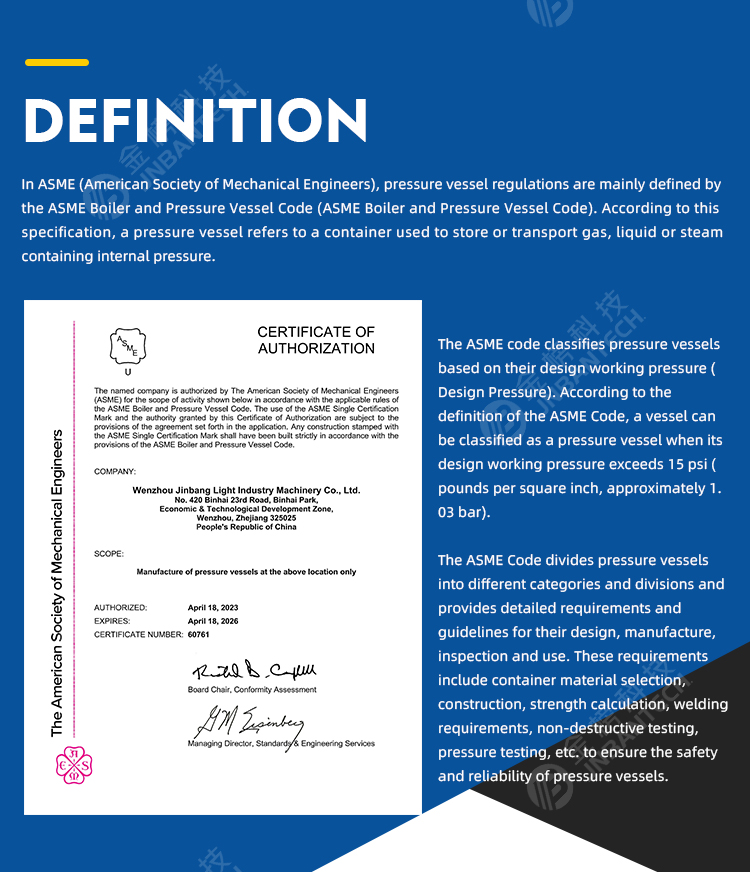
In ASME (American Society of Mechanical Engineers), pressure vessel regulations are mainly defined by the ASME Boiler and Pressure Vessel Code (ASME Boiler and Pressure Vessel Code). According to this specification, a pressure vessel refers to a container used to store or transport gas, liquid or steam containing internal pressure.
AI Product Description
*The following content is generated by AI and is for reference only.
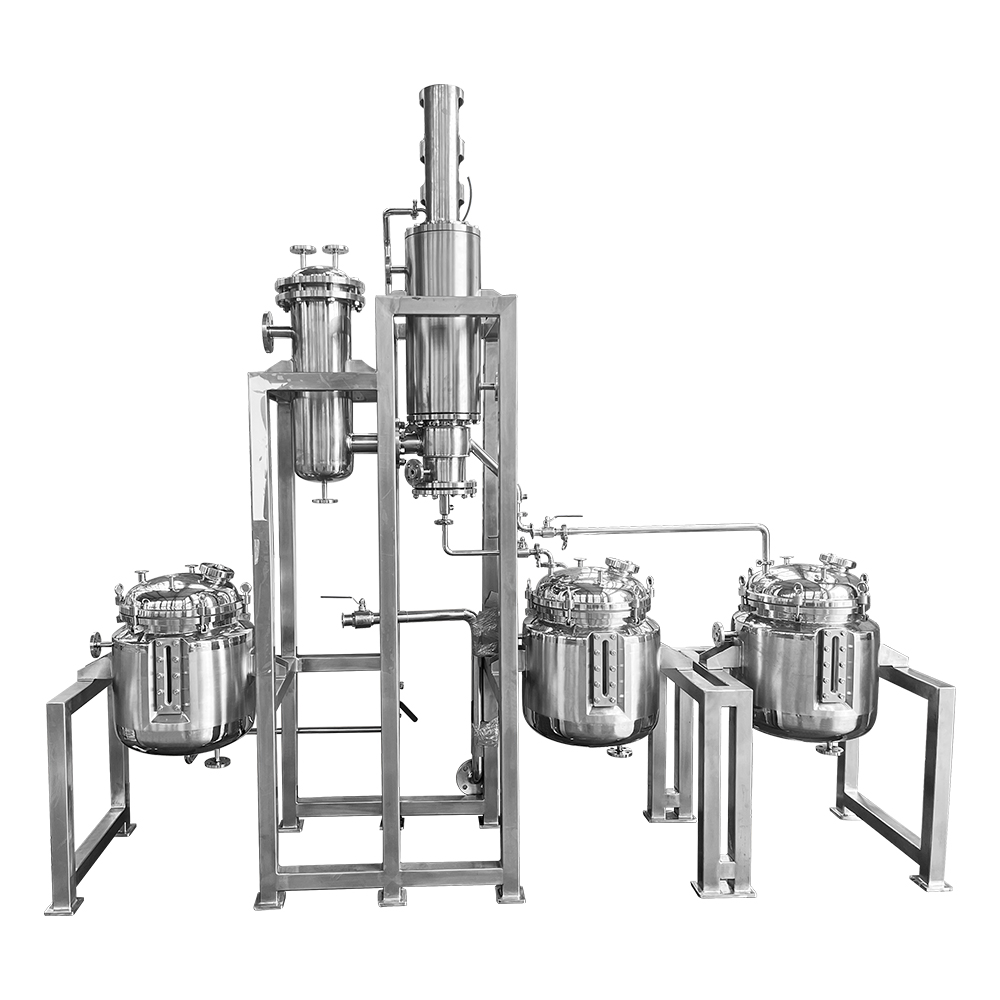
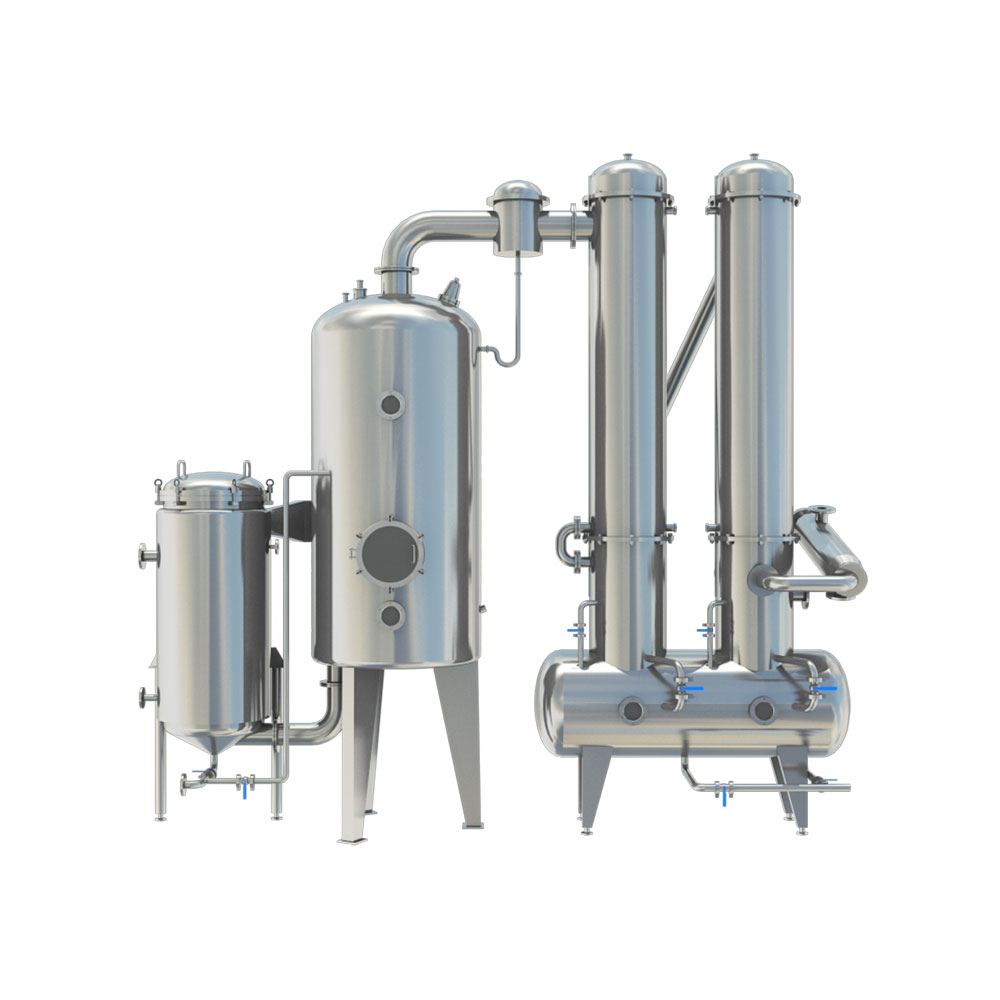
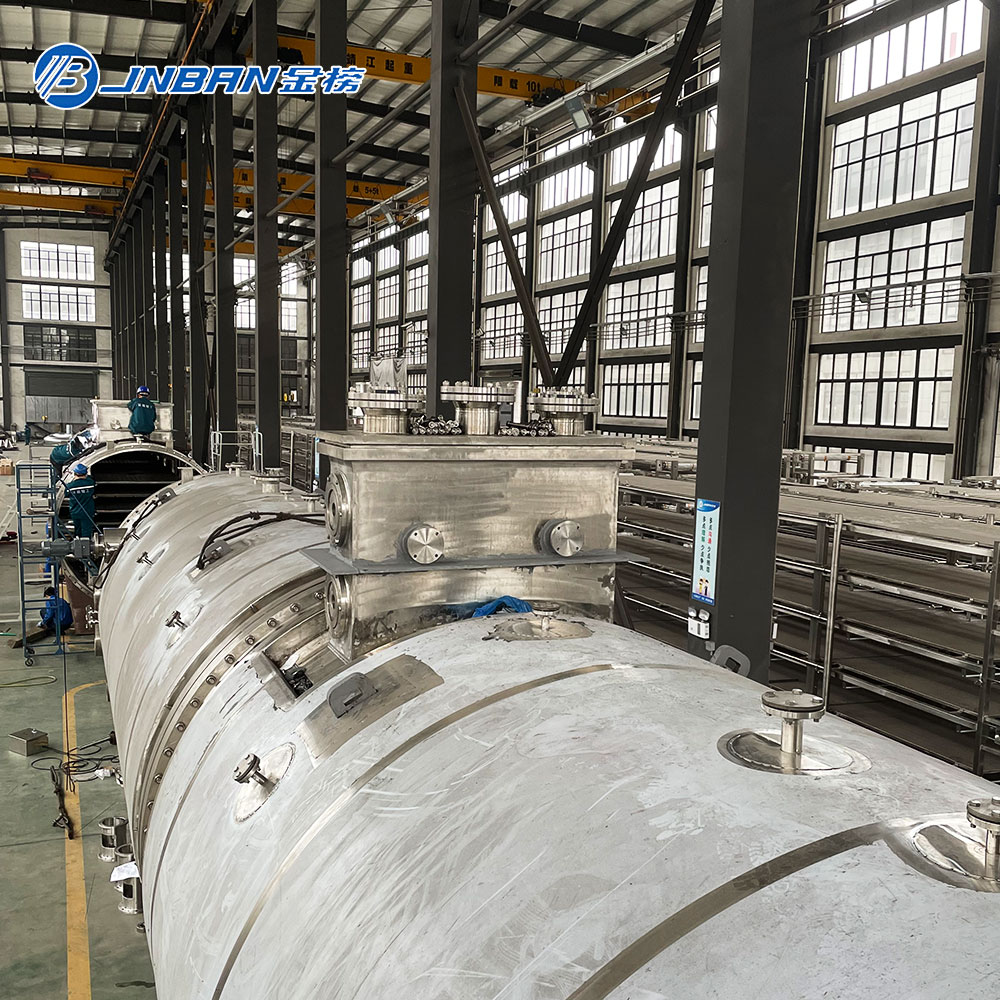
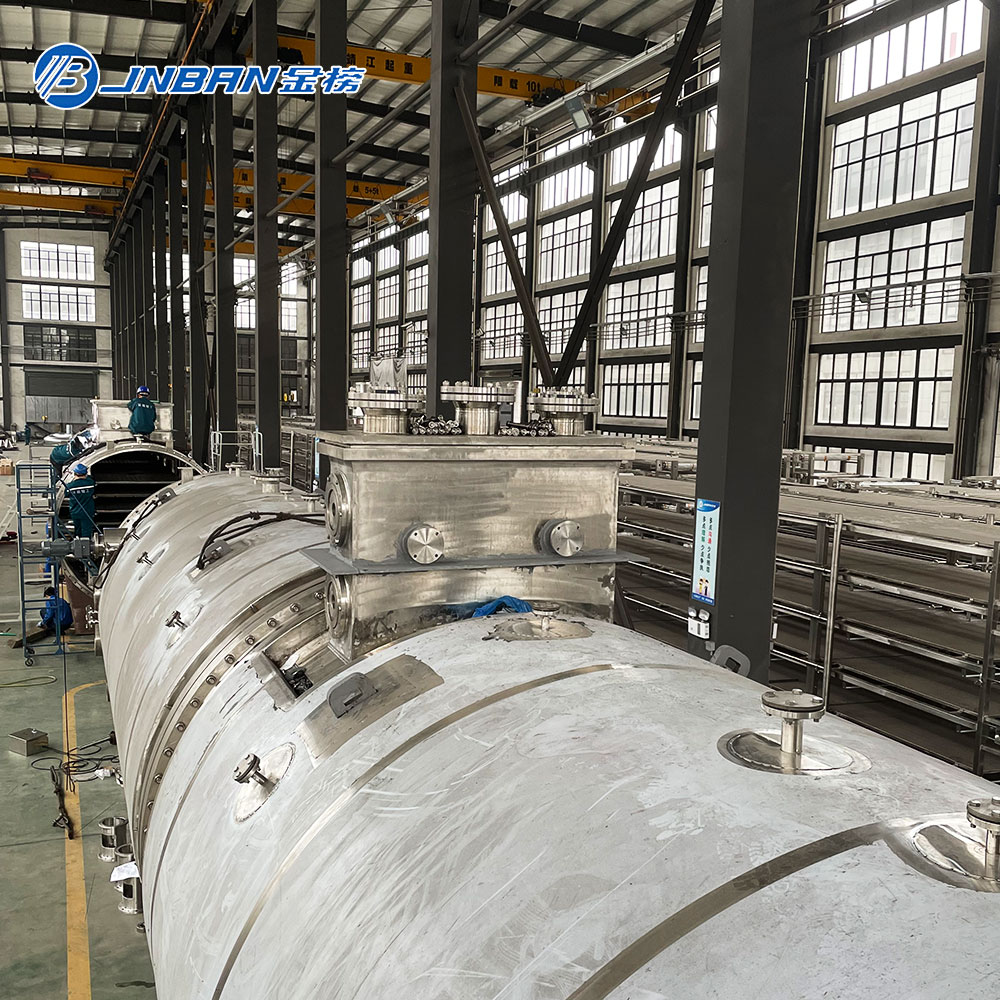
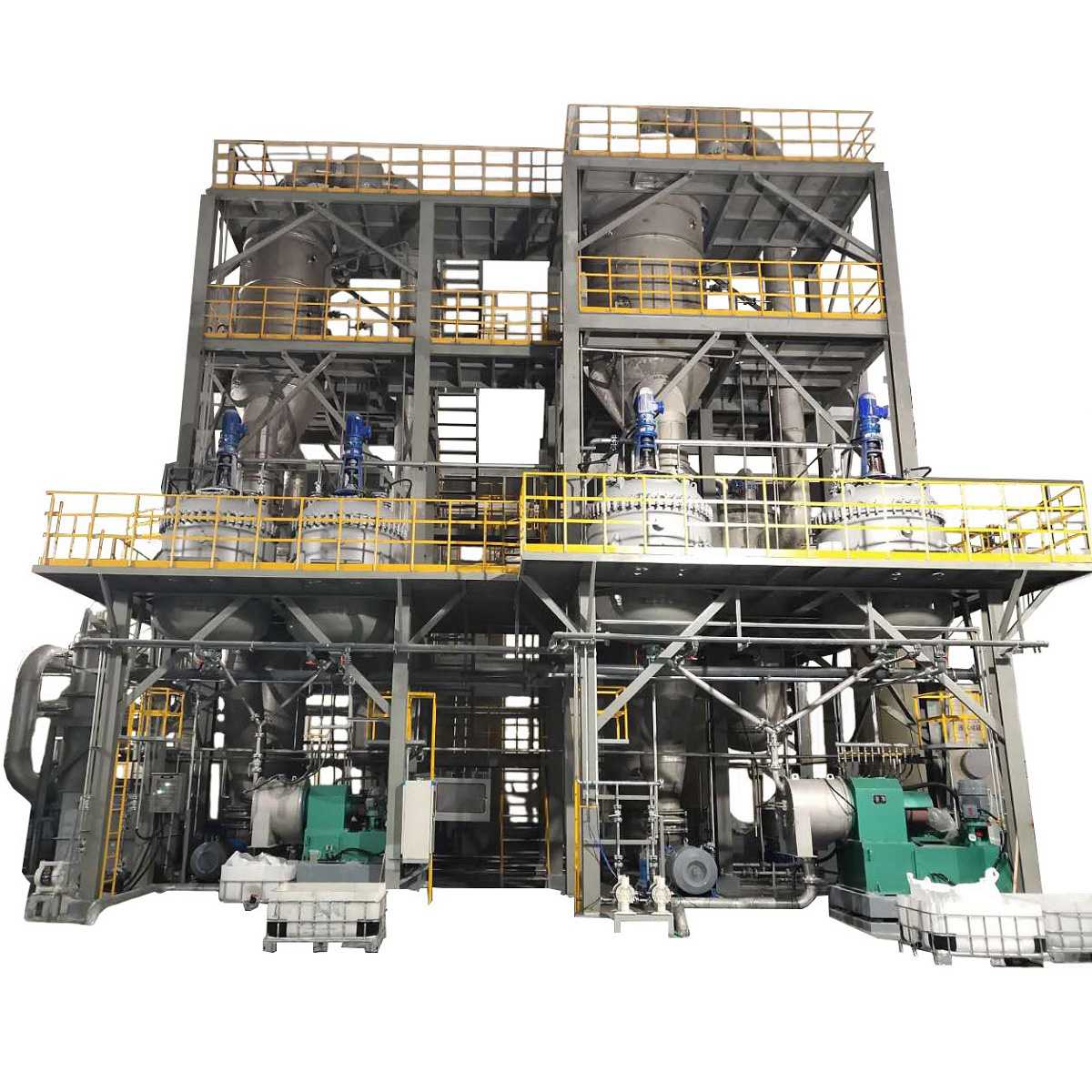
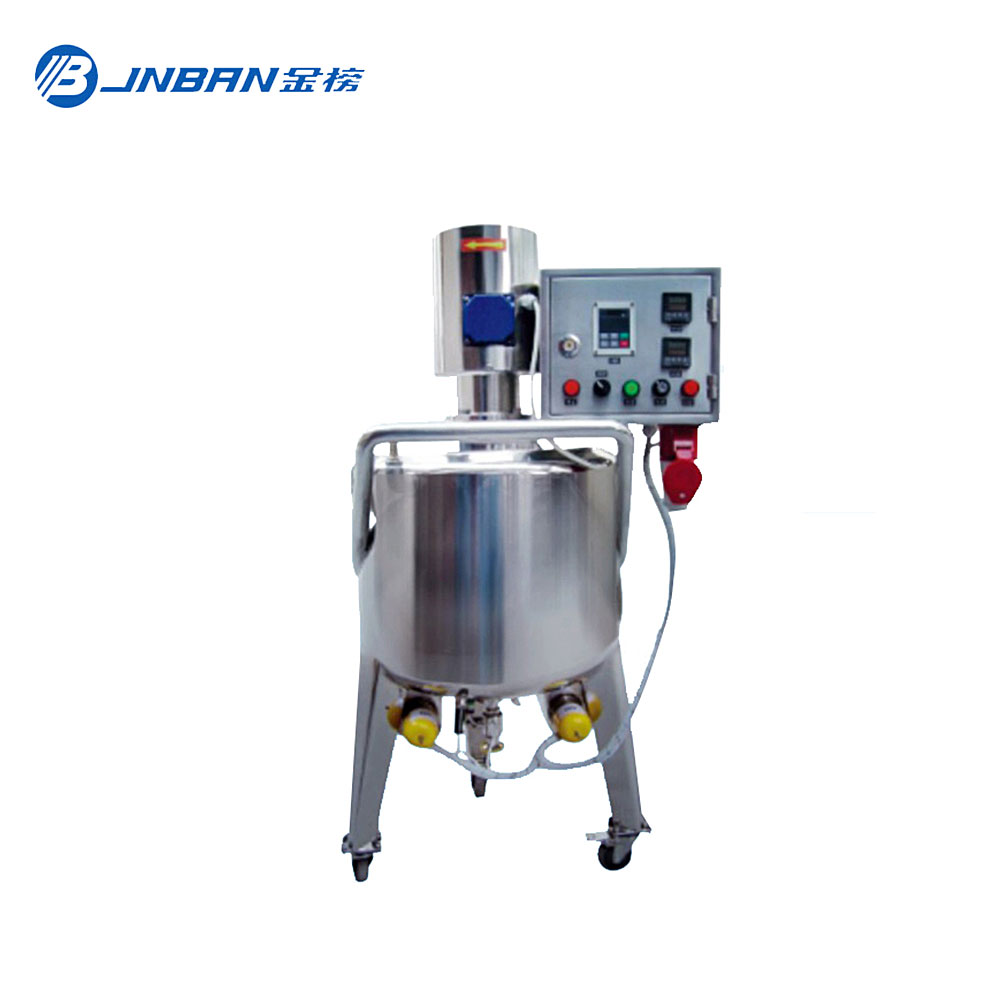
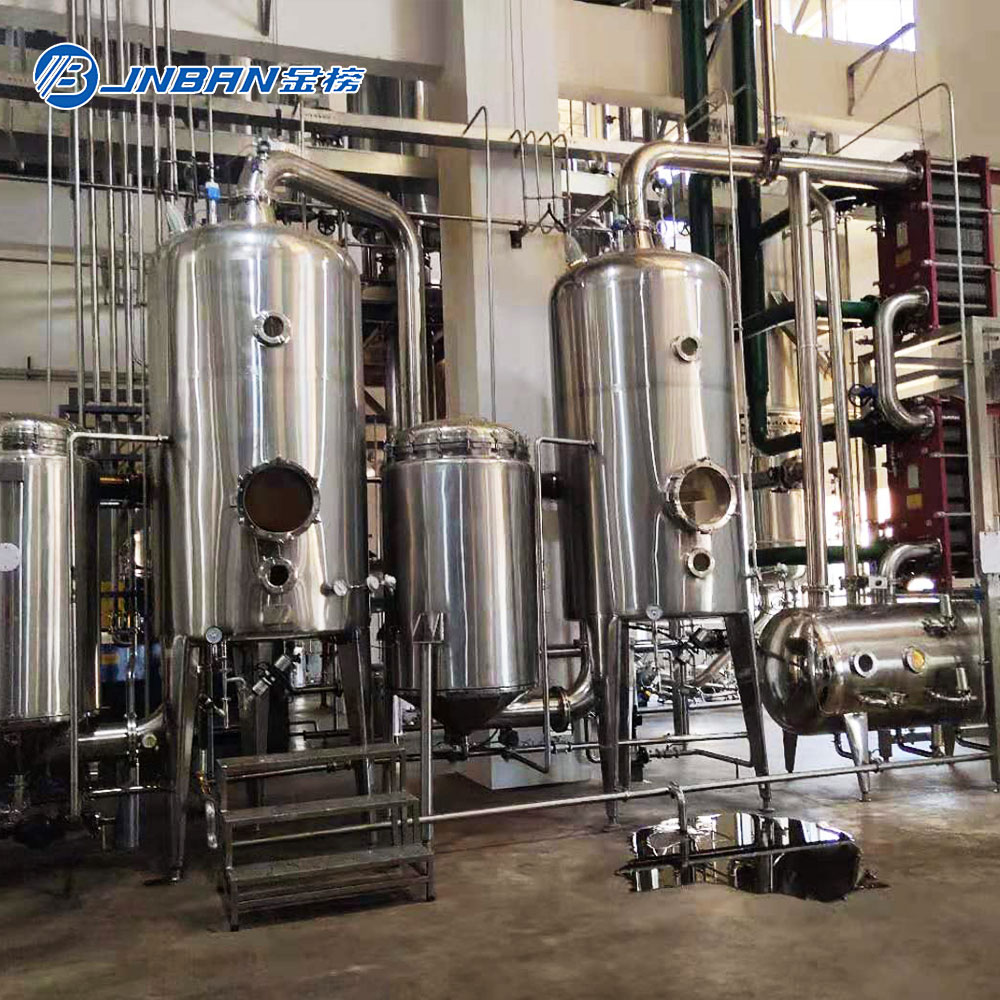
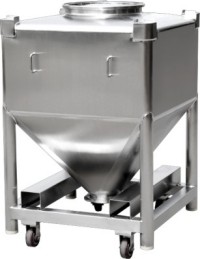
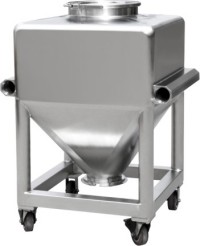
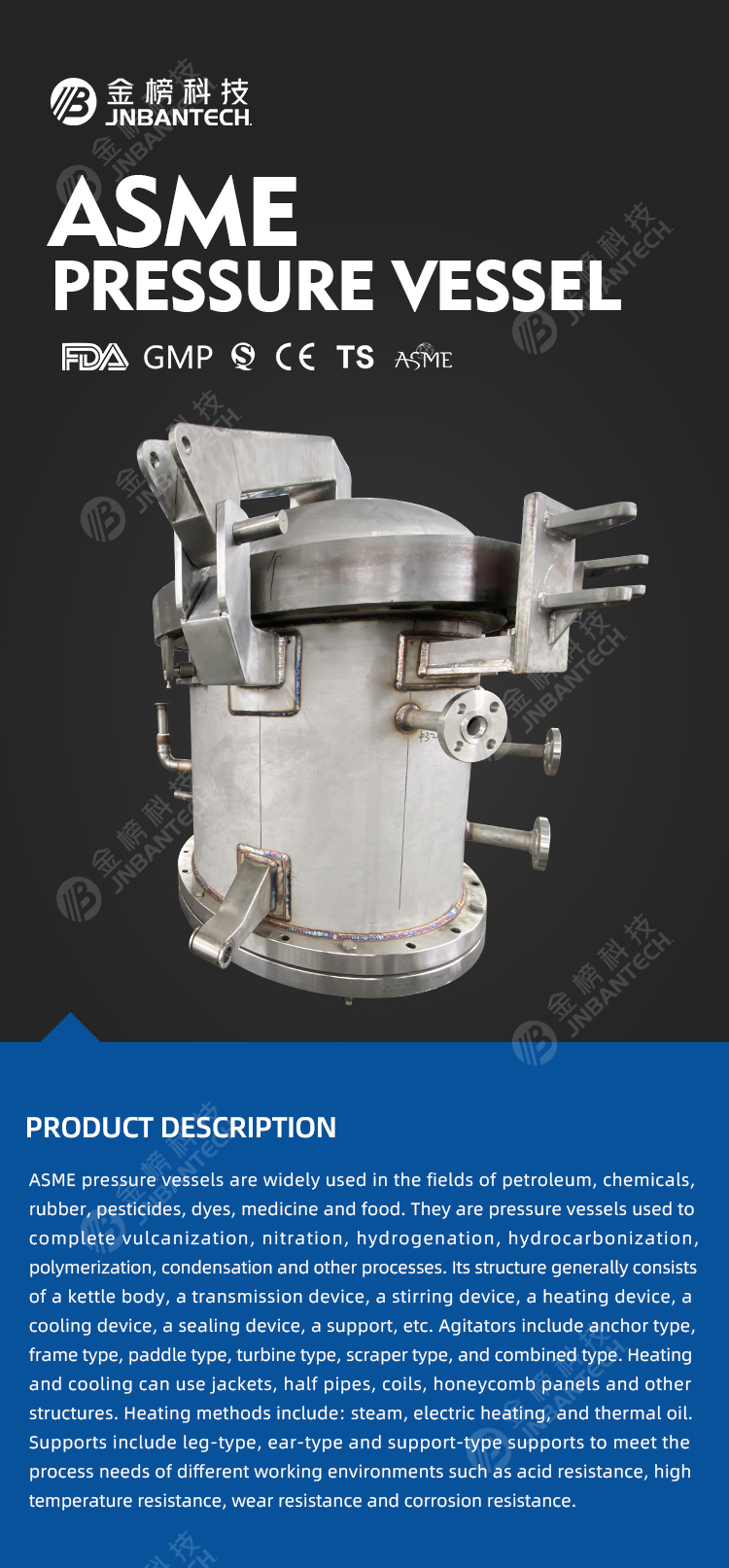
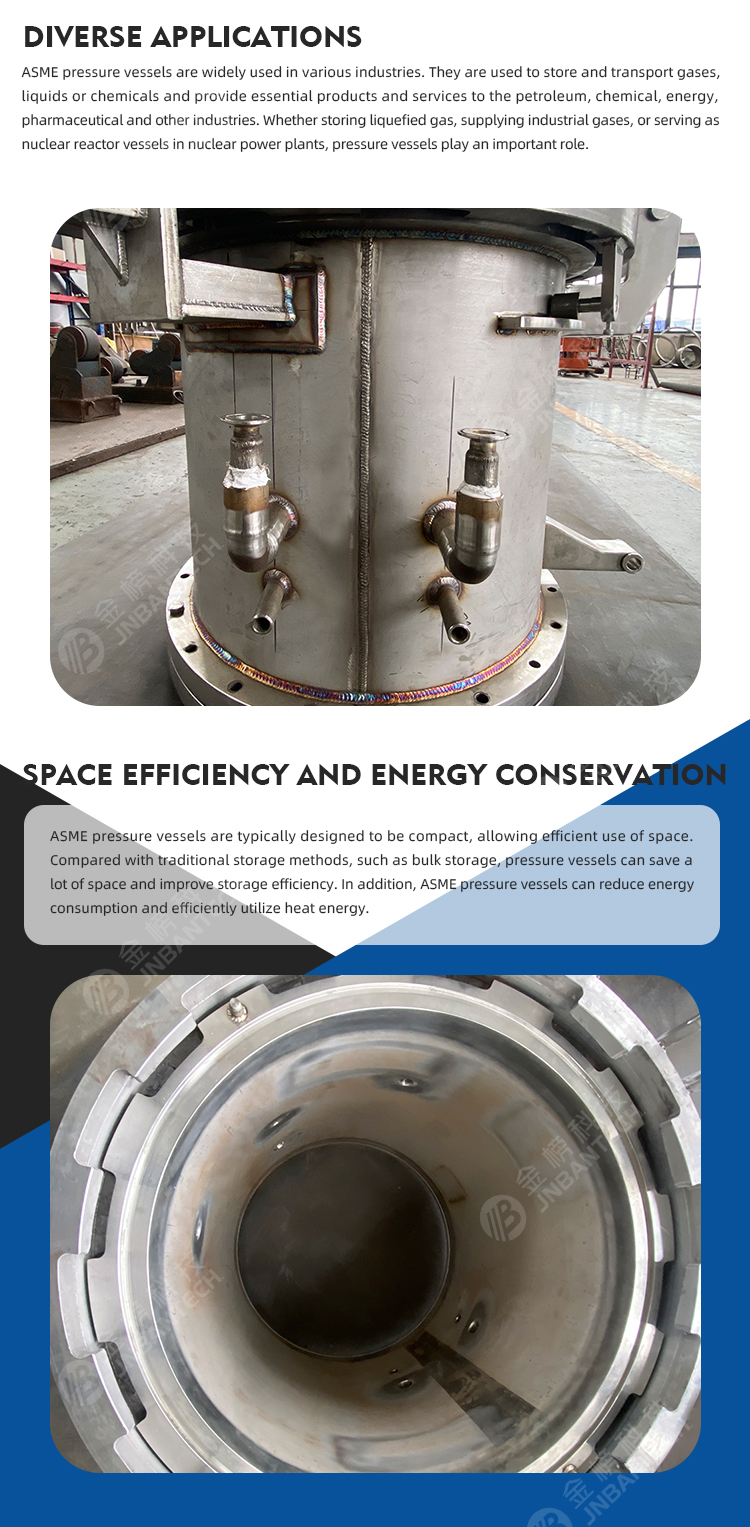
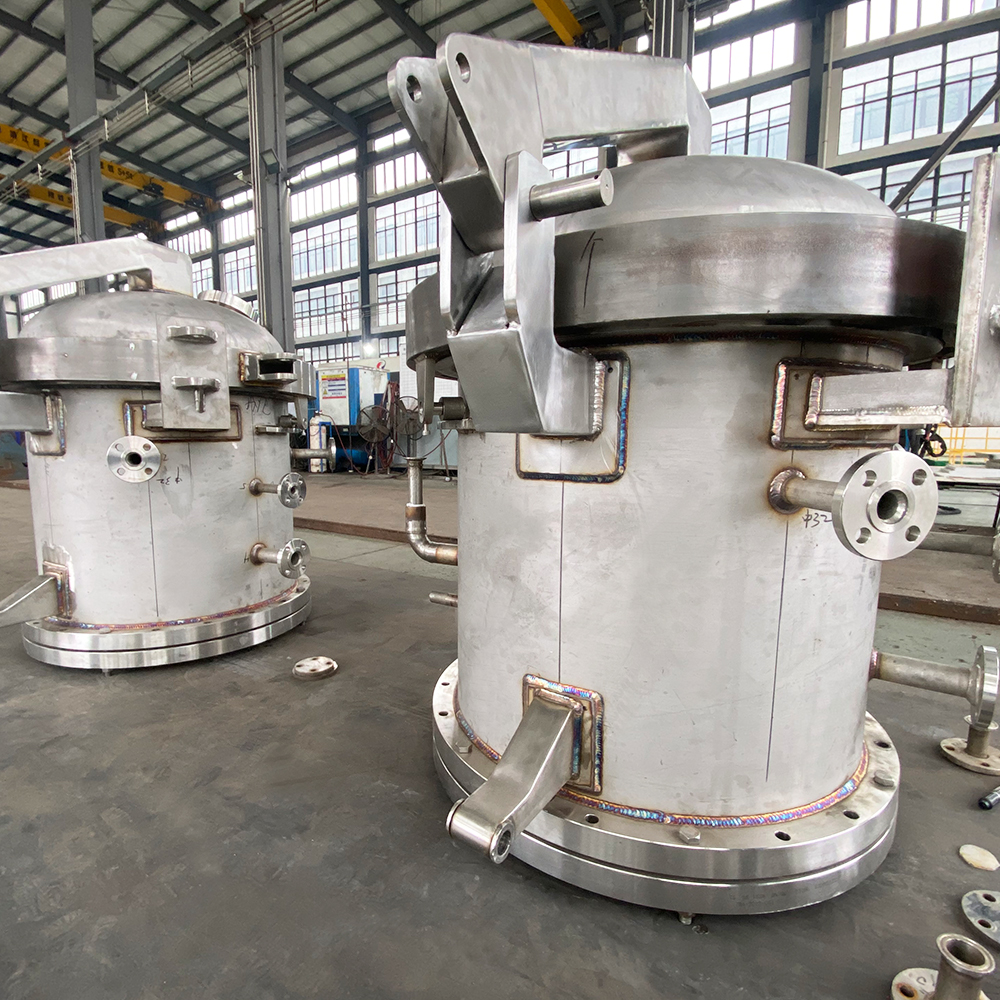
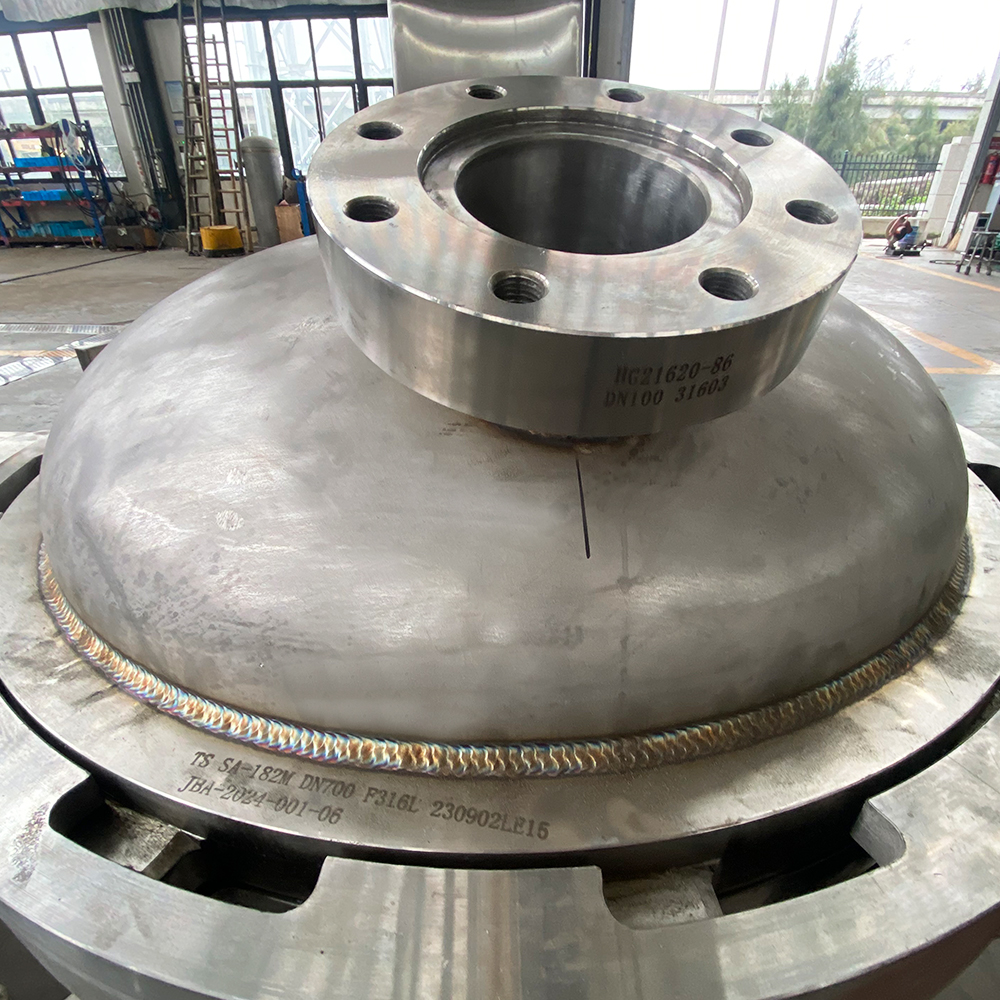
Industrial stainless steel pressure vessels are critical components in various processing industries, including food and beverage, pharmaceuticals, chemical manufacturing, and biotechnology. Designed to safely contain fluids or gases at pressures significantly higher than atmospheric levels, these tanks adhere to rigorous international standards such as ASME (American Society of Mechanical Engineers) to ensure structural integrity and operational safety. Typically constructed from high-grade austenitic stainless steel like 304 or 316L, they offer exceptional resistance to corrosion, making them ideal for handling aggressive chemicals, sterile liquids, or sensitive biological materials.
The primary function of these vessels involves mixing, heating, cooling, reacting, or storing substances under controlled conditions. They often feature jacketed designs that allow for precise temperature regulation through circulating heating or cooling media. Internal configurations may include agitators, baffles, and specialized nozzles to facilitate efficient mass and heat transfer. The large capacities commonly available, ranging from hundreds to thousands of liters, enable continuous industrial-scale production processes while maintaining consistent product quality.
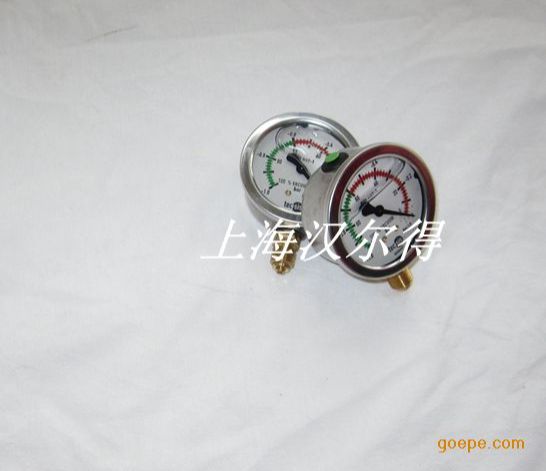
Safety is paramount when operating these units. Personnel must strictly follow manufacturer guidelines regarding maximum allowable working pressure and temperature limits to prevent catastrophic failure. Regular inspection of pressure relief valves, gauges, and seals is essential to detect wear or leaks early. Before any maintenance, the vessel must be fully depressurized, drained, and purged of hazardous contents. Furthermore, operators should verify that all welding and fabrication meet certified codes to avoid structural weaknesses. Proper training on emergency shutdown procedures and leak detection protocols is mandatory for all staff interacting with the equipment. Additionally, cleaning and sanitization between batches are crucial to prevent cross-contamination, especially in hygienic applications. By adhering to these operational best practices, facilities can maximize equipment lifespan, ensure regulatory compliance, and maintain a safe working environment for their workforce.






 (All Rights Reserved)