Product Description
SPECIFICATIONS:
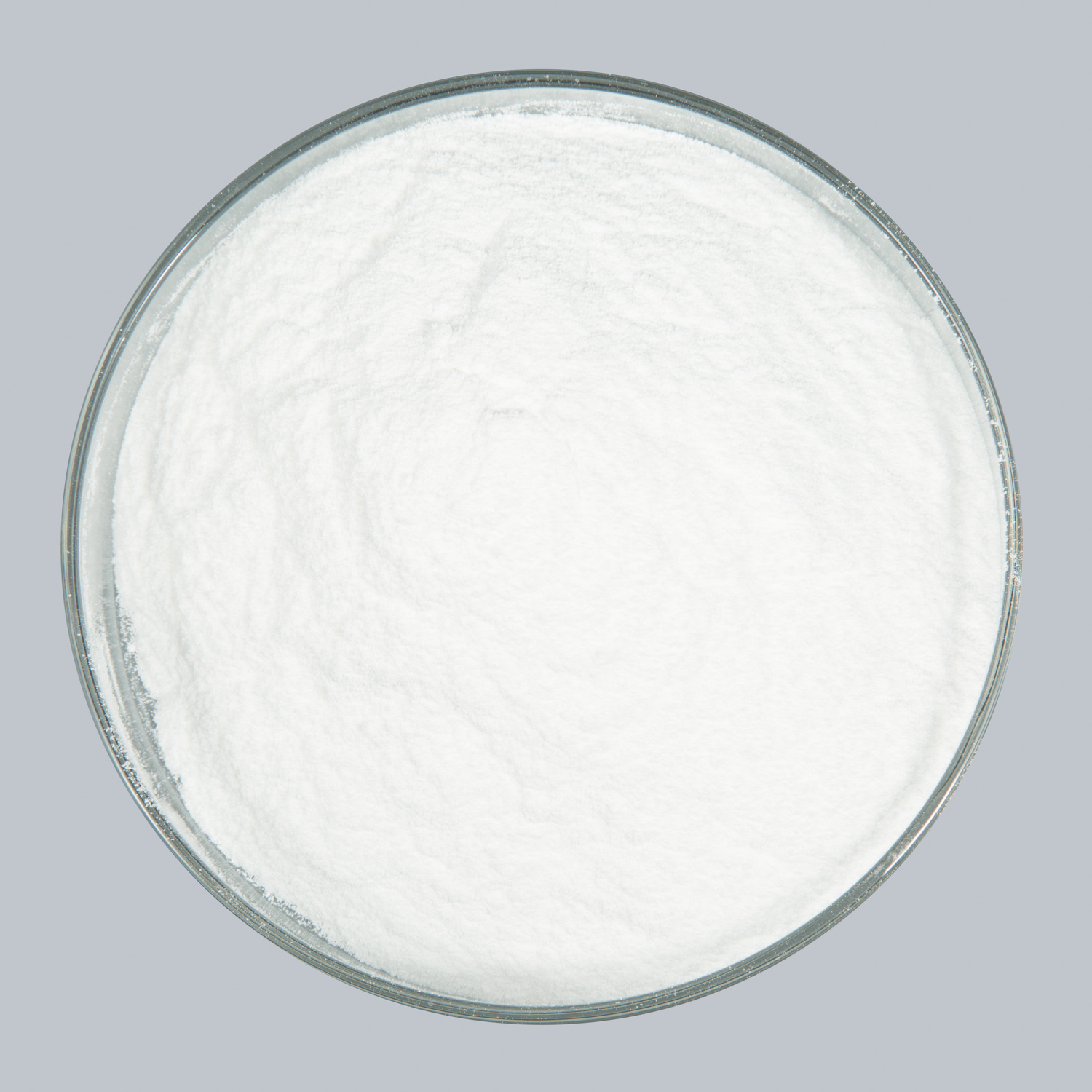
DESCRIPTION:Clear colorless to pale yellow fuming liquid
IDENTIFICATION BY IR:Should confirm to standard
ASSAY (ON AS IS BASIS) (% W/W):Not less than 98.0
AI Product Description
*The following content is generated by AI and is for reference only.
Trimethylsilyl trifluoromethanesulfonate, commonly known as TMSOTf or trimethylsilyl triflate, is a highly reactive and versatile organosilicon reagent widely utilized in organic synthesis. With the molecular formula C4H9F3O3SSi and CAS number 2857-10-9, this colorless to pale yellow liquid serves as a powerful silylating agent and Lewis acid catalyst. Its chemical structure consists of a trimethylsilyl group attached to a trifluoromethanesulfonate anion, which imparts exceptional electrophilicity and stability under specific conditions.
The primary application of TMSOTf lies in its ability to facilitate the protection of hydroxyl groups, forming stable silyl ethers that are crucial for multi-step synthetic pathways. Unlike other silylating agents such as TMSCl, TMSOTf operates under milder conditions and exhibits superior reactivity, making it ideal for sterically hindered substrates. Furthermore, it acts as an efficient Lewis acid catalyst in various transformations, including glycosylation reactions, Diels-Alder cycloadditions, and Friedel-Crafts alkylations. In carbohydrate chemistry, it is indispensable for activating glycosyl donors to achieve high stereoselectivity during the formation of glycosidic bonds.
Due to its moisture sensitivity, TMSOTf must be handled with care under anhydrous conditions, typically using inert atmospheres like nitrogen or argon. It reacts vigorously with water to release corrosive triflic acid and hexamethyldisiloxane, necessitating strict storage protocols in cool, dry environments. Despite these handling requirements, its efficiency and broad utility make it a staple in pharmaceutical manufacturing, natural product synthesis, and materials science. Researchers frequently employ it to introduce silyl groups into complex molecules, enabling subsequent functionalization strategies. As a result, Trimethylsilyl trifluoromethanesulfonate remains a cornerstone reagent for chemists seeking precise control over molecular architecture in both academic research and industrial applications.






 (All Rights Reserved)
![4-[[[[6-[(Diethylamino)methyl]-2-naphthalenylmethoxy]carbonyllaminolbenzoic acid](https://eimg.pharmasources.com/image/20241206/xJCFsdgfMrHzqjtgeOixhGQHgVbKi7kAcoEqemzE.jpg)