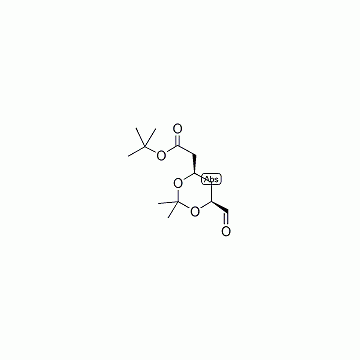
Product Description
Pharmaceutical Intermediates
AI Product Description
*The following content is generated by AI and is for reference only.
Trifluoromethanesulfonic acid, commonly known as triflic acid and abbreviated as TfOH, is a superacid renowned for its exceptional strength and unique chemical properties. With the molecular formula CHF3O3S and the CAS registry number 1493-13-6, this compound represents one of the strongest organic acids available commercially. Its structure consists of a trifluoromethyl group attached to a sulfonic acid moiety, where the highly electronegative fluorine atoms significantly enhance the acidity by stabilizing the conjugate base through inductive effects. This stabilization renders the anion non-nucleophilic, allowing triflic acid to act as a potent proton donor without participating in unwanted side reactions typical of other strong acids like sulfuric or hydrochloric acid.
Due to its extreme acidity, which exceeds that of 100% sulfuric acid, triflic acid is indispensable in various advanced chemical synthesis applications. It serves as a primary catalyst in Friedel-Crafts alkylation and acylation reactions, facilitating the formation of carbon-carbon bonds under mild conditions where traditional Lewis acids might fail. Furthermore, it is extensively utilized in polymer chemistry to initiate cationic polymerization processes, particularly for synthesizing high-performance polymers such as polyisobutylene. In the pharmaceutical industry, triflic acid plays a critical role in the preparation of complex drug molecules, enabling efficient dehydration and protection group removal strategies. Its ability to dissolve a wide range of organic compounds also makes it valuable in spectroscopic studies and as a standard reference for measuring acid strength scales.
Despite its utility, handling triflic acid requires stringent safety precautions due to its corrosive nature and potential to cause severe burns upon contact with skin or eyes. Proper personal protective equipment and ventilation systems are mandatory when working with this substance. Overall, triflic acid remains a cornerstone reagent in modern organic synthesis, bridging the gap between theoretical acidity limits and practical laboratory application across diverse sectors including materials science, agrochemicals, and fine chemical manufacturing.




 (All Rights Reserved)
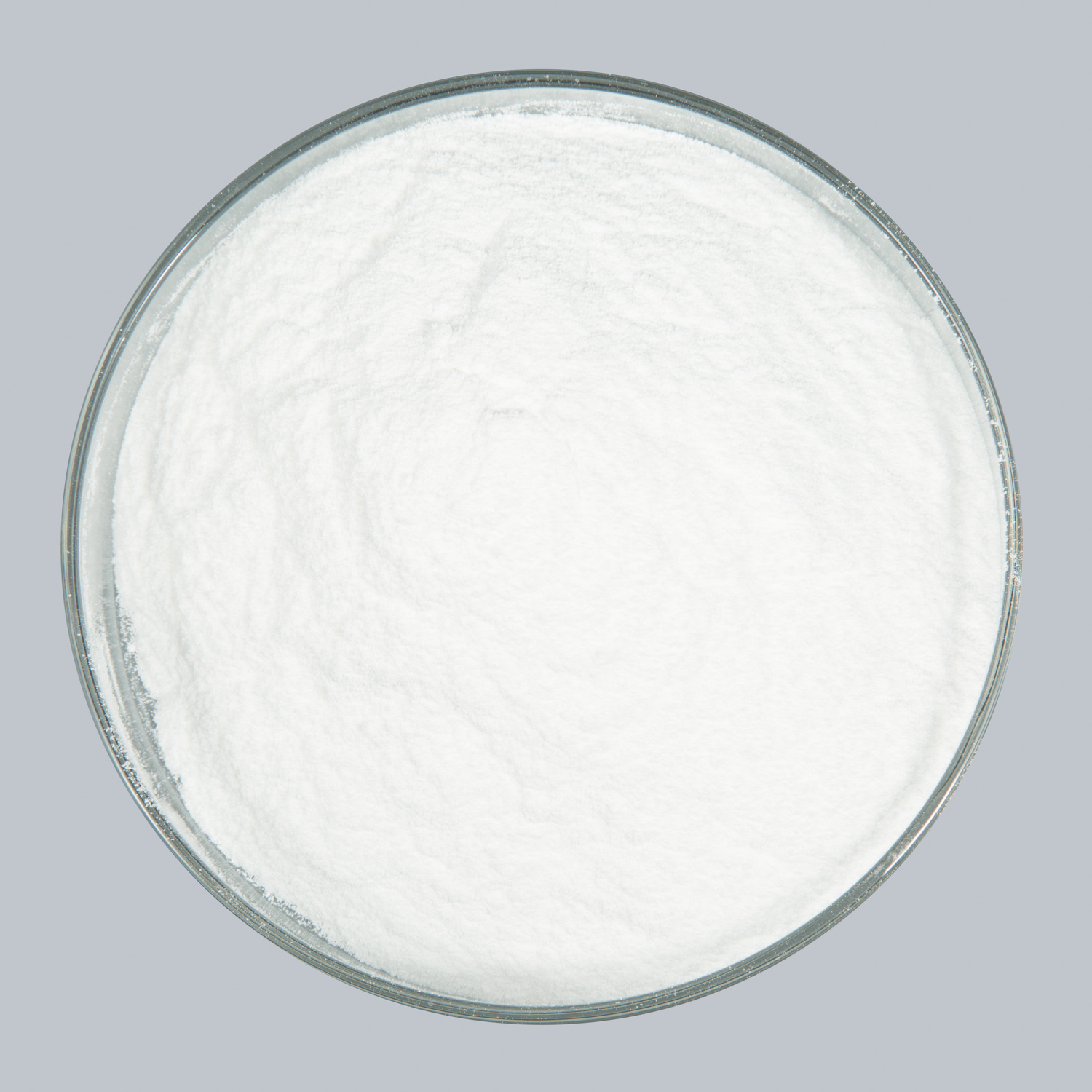

![4-[[[[6-[(Diethylamino)methyl]-2-naphthalenylmethoxy]carbonyllaminolbenzoic acid](https://eimg.pharmasources.com/image/20241206/xJCFsdgfMrHzqjtgeOixhGQHgVbKi7kAcoEqemzE.jpg)