packaging : Length x Width x Height shipping_port :
Product Description
AI Product Description
*The following content is generated by AI and is for reference only.
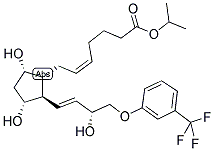
Travoprost is a synthetic prostaglandin F2α analog widely utilized in ophthalmology for the management of elevated intraocular pressure (IOP) associated with open-angle glaucoma and ocular hypertension. Chemically, its molecular formula is C26H40O5, and it is identified by the CAS number 138978-65-5. The drug functions by mimicking the action of endogenous prostaglandins to enhance the outflow of aqueous humor through the uveoscleral pathway, thereby effectively reducing eye pressure. Unlike traditional beta-blockers or cholinergic agents, travoprost offers a once-daily dosing regimen that significantly improves patient compliance and long-term efficacy.
Clinically administered as an ophthalmic solution, usually at a concentration of 0.004%, travoprost provides rapid onset of action with sustained pressure-lowering effects throughout the day. Its formulation often includes benzalkonium chloride as a preservative, though preservative-free versions are increasingly available for patients with sensitive eyes or those requiring frequent administration. Extensive clinical trials have demonstrated that travoprost can lower IOP by approximately 25% to 30% from baseline, making it a first-line therapy alongside other prostaglandin analogs like latanoprost and bimatoprost.
Common side effects include conjunctival hyperemia, iris pigmentation changes, and eyelash growth, which are generally well-tolerated but require monitoring during long-term therapy. While systemic absorption is minimal, caution is advised for patients with a history of intraocular inflammation or cystoid macular edema. Travoprost represents a cornerstone in modern glaucoma treatment, offering a potent mechanism to prevent optic nerve damage and preserve vision. Its chemical stability and favorable pharmacokinetic profile ensure reliable performance across diverse patient populations. As research continues, ongoing studies explore potential synergistic effects when combined with other antihypertensive agents, further solidifying its role in comprehensive eye care strategies globally. This medication remains essential for slowing disease progression and maintaining quality of life for millions of patients worldwide suffering from chronic ocular pressure issues.