Product Description
Pharmaceutical Intermediates
AI Product Description
*The following content is generated by AI and is for reference only.
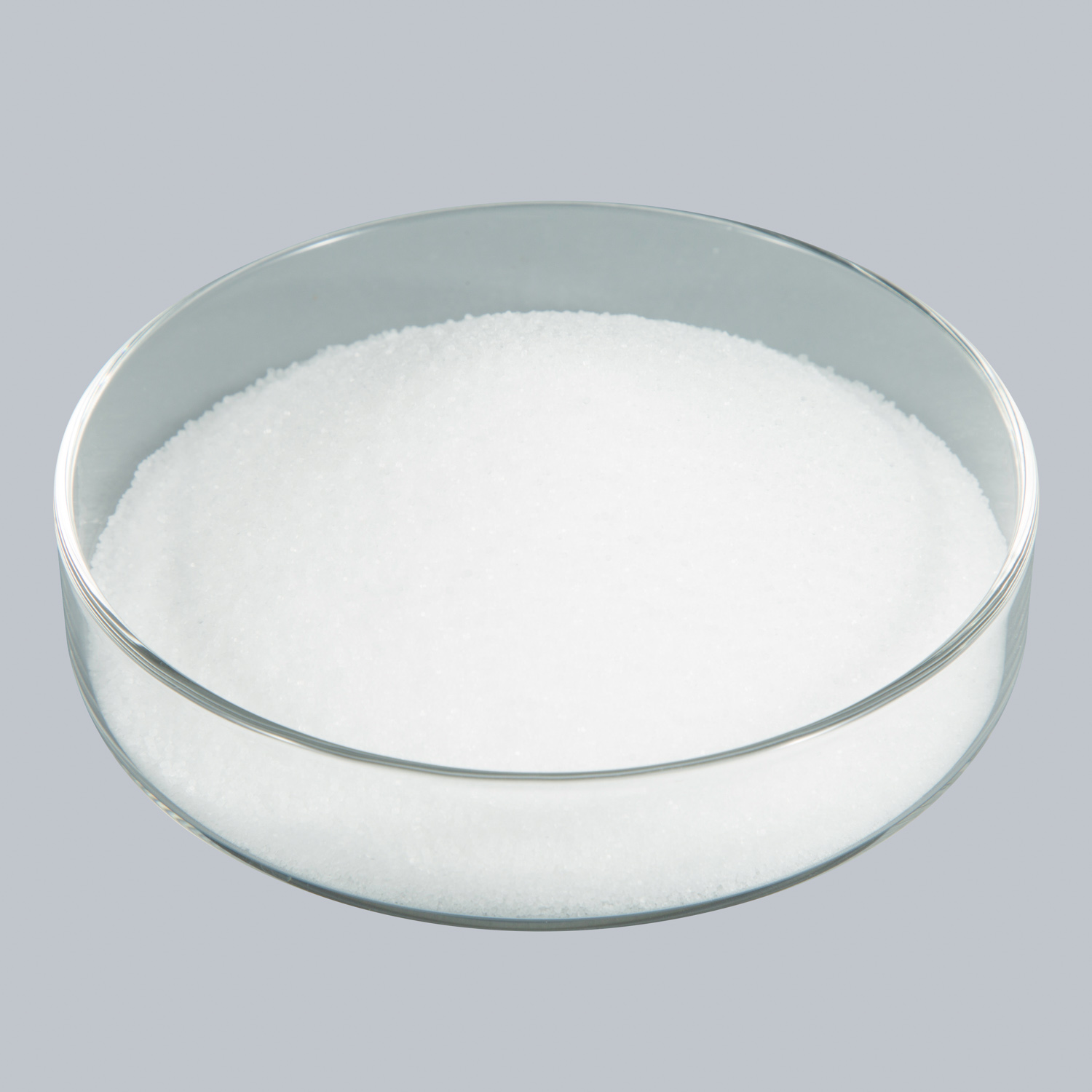
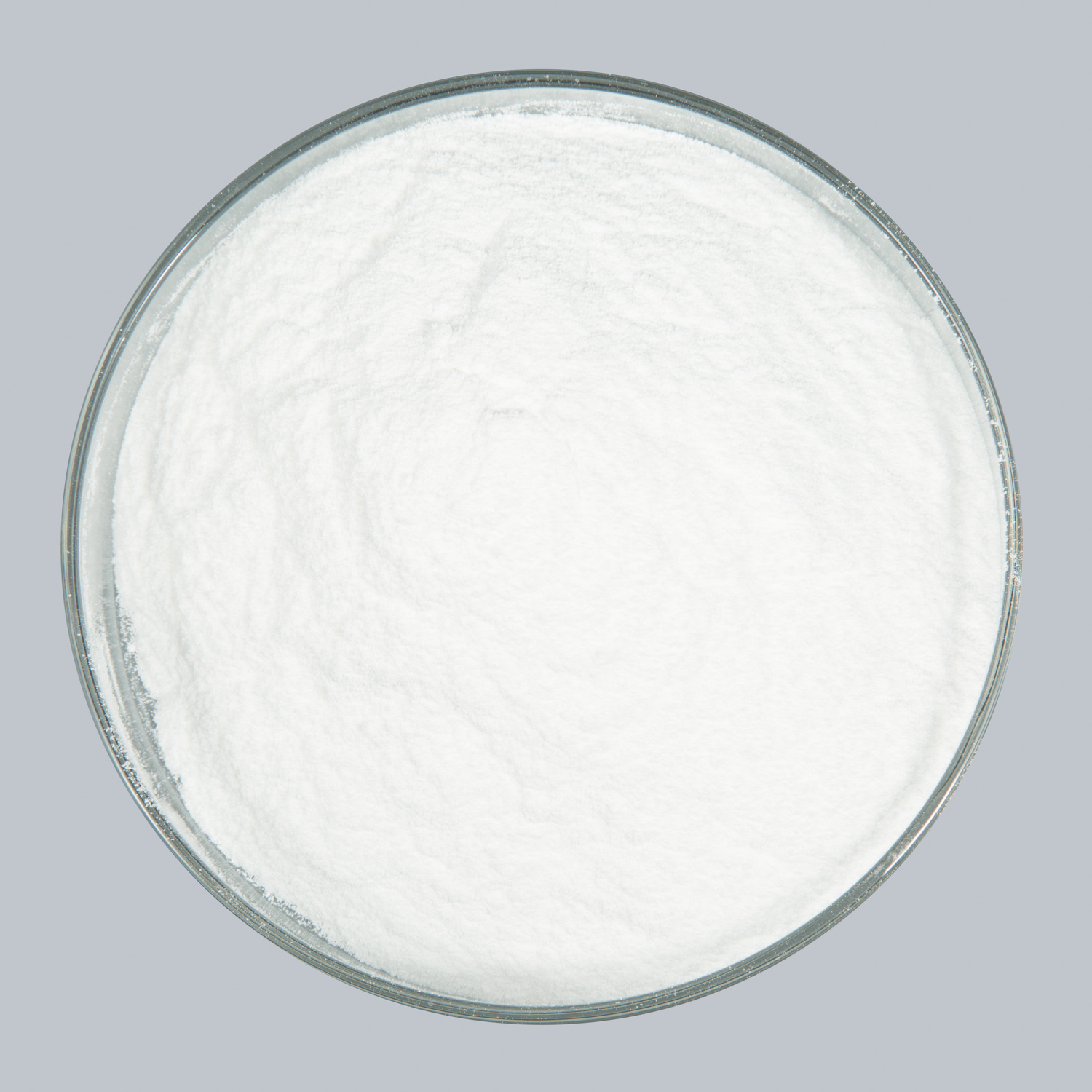
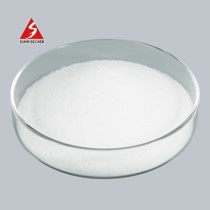
Succinic acid, chemically known as butanedioic acid, is a versatile white crystalline organic compound with the molecular formula C₄H₆O₄. It holds the CAS Registry Number 110-15-6 and serves as a crucial platform chemical in both industrial manufacturing and biological processes. Naturally occurring in the human body as an intermediate in the citric acid cycle (Krebs cycle), it plays a vital role in cellular energy production. In the commercial sector, succinic acid has transitioned from a traditional food additive to a cornerstone of the emerging bio-economy, particularly as a renewable building block for green chemistry initiatives.
The primary applications of succinic acid are diverse and expansive. Historically, it was widely used in the food industry as an acidity regulator and flavor enhancer, often designated by the E-number E363. Today, its most significant growth area lies in the synthesis of biodegradable polymers. Specifically, it is a key monomer for producing polybutylene succinate (PBS) and polybutylene adipate terephthalate (PBAT). These aliphatic polyesters offer excellent biodegradability and compostability, making them ideal alternatives to conventional petroleum-based plastics for packaging, agricultural films, and disposable consumer goods. Furthermore, succinic acid is essential in the pharmaceutical industry as a precursor for various drugs, including anticonvulsants and bronchodilators. It also finds extensive use in the production of unsaturated polyester resins, which are critical components in fiberglass-reinforced composites used in automotive and marine industries. Additionally, it acts as a raw material for solvents like tetrahydrofuran (THF) and surfactants. With global initiatives pushing for carbon neutrality, the fermentation-based production of succinic acid from biomass is gaining momentum, positioning it as a sustainable substitute for petrochemical derivatives. Its unique chemical structure allows for high versatility, ensuring its continued relevance across multiple high-value sectors ranging from agriculture to advanced materials engineering.





 (All Rights Reserved)
![4-[[[[6-[(Diethylamino)methyl]-2-naphthalenylmethoxy]carbonyllaminolbenzoic acid](https://eimg.pharmasources.com/image/20241206/xJCFsdgfMrHzqjtgeOixhGQHgVbKi7kAcoEqemzE.jpg)