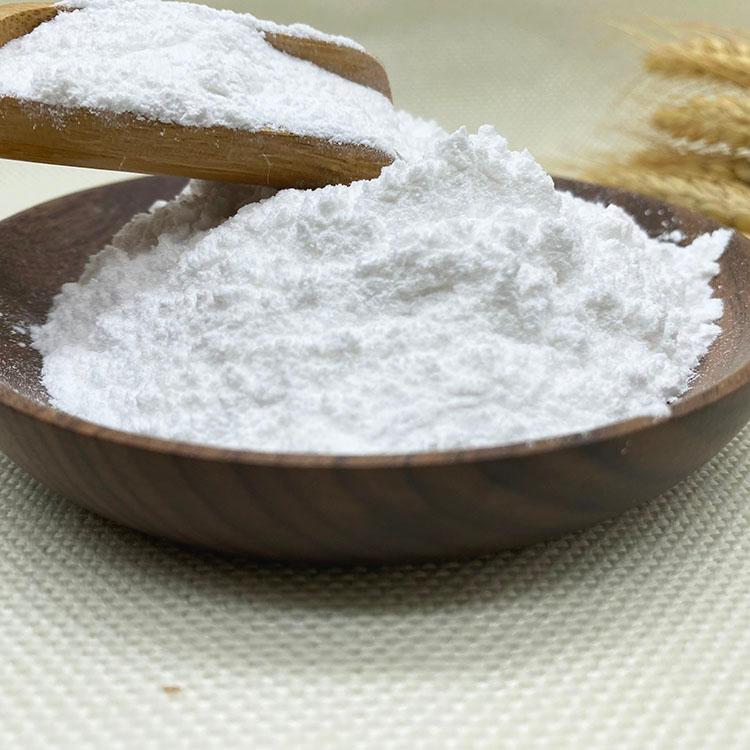
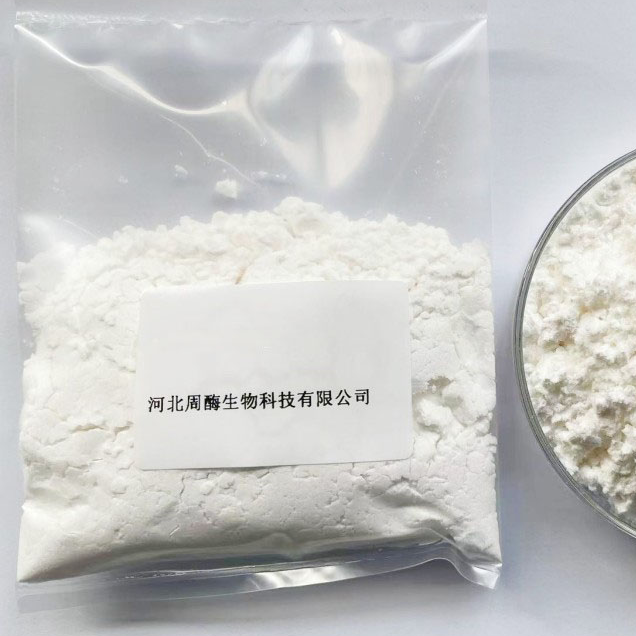
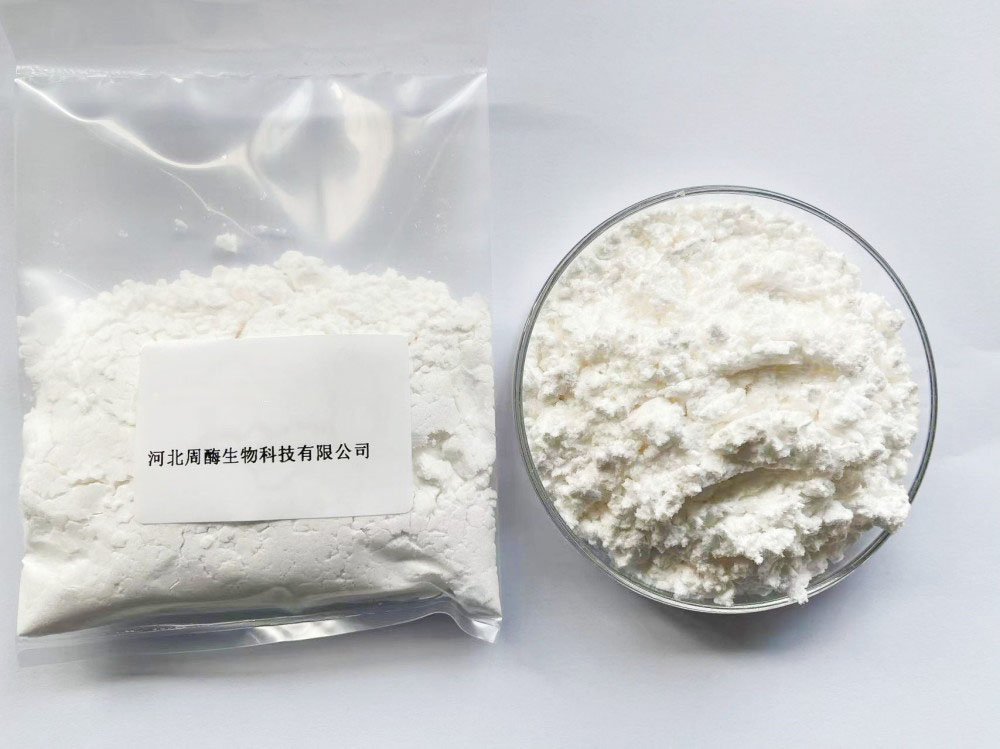
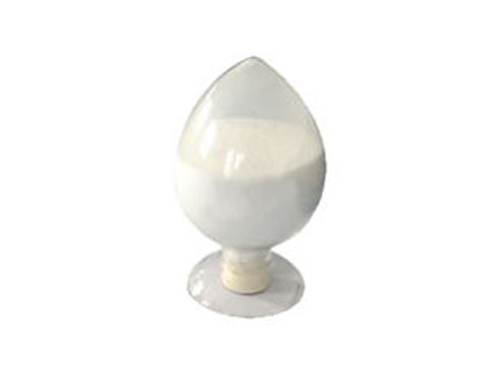
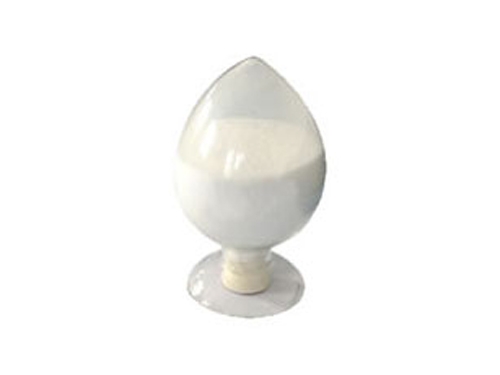
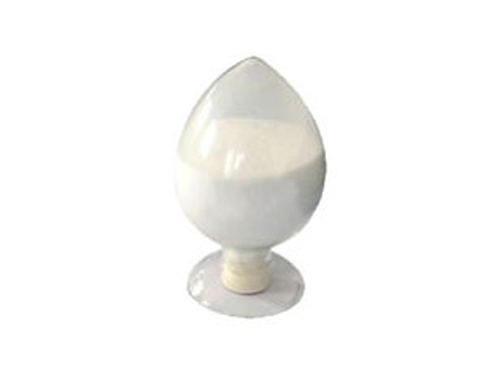
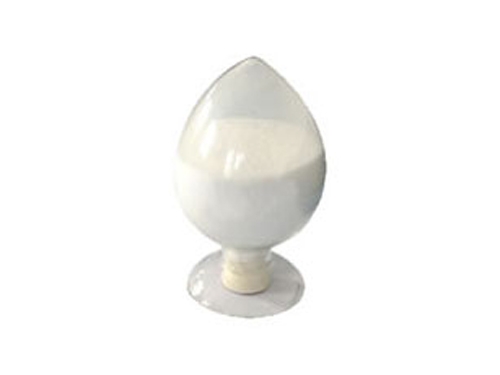
Reb D is a zero calorie natural sweetener produced by enzymatic catalysis technology using Reb A as the substrate. Compared with Reb A, Reb D has a taste closer to sucrose, reducing the bitterness, aftertaste, and licorice taste of steviol glycosides, and increasing sweetness by 250-300 times compared to sucrose.
The Reb D content of steviol glycosides produced by the company can reach over 98%, providing high-quality steviol glycosides products.
*The following content is generated by AI and is for reference only.
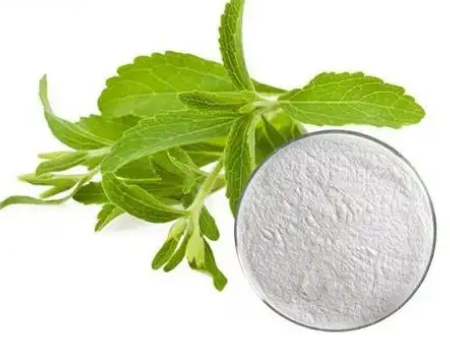
Steviol Glycosides Reb D, or Rebaudioside D, is a high-purity natural sweetener derived from the leaves of the Stevia rebaudiana plant. Chemically classified as a diterpene glycoside, it represents one of the most potent and clean-tasting components within the steviol glycoside family. Its molecular formula is C38H60O19, and it carries the CAS Registry Number 57824-16-3. Structurally, Reb D features an additional glucose moiety attached to the core steviol backbone compared to Rebaudioside A, which significantly enhances its sweetness profile while reducing the characteristic bitter aftertaste often associated with lower-grade stevia extracts.
The primary application of Reb D lies in the food and beverage industry as a zero-calorie sugar substitute. It offers approximately 200 to 300 times the sweetness intensity of sucrose, making it ideal for formulating low-calorie, diabetic-friendly, and weight-management products. Unlike artificial sweeteners such as aspartame or sucralose, Reb D is perceived by consumers as having a more natural origin, aligning with current market trends toward clean-label ingredients. Its stability under heat and varying pH levels allows for versatile use in baked goods, carbonated drinks, dairy products, and tabletop sweeteners. Furthermore, Reb D is increasingly utilized in combination with other steviol glycosides to optimize flavor profiles, masking any metallic or licorice notes that might occur at high concentrations. Regulatory bodies worldwide, including the FDA in the United States and EFSA in Europe, have granted Generally Recognized As Safe (GRAS) status or approved approvals for its use, ensuring its global commercial viability. As consumer demand for healthier alternatives to refined sugars continues to surge, Reb D stands out as a premium ingredient driving innovation in the functional food sector, offering manufacturers a powerful tool to reduce sugar content without compromising taste quality.




 (All Rights Reserved)