Product Description
l-norvaline It is a non natural amino acid widely used in the synthesis of pharmaceutical intermediates such as drugs and inhibitors, as well as in the feed and food industries. L-Valine content above 98.5%
AI Product Description
*The following content is generated by AI and is for reference only.
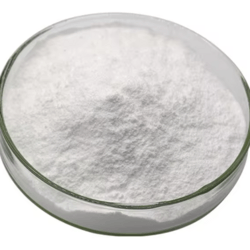
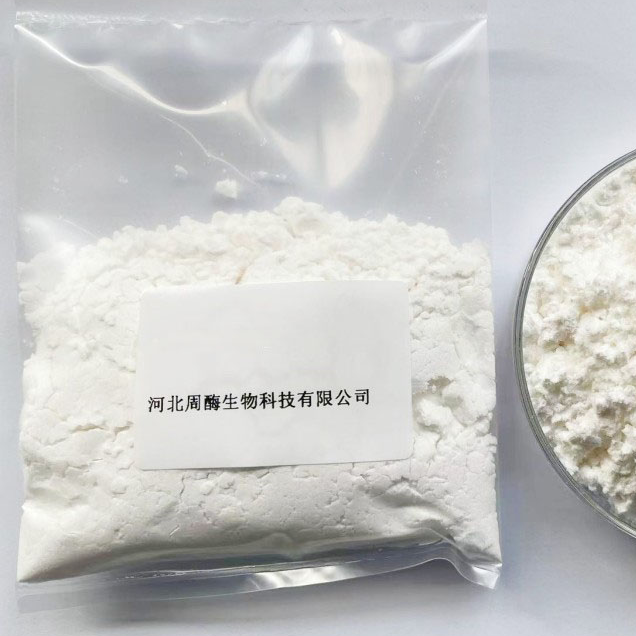
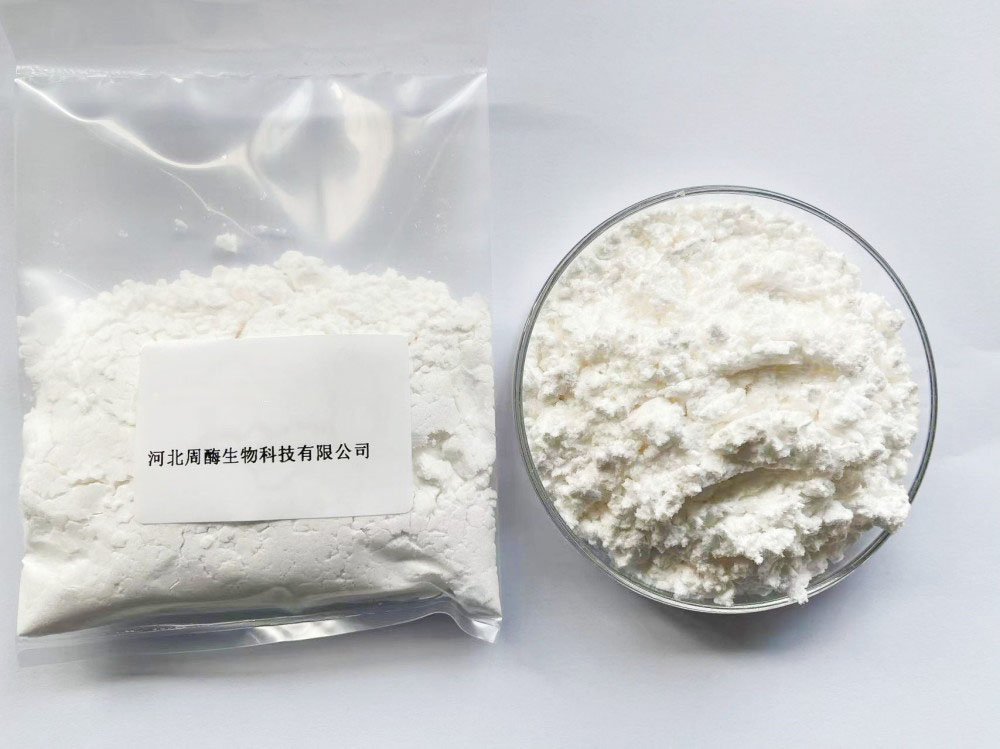
L-Norvaline, chemically designated as 2-aminopentanoic acid, is a non-proteinogenic α-amino acid characterized by a straight-chain butyl side group. With the molecular formula C5H11NO2 and a precise molecular weight of approximately 117.15 g/mol, this compound exists as a white to off-white crystalline powder that is highly soluble in water but insoluble in most organic solvents. Its primary CAS Registry Number is 378-93-6, which serves as its unique identifier for regulatory and scientific databases globally. Structurally, L-Norvaline is the enantiomer of norvaline, possessing the L-configuration essential for biological compatibility and specific enzymatic interactions.
In industrial and research applications, L-Norvaline serves multiple critical functions. In the pharmaceutical sector, it is frequently utilized as a key building block in the synthesis of complex peptide drugs, antibiotics, and novel therapeutic agents targeting metabolic disorders. Due to its structural similarity to natural amino acids like leucine and valine, it acts as a potent inhibitor of certain enzymes involved in protein synthesis, making it a valuable tool in biochemical research for studying cellular metabolism and nitrogen transport mechanisms. Furthermore, it plays a significant role in agricultural science, where it is employed as a component in specialized fertilizers to enhance crop yield and stress resistance.
The compound also finds niche uses in the production of high-performance polymers and chiral catalysts, contributing to advancements in materials science. As a standard reference material, L-Norvaline is indispensable for quality control in amino acid analysis and chromatography calibration. Its stability under various pH conditions allows for versatile application in buffer systems and biological assays. While generally considered safe for handling with standard laboratory precautions, strict adherence to safety protocols is recommended during large-scale synthesis or processing. Overall, L-Norvaline remains a vital chemical intermediate bridging fundamental biochemistry with advanced industrial manufacturing, supporting innovations across healthcare, agriculture, and material engineering sectors through its unique physicochemical properties and biological activity.





 (All Rights Reserved)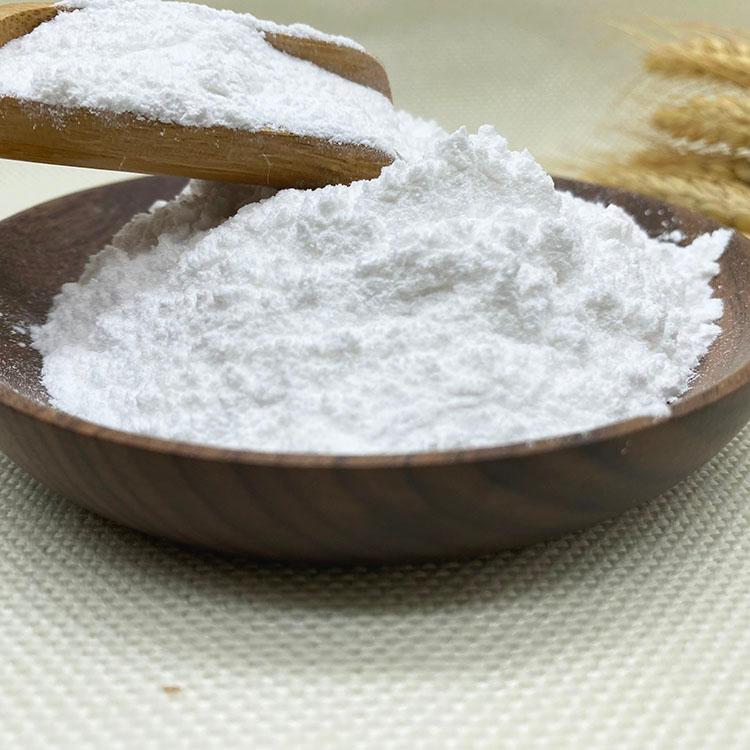



![8,16-Diazadispiro[6.1.6.2]heptadecan-17-one](https://eimg.pharmasources.com/image/product/20250403/ca91cba8b87e53fc879f8d8764873a40jpg)

![8-Oxa-1,3-diazaspiro[4.5]decane-2,4-dione](https://eimg.pharmasources.com/image/product/20250403/60fa7223d5a34f24138486ceea0ffb15jpg)


![6,8-Dioxo-5,7-diazaspiro[3.4]octane-2-carboxylic acid](https://eimg.pharmasources.com/image/product/20250403/02effeb5a7639bc84ff1f3add3c0c64fjpg)

