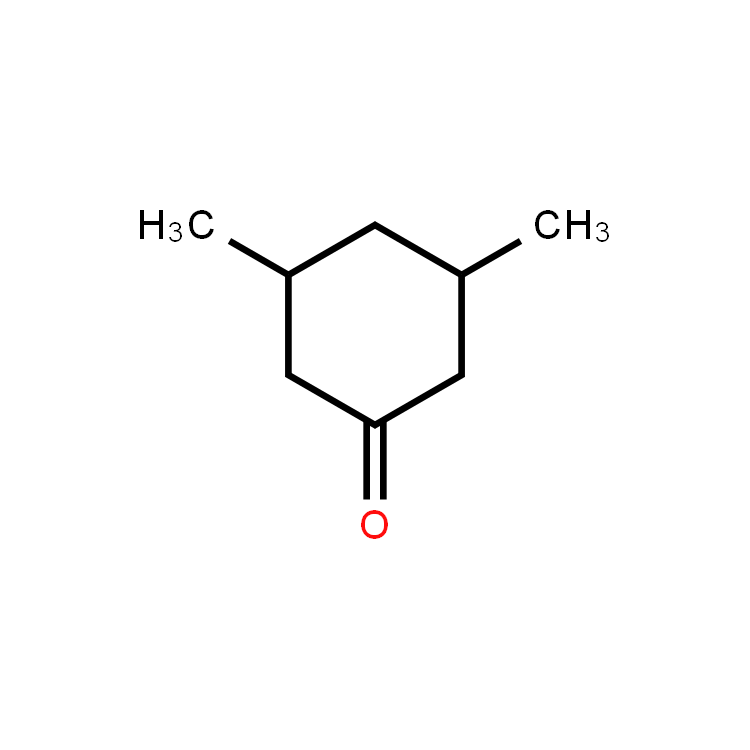
Widely used in the fields of mRNA vaccines and gene therapy, it can enhance the stability and translation efficiency of mRNA, and reduce immunogenicity. Its unique structure makes it an important tool in biomedical research, especially playing a crucial role in vaccine development.
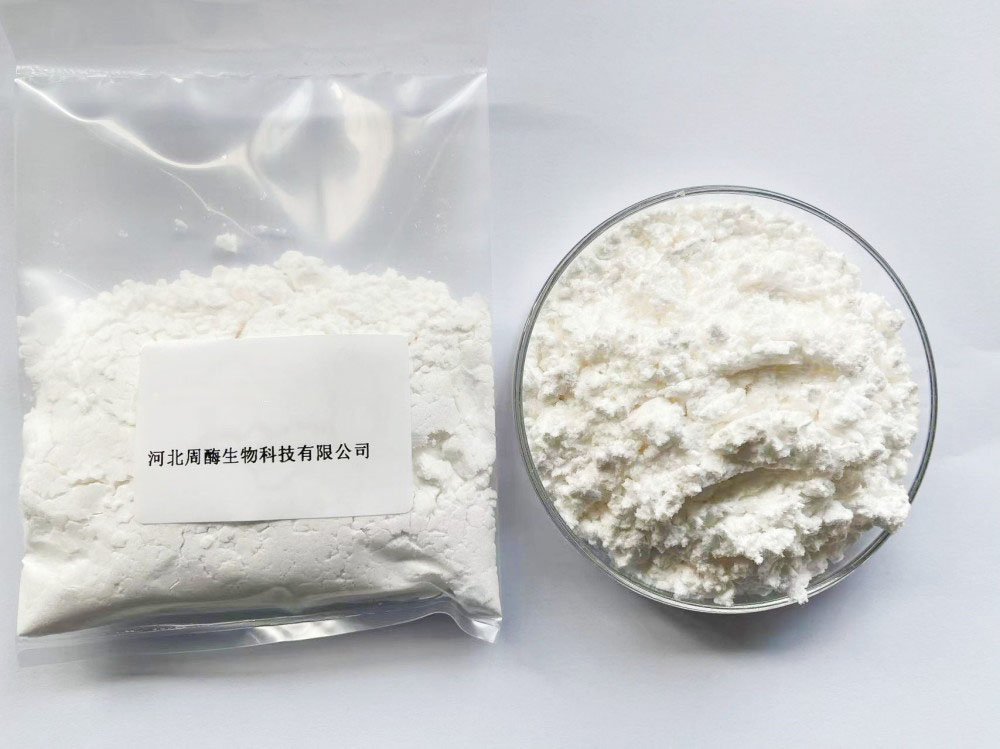
The N1 methyl pseudouridine content is 99%.
*The following content is generated by AI and is for reference only.
N1-methylpseudouridine (m1Ψ) is a chemically modified nucleoside derivative that plays a pivotal role in the advancement of mRNA-based therapeutics and vaccines. Structurally, it serves as an analog to the natural nucleoside pseudouridine, distinguished by the addition of a methyl group at the N1 position. Its molecular formula is C10H14N2O6, and it is identified by the CAS number 137966-78-6. This modification is not merely a structural curiosity but a critical innovation designed to enhance the efficacy and safety profile of synthetic messenger RNA.
In the realm of biotechnology, m1Ψ is primarily utilized as a key building block for synthesizing self-amplifying and non-replicating mRNA molecules. The most significant advantage of incorporating m1Ψ into mRNA sequences is its ability to significantly reduce immunogenicity. Natural RNA often triggers innate immune responses via pattern recognition receptors like Toll-like receptors, leading to inflammation and rapid degradation of the therapeutic payload. By substituting uridine with m1Ψ, manufacturers can effectively "mask" the RNA from the host immune system, thereby minimizing inflammatory reactions while simultaneously increasing the stability and translational efficiency of the transcript. This results in higher protein expression levels, which is essential for vaccine development and gene therapy applications.
Furthermore, m1Ψ has been instrumental in the successful deployment of lipid nanoparticle (LNP)-encapsulated mRNA vaccines against infectious diseases. It ensures that the delivered genetic code remains intact long enough to be translated into functional antigens within host cells without causing adverse immune side effects. Beyond vaccines, research suggests potential applications in regenerative medicine and cancer immunotherapy, where precise control over protein production is vital. As the field of nucleic acid therapeutics continues to evolve, m1Ψ remains a cornerstone compound, enabling the creation of safer, more potent, and longer-lasting treatments for a wide array of medical conditions. Its unique chemical properties make it indispensable for next-generation drug delivery systems aiming to revolutionize modern medicine.




 (All Rights Reserved)


![6,8-Dioxo-5,7-diazaspiro[3.4]octane-2-carboxylic acid](https://eimg.pharmasources.com/image/product/20250403/02effeb5a7639bc84ff1f3add3c0c64fjpg)
![8-Oxa-1,3-diazaspiro[4.5]decane-2,4-dione](https://eimg.pharmasources.com/image/product/20250403/60fa7223d5a34f24138486ceea0ffb15jpg)
![8,16-Diazadispiro[6.1.6.2]heptadecan-17-one](https://eimg.pharmasources.com/image/product/20250403/ca91cba8b87e53fc879f8d8764873a40jpg)