Product Description
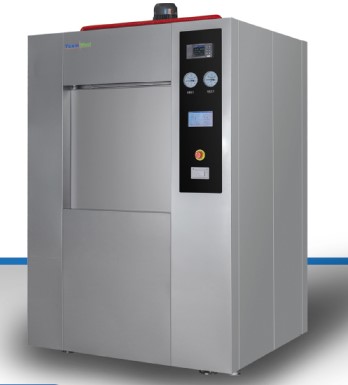
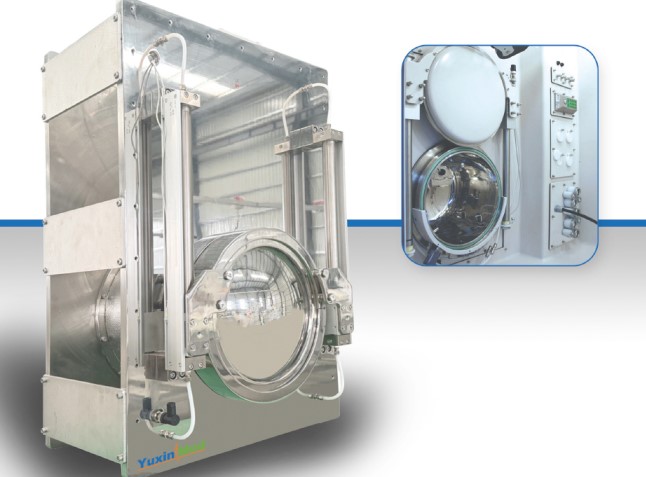
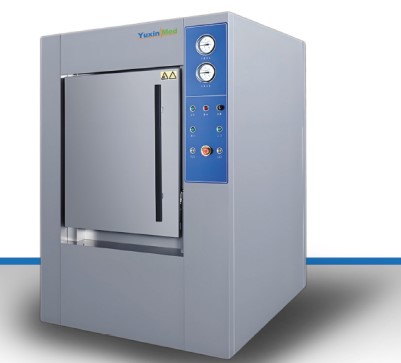
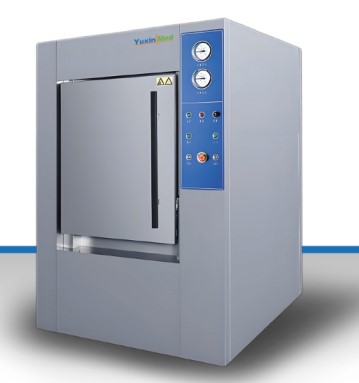
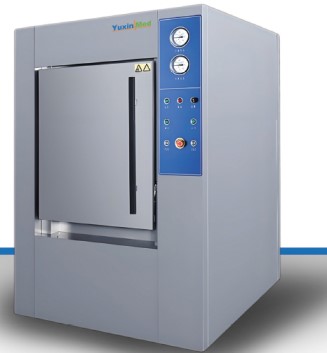
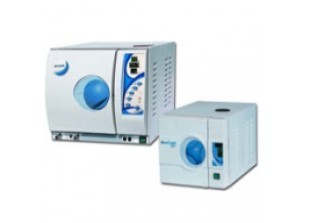
Steam sterilization of research tools and consumables is convenient and affordable thanks to the new line of Sterlitech digital research autoclaves. With a width under 18 inches for the standard research autoclave and under 14 inches for the Mini, both of these compact research autoclaves will fit comfortably on even the most crowded benchtop.
AI Product Description
*The following content is generated by AI and is for reference only.
Research Autoclaves are indispensable instruments in scientific laboratories, designed to sterilize equipment, media, and waste materials through the application of high-pressure saturated steam. By operating at temperatures typically ranging from 121°C to 134°C under elevated pressure, these devices effectively eliminate all forms of microbial life, including bacteria, viruses, fungi, and highly resistant bacterial spores. This rigorous sterilization process is critical for maintaining aseptic conditions in cell culture, microbiology, pharmaceutical research, and biohazardous waste management, ensuring that experimental results remain uncontaminated and laboratory personnel are protected from potential pathogens.
The versatility of modern research autoclaves extends beyond simple sterilization; many models feature programmable cycles to accommodate diverse load types, such as liquids, porous materials, or sharps, with specific parameters for drying and cooling phases. Advanced units often include digital interfaces, data logging capabilities, and safety interlocks to ensure operational reliability and regulatory compliance. However, strict adherence to safety protocols is paramount when operating this high-energy equipment. Users must never attempt to open the chamber while internal pressure remains, as this can cause violent steam explosions or severe scalding injuries. Additionally, liquid loads require careful venting procedures to prevent boil-over, which could damage the unit or contaminate the environment.
Proper loading techniques are equally important; items should be arranged to allow adequate steam circulation, avoiding overpacking which leads to incomplete sterilization. Regular maintenance, including gasket inspection and calibration verification, ensures consistent performance and longevity. Furthermore, operators must always wear appropriate personal protective equipment, such as heat-resistant gloves and face shields, during operation and unloading. Understanding the specific limitations of the autoclave model regarding material compatibility is also essential, as certain plastics or chemicals may degrade under high-temperature conditions. Ultimately, the responsible use of research autoclaves safeguards both scientific integrity and laboratory safety, making them a cornerstone of modern biomedical and chemical research facilities worldwide.





 (All Rights Reserved)