Product Description
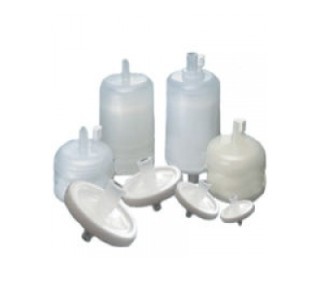
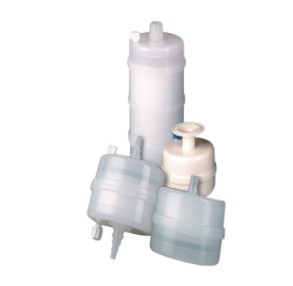
Sterlitech offers capsule filters in all manner of materials and sizes for your laboratory filtration needs. Made to order capsule filters are available with fully customizable connections and filter material.
AI Product Description
*The following content is generated by AI and is for reference only.
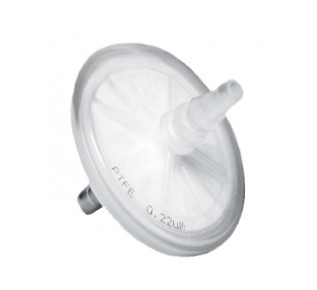
Syringe filters are essential laboratory tools designed to remove particulate matter, bacteria, and other contaminants from liquid samples prior to analysis. Primarily consisting of a filter membrane housed within a plastic housing with Luer-lock or Luer-slip fittings, these devices connect directly to standard syringes, enabling rapid filtration of small volumes ranging from 0.5 mL to 100 mL. They are widely utilized in chromatography (HPLC, GC), cell culture, pharmaceutical formulation, and environmental testing to ensure sample clarity and protect sensitive instrumentation from clogging.
The choice of filter material is critical for compatibility with the specific solvent or biological matrix being processed. Common membrane types include nylon for general aqueous and organic use, PTFE for aggressive solvents and air filtration, PVDF for protein retention reduction, and PES for high flow rates in aqueous solutions. The pore size, typically available in 0.22 µm for sterilization or 0.45 µm for general clarification, determines the level of particle removal required. Pre-sterilized options are often preferred for microbiological applications to maintain aseptic conditions.
Several operational precautions must be observed to ensure safety and data integrity. First, verify chemical compatibility between the filter membrane and the sample solvent; incompatible combinations can cause membrane degradation or leaching of extractables into the filtrate. Second, apply pressure gently during manual operation to avoid exceeding the burst pressure limit, which could rupture the membrane or damage the housing. For viscous samples, pre-filtration with a larger pore size may be necessary to prevent rapid clogging. Additionally, always wear appropriate personal protective equipment when handling hazardous chemicals, as the filtration process can generate aerosols. Finally, ensure the correct orientation of the filter if applicable, although most modern designs are non-directional. By adhering to these guidelines and selecting the appropriate specifications, researchers can achieve reliable results while extending the lifespan of their analytical equipment.





 (All Rights Reserved)