Product Description
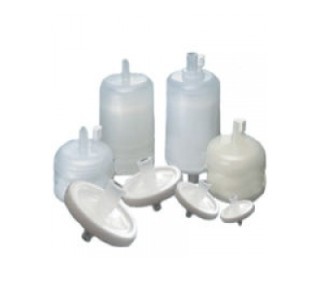
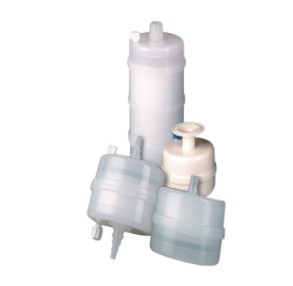
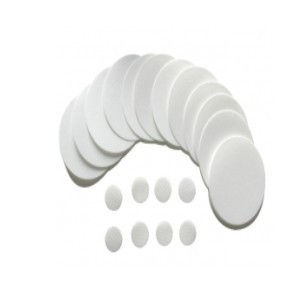
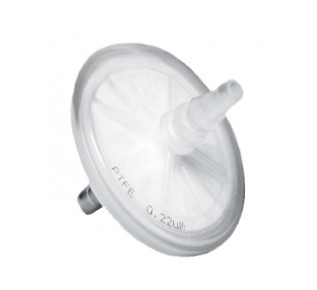
Sterlitech offers syringe filters and capsule filters in all manner of materials and sizes for your laboratory filtration needs. Made to order syringe filters are available with fully customizable connections and filter material.
AI Product Description
*The following content is generated by AI and is for reference only.
Syringe filters are essential laboratory consumables designed for the rapid filtration of small liquid volumes, typically ranging from 0.5 mL to 100 mL. Their primary function is to remove particulate matter, bacteria, or other contaminants from samples prior to analysis using high-performance liquid chromatography (HPLC), gas chromatography (GC), or mass spectrometry (MS). By ensuring sample clarity and sterility, these filters prevent clogging of sensitive instrument components, such as injector valves and columns, thereby extending equipment lifespan and maintaining data integrity.
These devices consist of a filter membrane housed within a plastic barrel that connects directly to a standard Luer-lock syringe. The membranes are available in various materials, including polyvinylidene fluoride (PVDF), nylon, polytetrafluoroethylene (PTFE), and cellulose acetate, each selected based on specific chemical compatibility with the solvent and the nature of the target analyte. Pore sizes generally range from 0.1 µm for sterilization to 5.0 µm for coarse clarification. Users must carefully match the filter material to their solvent; for instance, PVDF offers excellent flow rates for aqueous solutions, while PTFE is preferred for aggressive organic solvents due to its superior chemical resistance.
Critical precautions include verifying the hydrophobicity or hydrophilicity of the membrane relative to the sample. Hydrophobic filters require wetting with ethanol or methanol before filtering aqueous samples to ensure proper flow. Additionally, operators should avoid exceeding the pressure limits of the syringe filter assembly to prevent membrane rupture or seal failure. Always perform a pre-wash step with the same solvent used in the sample to minimize analyte adsorption, particularly when working with low-concentration compounds. Proper disposal is also vital, as used filters may contain hazardous biological or chemical waste. Adhering to these guidelines ensures optimal filtration performance and reliable analytical results across diverse scientific applications.





 (All Rights Reserved)