Product Description
请给我打电话,了解更多
Merck Chemicals (Shanghai) Co., Ltd. is the subsidiary of the globally operating group Merck KGaA, Darmstadt (Germany) and provides Chinese market with high quality life science and chemical products and services
The contact persons for the specific product groups of the Chemicals businesses are listed on the website of Merck Group in China.
AI Product Description
*The following content is generated by AI and is for reference only.
Mobile Phases are essential solvents or solvent mixtures used in liquid chromatography (LC) and high-performance liquid chromatography (HPLC) to transport analytes through a stationary phase column. Their primary function is to facilitate the separation, identification, and quantification of components within complex mixtures. By adjusting the composition, polarity, pH, and ionic strength of the mobile phase, analysts can precisely control the retention time and selectivity of target compounds, ensuring optimal resolution between closely related substances. These phases are critical in diverse fields including pharmaceutical quality control, environmental monitoring, food safety testing, and forensic analysis.
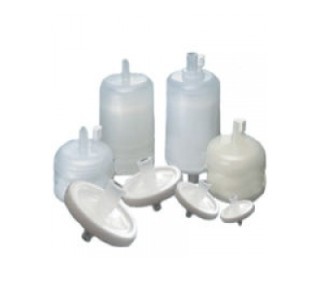
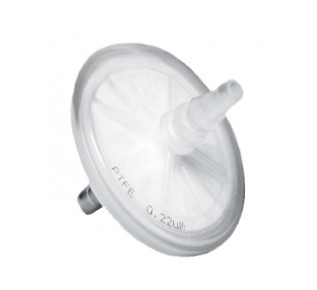
When handling Mobile Phases, strict adherence to safety protocols is mandatory due to the potential hazards associated with organic solvents such as acetonitrile, methanol, and tetrahydrofuran. Users must always wear appropriate personal protective equipment, including nitrile gloves, safety goggles, and lab coats, while working in well-ventilated areas or fume hoods to prevent inhalation of toxic vapors. Many mobile phase components are highly flammable; therefore, they must be stored away from ignition sources and incompatible materials like strong oxidizers. It is crucial to filter all solvents through 0.2-micron filters before use to remove particulate matter that could clog sensitive HPLC columns or damage pumps. Additionally, degassing the mobile phase is often necessary to eliminate dissolved gases, which can cause bubble formation in detectors and lead to baseline instability or erratic flow rates.
Proper storage involves keeping containers tightly sealed in cool, dark places to minimize evaporation and degradation caused by light or heat. Mixing ratios should be prepared accurately using volumetric glassware to ensure reproducibility across different runs. Always consult the specific Material Safety Data Sheet (MSDS) for the exact chemical composition being used, as disposal requirements vary significantly based on local regulations regarding hazardous waste. Neglecting these precautions can compromise analytical results, damage expensive instrumentation, and pose serious health risks to laboratory personnel. Ultimately, the careful selection and management of mobile phases are fundamental to achieving reliable, high-quality chromatographic data.






 (All Rights Reserved)