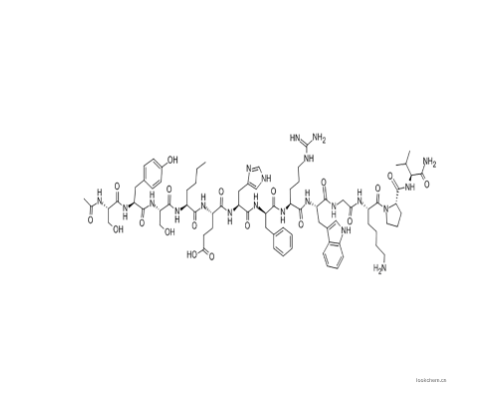
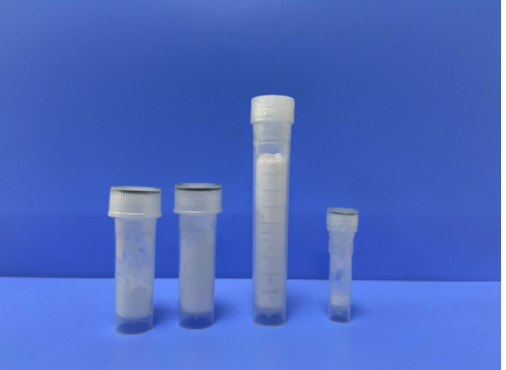
Product Description
Hangzhou Go Top Peptide Biotech Co., Ltd. is a national high-tech enterprise specializing in the research and development and production of peptides and related derivatives. It provides peptide-related custom synthesis and technology for domestic and foreign medical research and development, biotechnology, universities and scientific research institutions service. For consultation or ordering, please contact:86-571-88211951, 86-13588827304 (Cindy Mei), sales146@gotopbio.com
AI Product Description
*The following content is generated by AI and is for reference only.
Polystyrene resin is a widely utilized synthetic aromatic polymer derived from the monomer styrene. Its chemical structure consists of long chains of carbon atoms with phenyl groups attached to every other carbon atom in the backbone, giving it the general formula (C₈H₈)ₙ. The primary CAS registry number associated with this versatile material is 9003-53-6, though specific variants may have distinct identifiers based on their molecular weight or modification levels. This thermoplastic resin is renowned for its clarity, rigidity, and ease of processing, making it a cornerstone material across numerous industrial sectors.
In its general purpose form, polystyrene is transparent and brittle, often used to manufacture disposable cutlery, CD cases, and laboratory ware where optical clarity is essential. Expanded polystyrene (EPS), a foamed version of the resin, serves as an exceptional thermal insulator and protective packaging material due to its lightweight nature and ability to absorb shock. It is extensively employed in construction for wall insulation and in the shipping industry for cushioning fragile goods. Additionally, high-impact polystyrene (HIPS), created by blending rubber into the base resin, offers enhanced toughness and is commonly found in appliance housings, toys, and automotive interior components.
The production process typically involves free radical polymerization, which allows for precise control over molecular weight and branching. While polystyrene is chemically resistant to water and many acids, it is susceptible to attack by organic solvents like acetone and chlorinated hydrocarbons. Environmental concerns regarding its persistence and difficulty in biodegradation have spurred significant research into recycling technologies and bio-based alternatives. Despite these challenges, its low cost, versatility, and favorable physical properties ensure that polystyrene resin remains one of the most produced plastics globally. From consumer electronics to medical devices, its applications continue to expand, driven by ongoing innovations in polymer science and manufacturing efficiency. As industries seek sustainable solutions, the development of recyclable grades and circular economy models for polystyrene is becoming increasingly critical for its future longevity.






 (All Rights Reserved)