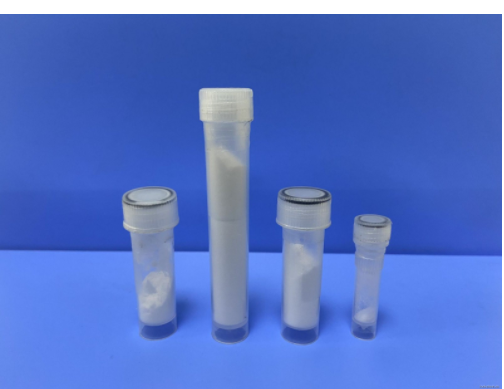
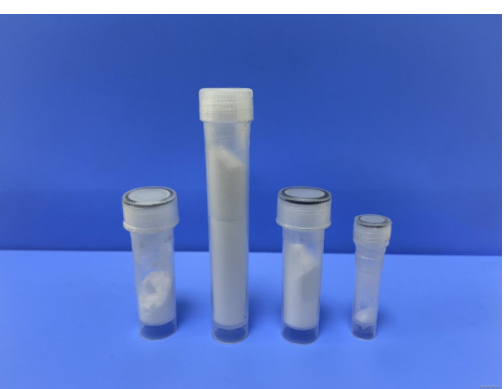
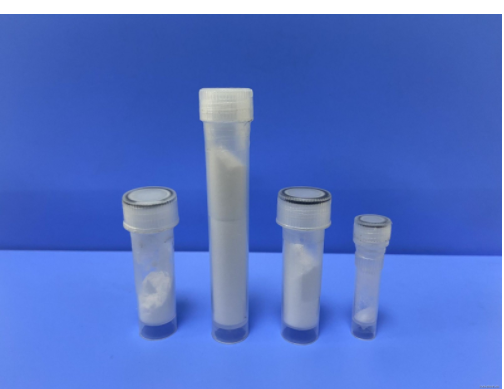
Appearance: White powder Purity (HPLC) ≥98.0% Acetate content 5.0%~12.0% Moisture content≤8.0% Peptide content ≥80.0% Packing and shipping: Low temperature, vacuum packaging, accurate to milligrams according to requirements. Storage method: freeze-dry at -20°C and store away from light Remarks: For research only, not for humans
*The following content is generated by AI and is for reference only.
Ac-α-Melanotropin (swine), 4-L-norleucine is a chemically modified analog of the naturally occurring α-melanocyte-stimulating hormone (α-MSH). While native swine α-MSH consists of a decapeptide sequence, this specific derivative features the substitution of the fourth amino acid residue with L-norleucine. This structural modification is strategically employed to enhance metabolic stability and prolong the biological half-life of the peptide without significantly compromising its receptor binding affinity. The molecular formula for this compound is typically C53H82N16O10S, reflecting the addition of the norleucine side chain compared to the standard sequence. Its CAS registry number is 107969-97-5, which serves as a unique identifier for precise cataloging in chemical databases and scientific literature.
This bioactive peptide acts primarily as an agonist at melanocortin receptors, specifically targeting MC1R on melanocytes and MC4R in the central nervous system. In research settings, it is extensively utilized to investigate pigmentary disorders, such as vitiligo or melasma, by stimulating melanin production. Furthermore, due to its role in energy homeostasis and appetite regulation via the hypothalamic pathway, it serves as a critical tool in obesity and metabolic syndrome studies. Scientists often employ this analog to distinguish between receptor subtypes and to explore potential therapeutic avenues for skin pigmentation abnormalities and weight management. Unlike the native hormone, which is rapidly degraded by proteolytic enzymes in vivo, the incorporation of L-norleucine at position four provides resistance to enzymatic cleavage, making it a superior candidate for long-term experimental protocols requiring sustained signaling activity. It is supplied in high purity for in vitro cell culture assays and in vivo animal models, facilitating rigorous analysis of melanocortin system dynamics. Researchers must handle this reagent under controlled conditions to maintain integrity, ensuring accurate data regarding receptor pharmacology and downstream signaling cascades in various physiological contexts.

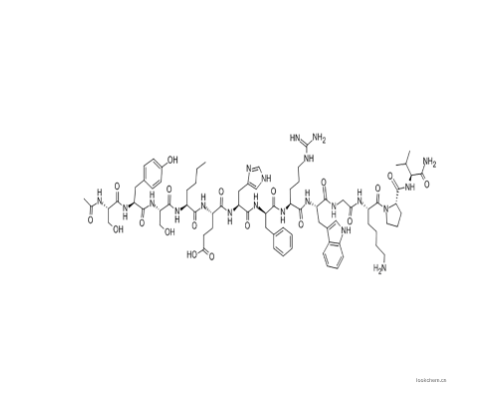




 (All Rights Reserved)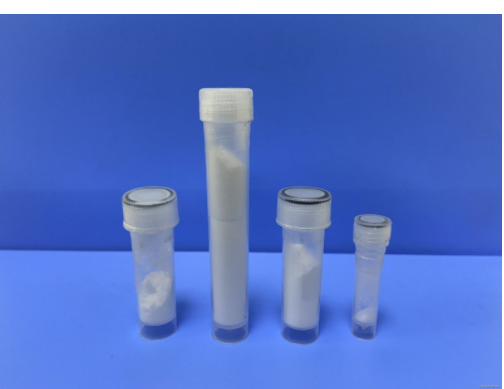


![8-Oxa-1,3-diazaspiro[4.5]decane-2,4-dione](https://eimg.pharmasources.com/image/product/20250403/60fa7223d5a34f24138486ceea0ffb15jpg)
![8,16-Diazadispiro[6.1.6.2]heptadecan-17-one](https://eimg.pharmasources.com/image/product/20250403/ca91cba8b87e53fc879f8d8764873a40jpg)
![6,8-Dioxo-5,7-diazaspiro[3.4]octane-2-carboxylic acid](https://eimg.pharmasources.com/image/product/20250403/02effeb5a7639bc84ff1f3add3c0c64fjpg)