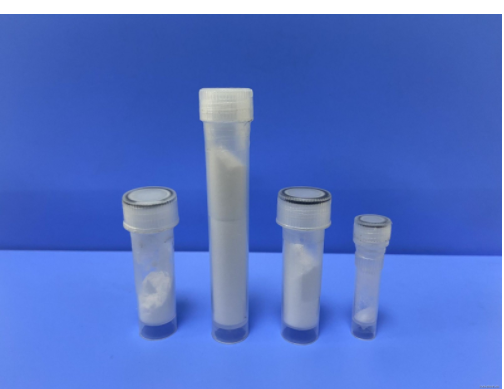
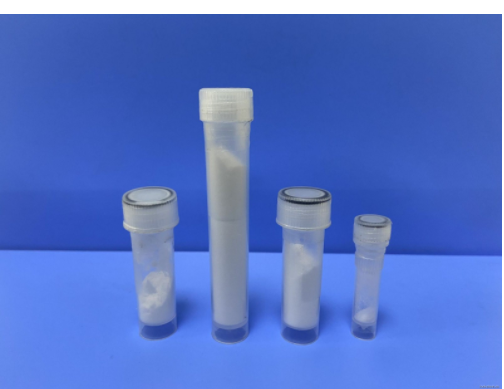
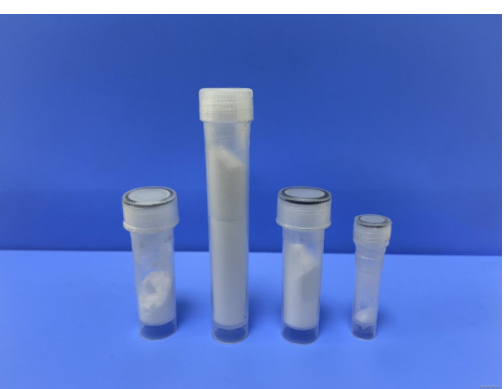
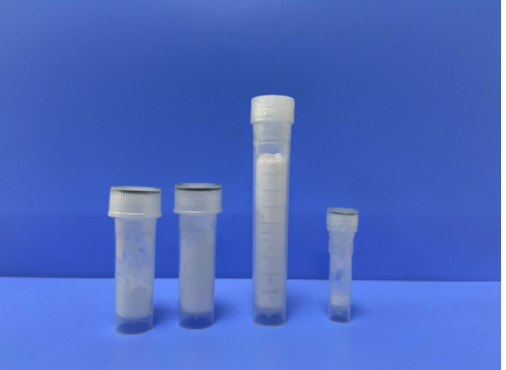
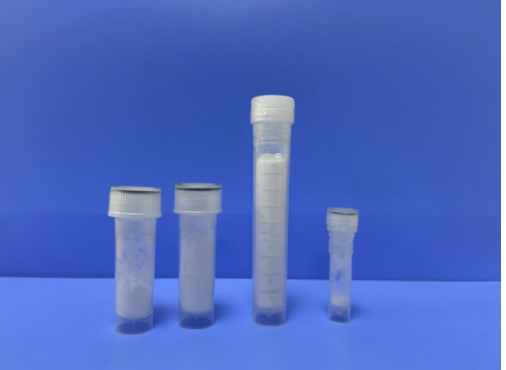
Brand: Gutuo Appearance: white solid Storage: shading, cool and dry, sealed and stored Purity: ≥99% Main use: pharmaceutical intermediates Executive standard: enterprise standard Specification: 25kg/barrel or 1kg/bag (subject to customer requirements) Sales scope: nationwide
*The following content is generated by AI and is for reference only.
L-Tryptophan, L-valyl- is a dipeptide derivative formed by the condensation of two essential amino acids: L-tryptophan and L-valine. This compound belongs to the broader class of bioactive peptides, which play critical roles in various physiological processes including protein synthesis, metabolic regulation, and neurotransmitter modulation. While specific commercial availability may vary depending on regional suppliers and research demand, this molecule is primarily utilized in scientific research contexts rather than as a direct consumer product.
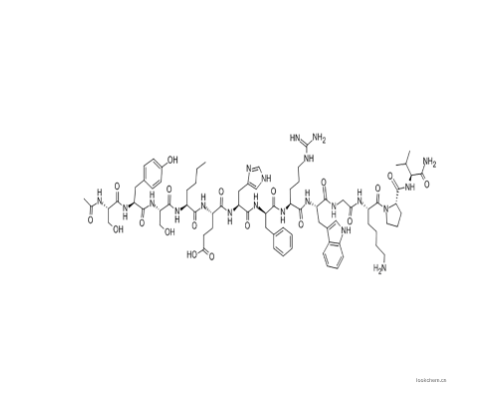
The molecular structure of L-Tryptophan, L-valyl- consists of a tryptophan residue linked via a peptide bond to a valine residue. The exact molecular formula typically reflects the combination of these two amino acid units minus one water molecule resulting from the dehydration synthesis process. Although precise CAS registry numbers are often assigned to specific stereoisomers or salt forms, general dipeptide derivatives like this are frequently cataloged under distinct identifiers for laboratory procurement. Researchers utilize such compounds to study enzymatic hydrolysis pathways, investigate peptide transport mechanisms across biological membranes, and explore potential therapeutic applications in neurological disorders or metabolic conditions. Tryptophan is well-known for its role as a precursor to serotonin and melatonin, while valine serves as a branched-chain amino acid vital for muscle metabolism; their combined presence in a dipeptide form offers unique insights into how peptide bonds influence bioavailability and absorption rates compared to free amino acids.
In pharmaceutical development, this dipeptide may serve as a model substrate for evaluating protease specificity or as a building block for synthesizing more complex peptide-based therapeutics. Additionally, it finds application in nutritional science studies aiming to optimize amino acid delivery systems for patients with malabsorption issues. Despite its specialized nature, L-Tryptophan, L-valyl- remains an important tool for understanding fundamental biochemical interactions within living organisms. Its stability, solubility characteristics, and reactivity profiles make it suitable for in vitro experiments, though handling requires adherence to standard laboratory safety protocols. As research continues to advance in the field of peptidomics, compounds of this nature will likely gain increased attention for their potential to bridge gaps between basic amino acid biology and advanced drug design strategies.





 (All Rights Reserved)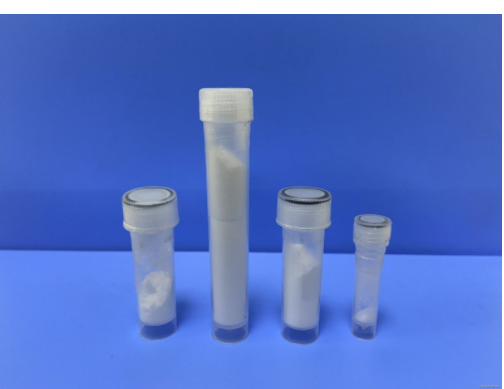


![6,8-Dioxo-5,7-diazaspiro[3.4]octane-2-carboxylic acid](https://eimg.pharmasources.com/image/product/20250403/02effeb5a7639bc84ff1f3add3c0c64fjpg)
![8-Oxa-1,3-diazaspiro[4.5]decane-2,4-dione](https://eimg.pharmasources.com/image/product/20250403/60fa7223d5a34f24138486ceea0ffb15jpg)



![8,16-Diazadispiro[6.1.6.2]heptadecan-17-one](https://eimg.pharmasources.com/image/product/20250403/ca91cba8b87e53fc879f8d8764873a40jpg)


