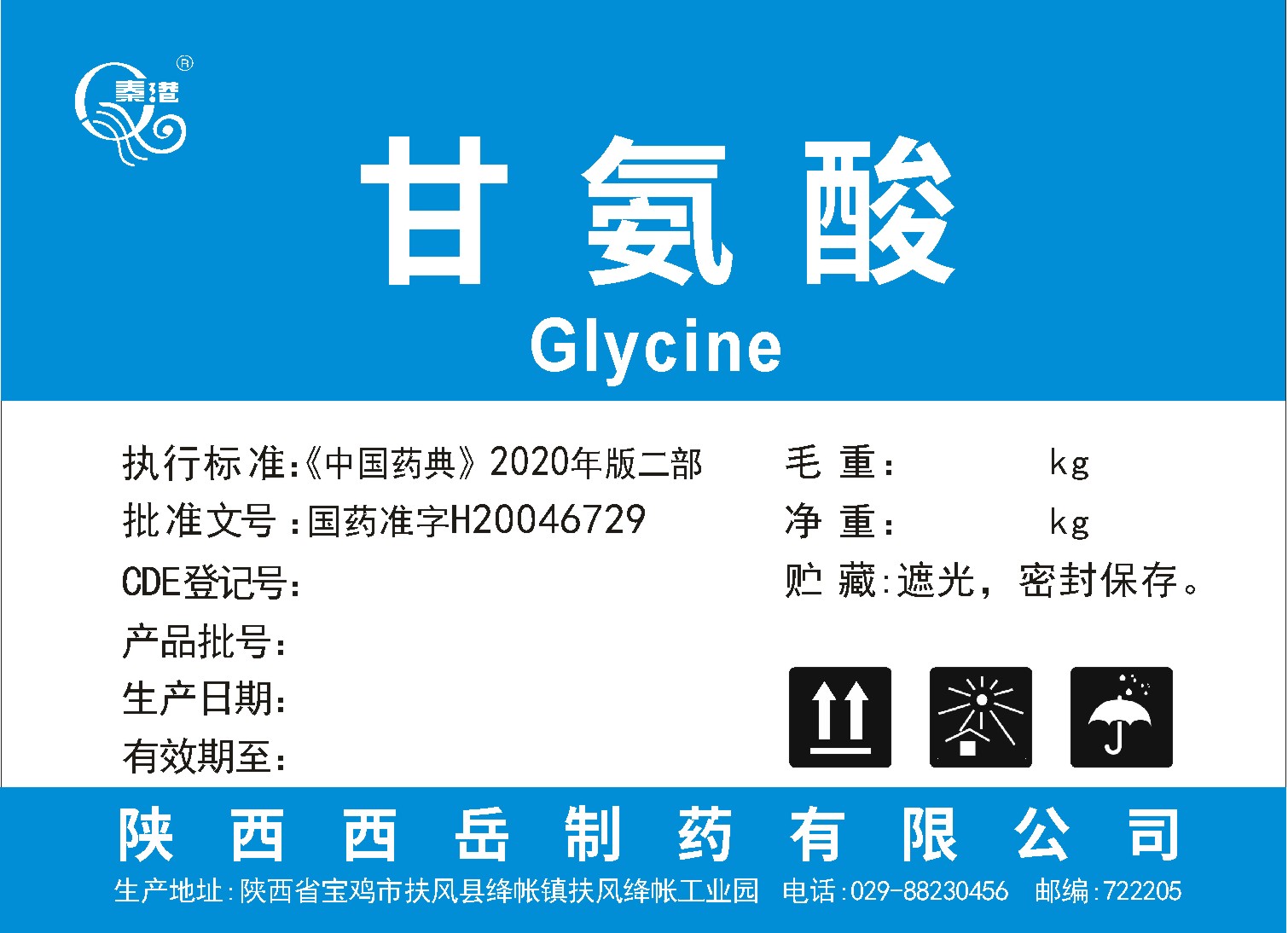
Glycine : Molecular formula: C₂H₅NO₂ , CAS number: 56-40-6 , Applications: Glycine is the simplest non-essential amino acid and is widely used in food (flavor enhancers, preservatives), pharmaceuticals (intravenous solutions, antacids), cosmetics (moisturizers), and industry (electroplating buffers, feed additives). As a precursor for protein synthesis, it combines nutritional and metabolic regulatory functions, ensuring safety and efficiency.
*The following content is generated by AI and is for reference only.
Glycine, chemically known as the simplest amino acid, holds a pivotal role in both biological systems and industrial applications. With the molecular formula C₂H₅NO₂ and the CAS registry number 56-40-6, this colorless, crystalline solid is unique among the standard amino acids for lacking a chiral center. Its distinctive structure allows it to serve as a crucial building block for protein synthesis while also functioning as an inhibitory neurotransmitter in the central nervous system of mammals.
In the pharmaceutical sector, glycine is widely utilized as a buffering agent in injectable solutions and as an excipient in various drug formulations to stabilize active ingredients. It plays a therapeutic role in treating schizophrenia when used as an adjunct therapy alongside antipsychotic medications, helping to modulate glutamate receptor activity. Furthermore, its safety profile makes it a common ingredient in dietary supplements aimed at supporting muscle recovery and sleep quality, often marketed for its ability to promote relaxation by crossing the blood-brain barrier.
Beyond healthcare, glycine finds extensive use in the food industry as a flavor enhancer and sweetener, particularly in processed foods where it contributes a mild sweetness without adding significant calories. In industrial chemistry, it serves as a precursor for synthesizing other valuable compounds, including non-nutritive sweeteners like aspartame, herbicides, and biodegradable polymers such as polyglycolides used in medical sutures. The compound is also essential in the production of cosmetics, where it acts as a humectant to retain skin moisture. Additionally, glycine is employed in electroplating baths to improve the quality of metal coatings and in water treatment processes to reduce corrosion. Due to its high solubility in water and non-toxic nature, it remains one of the most versatile and widely produced organic chemicals globally, bridging the gap between fundamental biochemistry and large-scale manufacturing needs.





 (All Rights Reserved)