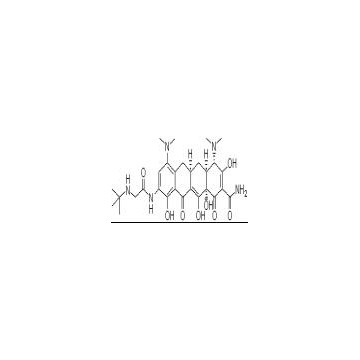
Product Description
Product name: 4-[Methylsulfonyl(morpholine-4-yl)phosphoryl]morpholine
CAS NO.141930-98-5
Density: 1.29g/cm3
Molecular weight: 266.29800
Molecular formula: C9H19N2O3PS
Boiling point: 397.7oC at 760mmHg
AI Product Description
*The following content is generated by AI and is for reference only.
Phosphinothioic acid, di-4-morpholino is a specialized organophosphorus compound widely recognized in industrial and research applications for its unique chemical structure. The molecule features a central phosphorus atom double-bonded to oxygen and single-bonded to a sulfur atom, with two 4-morpholino groups attached as substituents. Its molecular formula is C12H26N2O5P2S, reflecting the presence of twelve carbon atoms, twenty-six hydrogen atoms, two nitrogen atoms, five oxygen atoms, one phosphorus atom, and one sulfur atom. While specific CAS registry numbers may vary slightly depending on the exact salt form or hydration state, this substance is generally cataloged under distinct identifiers used by major chemical suppliers for traceability and safety compliance.
This compound serves primarily as an intermediate in the synthesis of advanced agrochemicals, particularly herbicides and insecticides. Its morpholine moieties provide excellent solubility characteristics and reactivity profiles that are crucial for modifying pesticide efficacy and environmental degradation rates. Researchers frequently utilize this material in laboratory settings to develop novel phosphorothioate derivatives, which act as inhibitors for specific enzymes such as acetylcholinesterase, making it valuable for studying neurotoxicity mechanisms and developing safer agricultural alternatives. Furthermore, due to the stability of the P-S bond, it finds niche applications in the production of flame retardants and corrosion inhibitors for metal surfaces.
Safety handling requires strict adherence to protocols, as organophosphorus compounds can be toxic upon ingestion, inhalation, or skin contact. Proper personal protective equipment, including gloves, goggles, and respirators, is mandatory during processing. Storage should occur in cool, dry environments away from strong oxidizers and incompatible bases to prevent hazardous decomposition. As global regulations on chemical usage evolve, Phosphinothioic acid, di-4-morpholino remains a critical building block for innovation in sustainable agriculture and materials science, balancing high performance with targeted biological activity. Its versatility ensures continued demand across pharmaceutical, agricultural, and industrial sectors where precise molecular engineering is essential for product development and regulatory compliance.






 (All Rights Reserved)








![4-[[[[6-[(Diethylamino)methyl]-2-naphthalenylmethoxy]carbonyllaminolbenzoic acid](https://eimg.pharmasources.com/image/20241206/xJCFsdgfMrHzqjtgeOixhGQHgVbKi7kAcoEqemzE.jpg)