Product Description
Pharmaceutical Intermediates
AI Product Description
*The following content is generated by AI and is for reference only.
Phenoxyethanol, chemically known as 2-phenoxyethanol, is a widely utilized organic compound in the global chemical and pharmaceutical industries. With the molecular formula C8H10O2 and a CAS registry number of 122-99-6, this colorless liquid serves as a critical component across diverse sectors. Its distinct structure, featuring a phenoxy group attached to an ethyl chain, grants it unique solubility properties, making it miscible with water, alcohols, and oils.
The primary application of phenoxyethanol lies in its function as a preservative. It is extensively employed in cosmetic formulations, skincare products, and personal care items to inhibit the growth of bacteria, yeast, and mold. By disrupting microbial cell membranes, it ensures product stability and safety during storage and use, extending shelf life significantly. Regulatory bodies such as the FDA and the European Commission have established specific concentration limits for its inclusion in leave-on and rinse-off products, typically capping usage at 1.0% to ensure consumer safety while maintaining efficacy.
Beyond cosmetics, phenoxyethanol plays a vital role in the pharmaceutical industry as a bacteriostatic agent in injectable solutions, vaccines, and topical ointments. It is also frequently used in the manufacturing of industrial coatings and adhesives to prevent biological degradation. Furthermore, it acts as a solvent in various chemical syntheses and serves as an intermediate in the production of other organic compounds. While generally considered safe within regulated limits, it is important to note that high concentrations can cause skin irritation or allergic reactions in sensitive individuals, necessitating careful formulation practices. As a versatile and effective antimicrobial agent, phenoxyethanol remains indispensable in modern product development, balancing preservation needs with stringent safety standards. Its broad compatibility and proven track record continue to make it a preferred choice for manufacturers seeking reliable protection against microbial contamination in both consumer goods and medical applications worldwide.





 (All Rights Reserved)
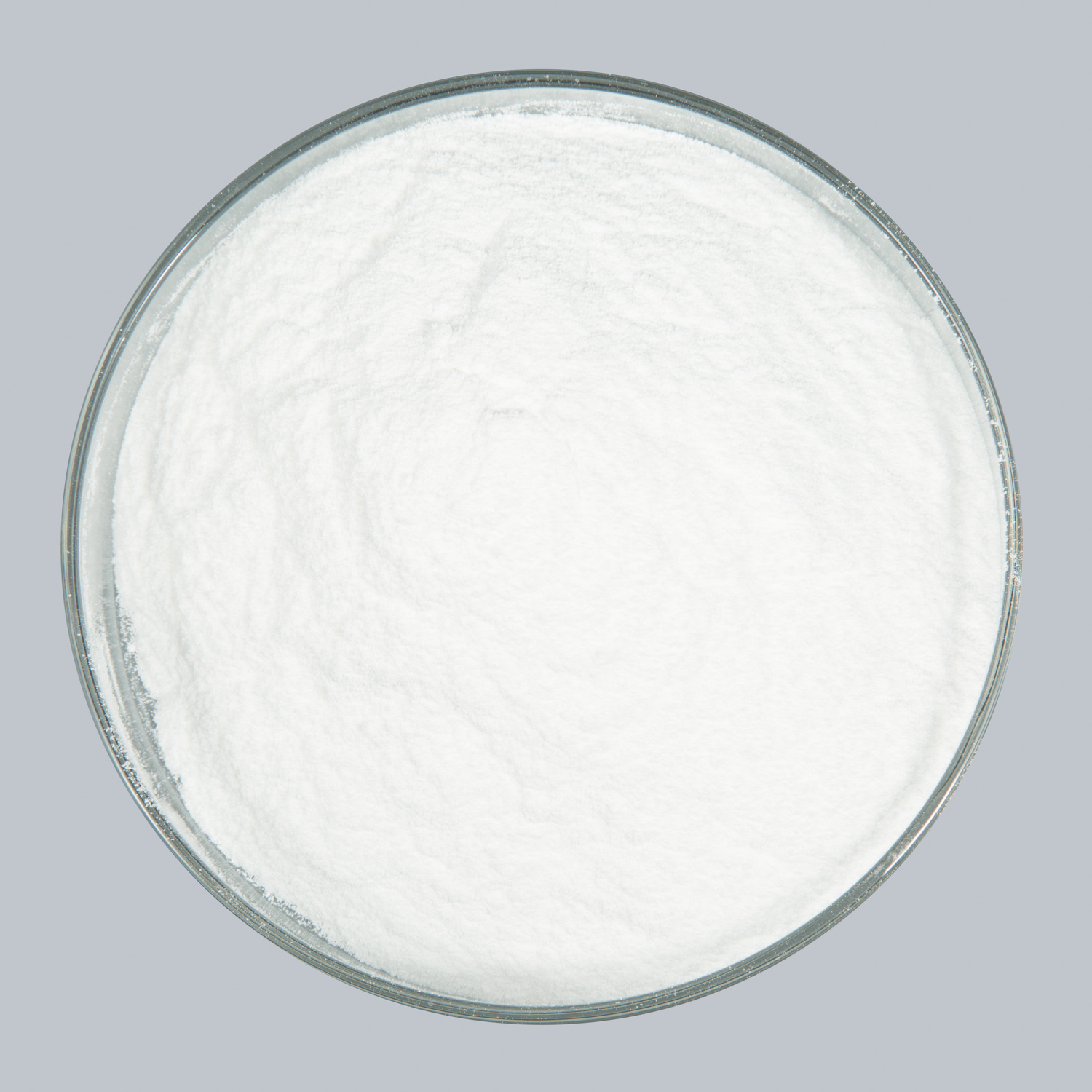
![4-[[[[6-[(Diethylamino)methyl]-2-naphthalenylmethoxy]carbonyllaminolbenzoic acid](https://eimg.pharmasources.com/image/20241206/xJCFsdgfMrHzqjtgeOixhGQHgVbKi7kAcoEqemzE.jpg)