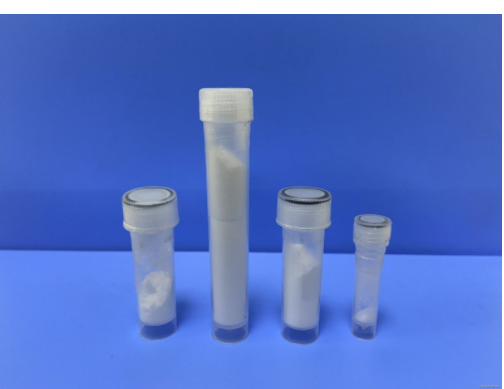
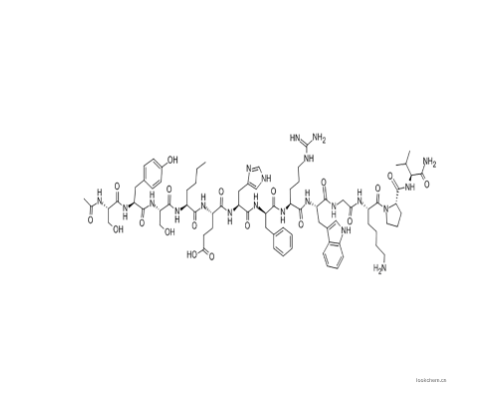
Product Description
Hangzhou Go Top Peptide Biotech Co., Ltd. is a national high-tech enterprise specializing in the research and development and production of peptides and related derivatives. It provides peptide-related custom synthesis and technology for domestic and foreign medical research and development, biotechnology, universities and scientific research institutions service. For consultation or ordering, please contact:86-571-88211951, 86-13588827304 (Cindy Mei), sales145@gotopbio.com
AI Product Description
*The following content is generated by AI and is for reference only.
Pam Resin is a specialized class of polymeric materials widely recognized in the industrial sector for its exceptional performance as a flocculant and water treatment agent. While "Pam Resin" often refers to cationic or anionic polyacrylamide derivatives, the most common commercial form is Polyacrylamide (PAM), specifically high-molecular-weight variants used for solid-liquid separation. The general molecular formula for the acrylamide monomer unit is C3H5NO, but as a polymer, it consists of repeating units with the empirical formula (C3H5NO)n, where n represents a very large degree of polymerization, typically ranging from hundreds of thousands to millions. It does not possess a single unique CAS number because the properties vary significantly based on molecular weight, charge density, and specific functional groups; however, generic polyacrylamide is often associated with CAS numbers such as 9003-05-8 for unmodified forms, while modified versions have distinct identifiers.
The primary application of Pam Resin lies in water purification and wastewater treatment processes. Its mechanism involves bridging fine suspended particles into larger flocs through adsorption and electrostatic neutralization, facilitating rapid sedimentation or filtration. This makes it indispensable in municipal sewage treatment, industrial effluent management, and mining operations for tailings dewatering. Beyond water treatment, these resins are extensively utilized in the oil and gas industry for enhanced oil recovery (EOR) to improve sweep efficiency, as well as in the paper manufacturing sector to retain fillers and fibers, thereby improving sheet formation and strength. Additionally, they serve as thickeners and stabilizers in personal care products, agriculture for soil erosion control, and construction materials for concrete stabilization. The versatility of Pam Resin stems from its ability to be chemically tailored to specific pH levels and ionic strengths, ensuring optimal performance across diverse environmental conditions. Its non-toxic nature when properly formulated further supports its adoption in sensitive ecological applications. As global demand for sustainable water solutions grows, the role of advanced polymeric resins like Pam continues to expand, driving innovation in chemical engineering and environmental protection technologies worldwide.






 (All Rights Reserved)