Product Description
Product name Nicotinamide adenine dinucleotide
Synonyms NAD+, beta-Nicotinamide adenine dinucleotide
CAS number 53-84-9
Molecular Formula C21H27N7O14P2
M.W. 663.40
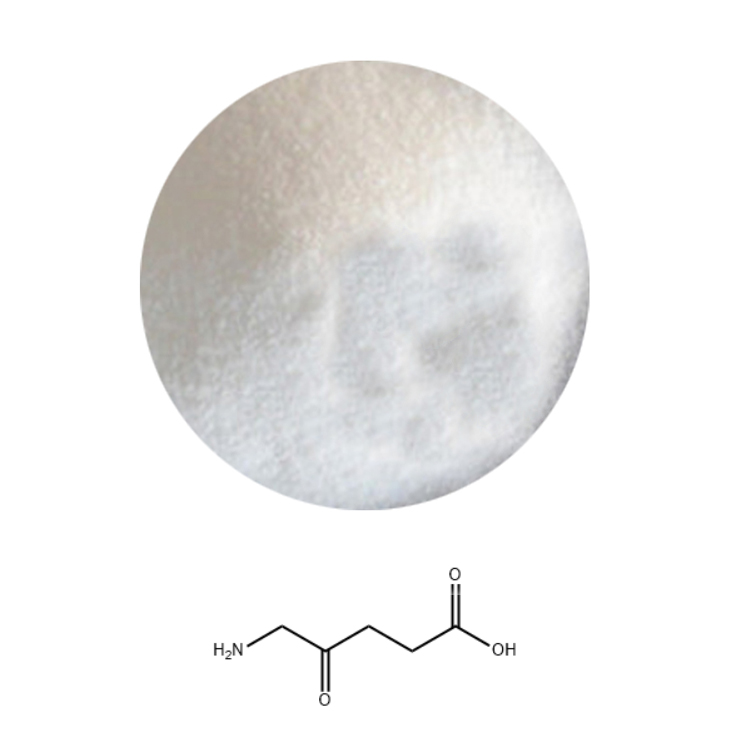
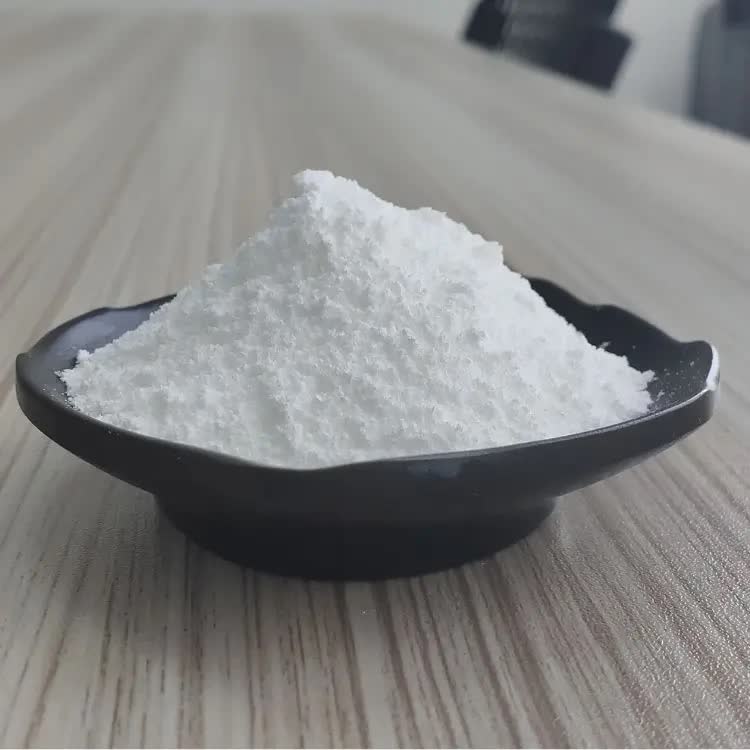
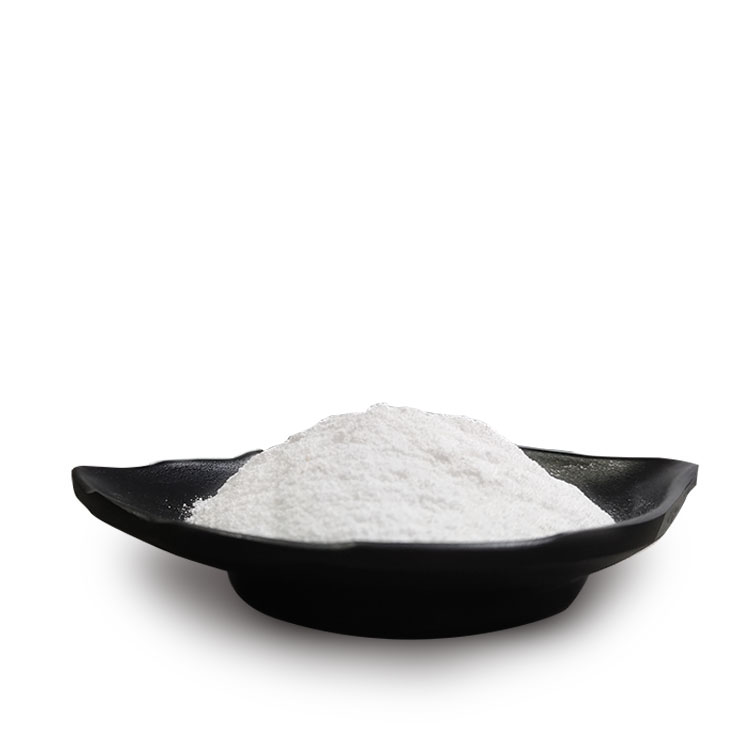
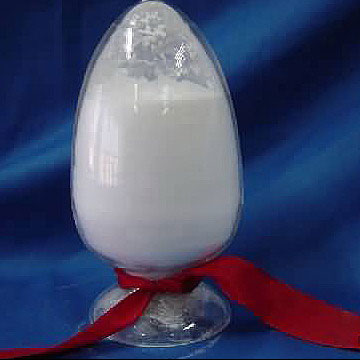
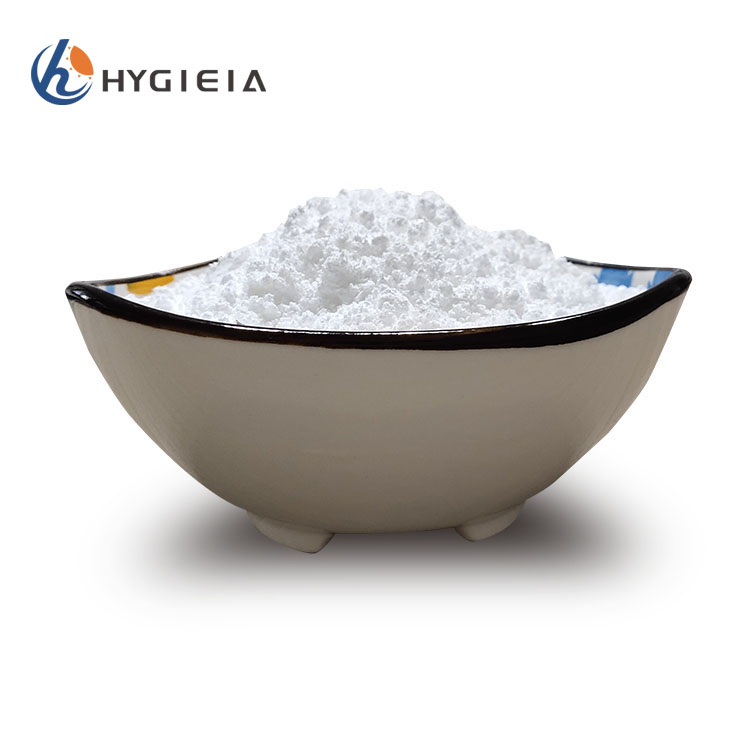
Appearance White crystalline powder
Specifications >98%
solubility soluble in water
package 1kg/bag, 25kg/drum
AI Product Description
*The following content is generated by AI and is for reference only.
Nicotinamide adenine dinucleotide, commonly abbreviated as NAD+, is a vital coenzyme found in all living cells that plays a central role in cellular metabolism. Its chemical formula is C21H27N7O14P2, and it is identified by the CAS number 53-84-9. This molecule exists in two forms: NAD+ (oxidized) and NADH (reduced), facilitating critical redox reactions essential for energy production. As an electron carrier, NAD+ shuttles electrons from catabolic processes like glycolysis and the citric acid cycle to the mitochondrial electron transport chain, driving ATP synthesis through oxidative phosphorylation. Beyond energy metabolism, NAD+ serves as a substrate for several key enzymes, including sirtuins, poly(ADP-ribose) polymerases (PARPs), and CD38, which regulate DNA repair, genomic stability, circadian rhythms, and cell survival pathways.
In research and industrial applications, NAD+ is extensively utilized as a biochemical reagent in enzymatic assays, particularly those involving dehydrogenases where its reduction to NADH can be monitored spectrophotometrically at 340 nm. It is also crucial in studying aging mechanisms, as declining NAD+ levels are associated with age-related metabolic dysfunction, neurodegeneration, and cardiovascular diseases. Consequently, NAD+ precursors like nicotinamide riboside and nicotinamide mononucleotide have gained significant attention in therapeutic development aimed at boosting intracellular NAD+ pools. In the pharmaceutical sector, high-purity NAD+ is used in diagnostic kits and as a potential supplement for enhancing cellular health and mitigating fatigue. Furthermore, it finds application in cosmetic formulations purported to improve skin elasticity and reduce signs of aging by supporting mitochondrial function in dermal cells. Despite challenges regarding oral bioavailability, ongoing research focuses on novel delivery systems to maximize its therapeutic efficacy. Overall, Nicotinamide adenine dinucleotide remains a cornerstone molecule in biochemistry, bridging fundamental metabolic science with cutting-edge clinical interventions for longevity and disease management.





 (All Rights Reserved)