Product Description
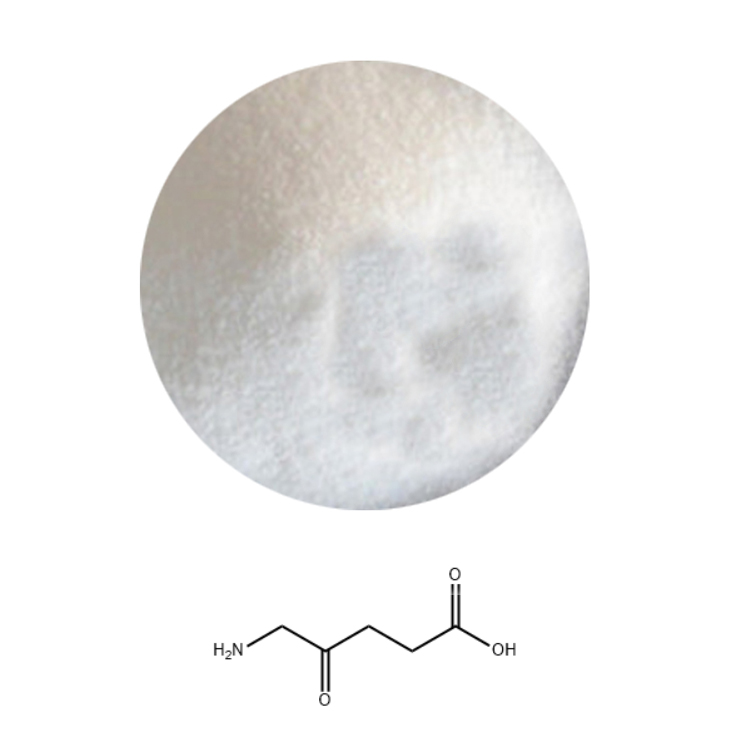
Product name 5-Aminolevulinic Acid Phosphate
Synonyms 5-ALA
CAS number 868074-65-1
Molecular Formula C5H12NO7P
Molecular weight 229.12
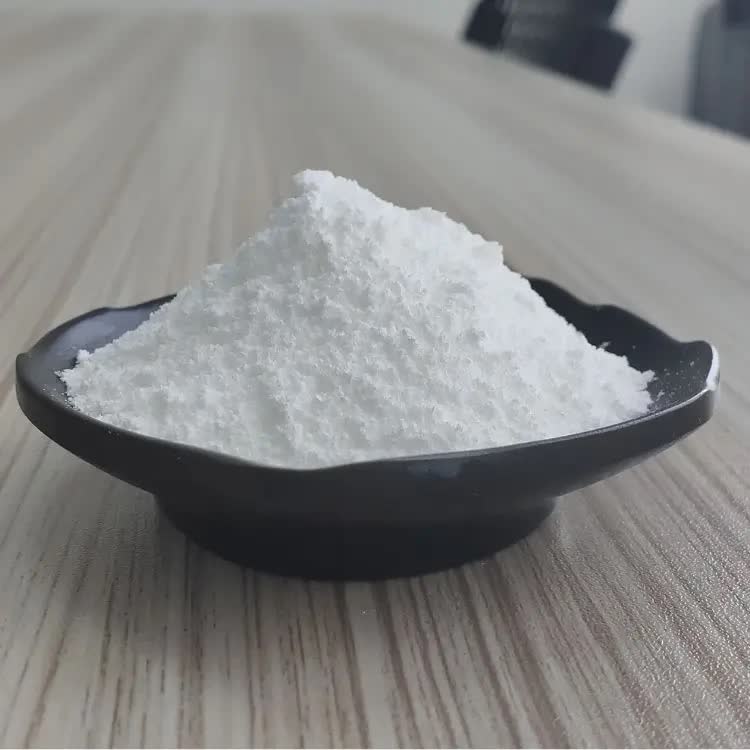
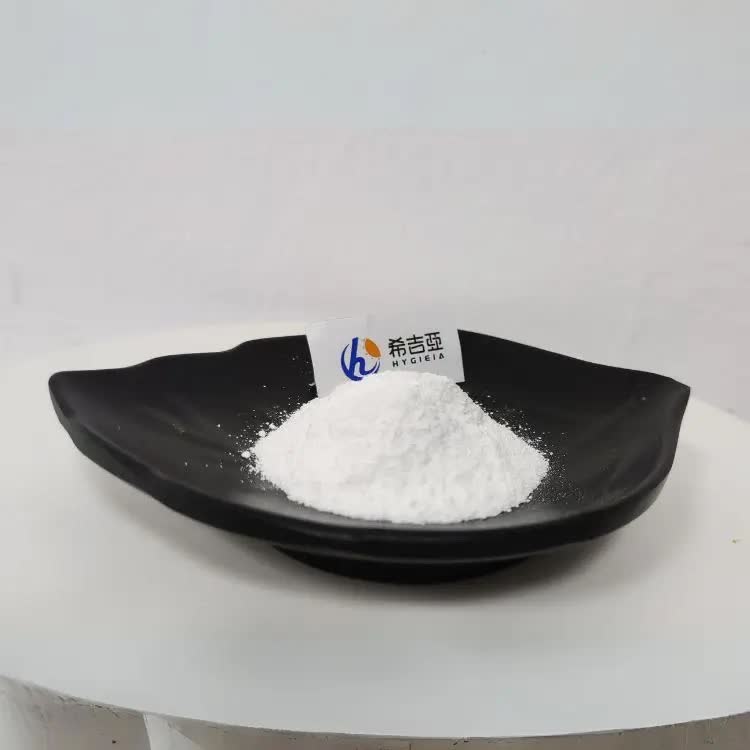
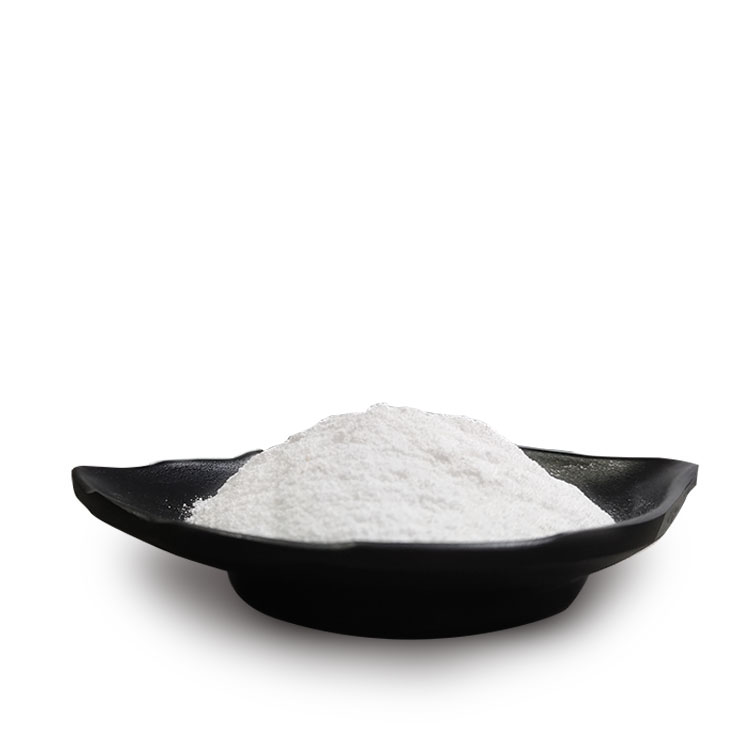
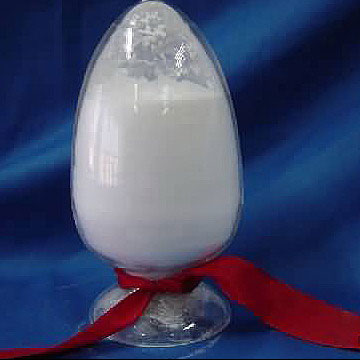
Appearance/color White powder
Specifications >98%
solubility N/A
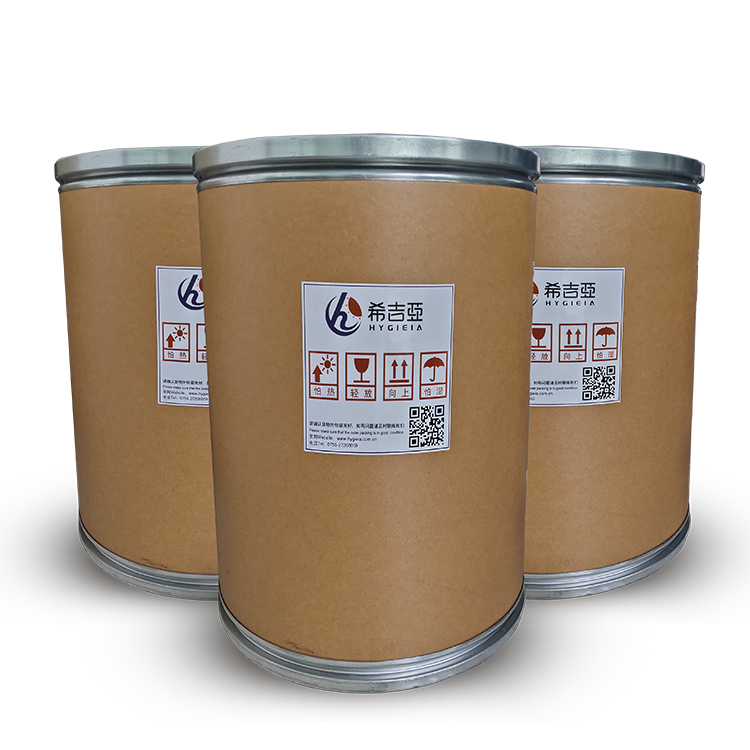
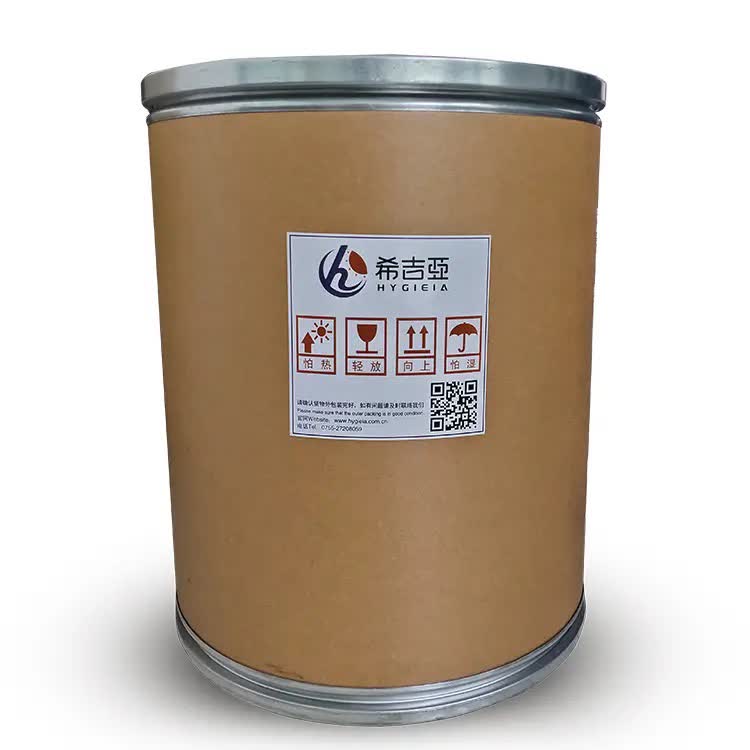
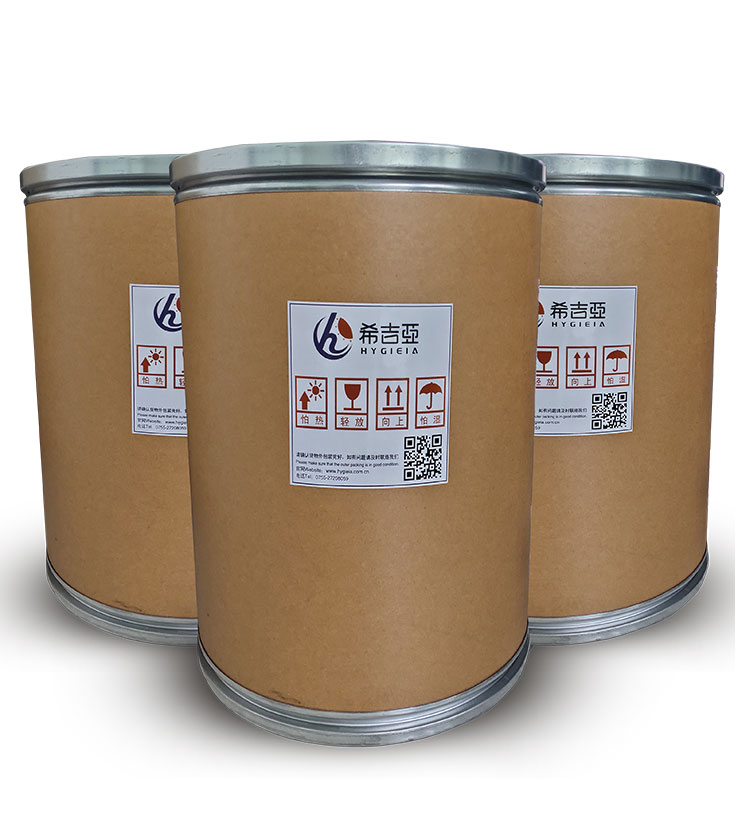
package 1kg/bag, 25kg/drum
AI Product Description
*The following content is generated by AI and is for reference only.
5-Aminolevulinic Acid Phosphate (5-ALA-P) is a biologically active intermediate and a critical derivative of 5-aminolevulinic acid (5-ALA), serving as a key component in the heme biosynthesis pathway. While 5-ALA itself is widely utilized in photodynamic therapy (PDT) for cancer treatment and dermatological applications, its phosphorylated form plays a distinct role in cellular metabolism and enzymatic research. The compound acts as a precursor to protoporphyrin IX, which accumulates selectively in tumor cells and, upon light irradiation, generates cytotoxic singlet oxygen species that induce apoptosis. In terms of chemical identity, 5-Aminolevulinic Acid Phosphate typically exists as a salt or ester to enhance stability and solubility compared to the free acid. Its molecular formula generally corresponds to C5H10NO6P when considering the phosphate group addition, though exact stoichiometry may vary depending on the specific counter-ion used in commercial formulations. The CAS number for the free acid phosphate form is often cited around 32798-04-6, but researchers must verify specific catalog numbers from suppliers as derivatives may have unique identifiers.
The primary utility of this molecule lies in biochemical studies investigating the regulation of heme synthesis and the mechanisms underlying porphyrias. It serves as an essential substrate for enzymes such as ALA dehydratase and is frequently employed in metabolic labeling experiments to trace heme production rates in vitro and in vivo. Furthermore, due to its direct involvement in the photosensitizer generation pathway, modified forms of 5-ALA-P are being explored to improve the delivery efficiency of PDT agents, potentially overcoming limitations associated with poor tissue penetration or rapid degradation found in non-phosphorylated variants. In industrial contexts, it is also relevant for the synthesis of specialized porphyrins used in catalysis and materials science. Although less common than 5-ALA in clinical settings, 5-Aminolevulinic Acid Phosphate remains indispensable for fundamental research into mitochondrial function, oxidative stress responses, and the development of next-generation therapeutic strategies targeting malignancies and inflammatory conditions.





 (All Rights Reserved)