Product Description
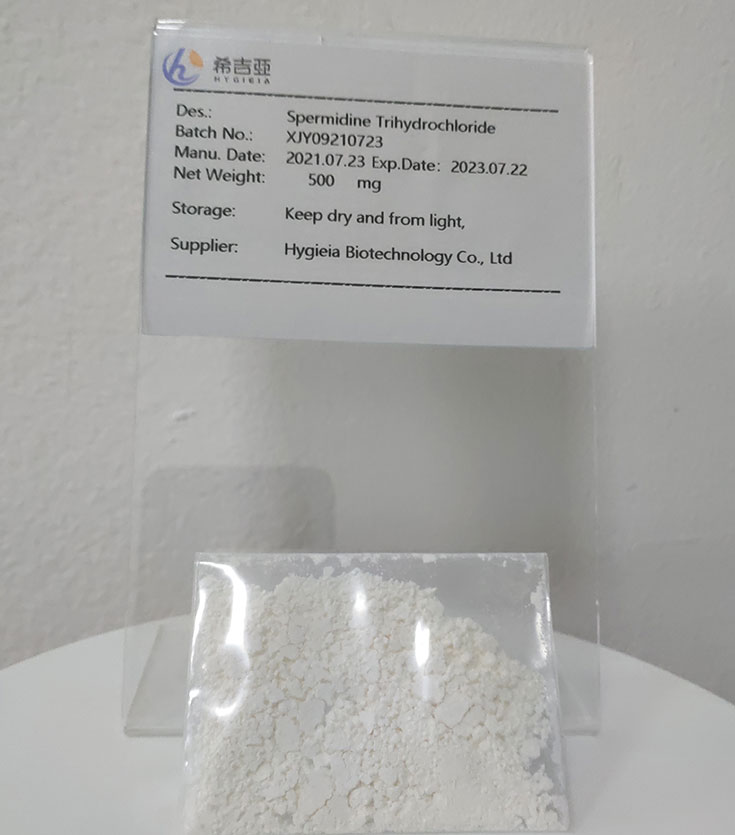
Product name SpermidineTrihydrochloride(MitoSpermidine™)
Synonyms Spermidine
CAS number 334-50-9
Molecular Formula C7H19N3·3HCl
Molecular weight 254.63
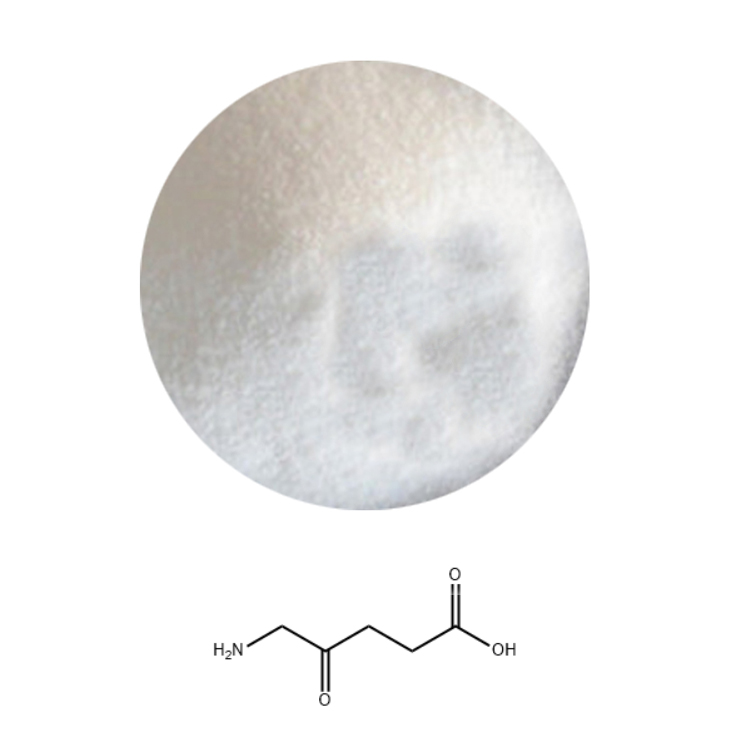
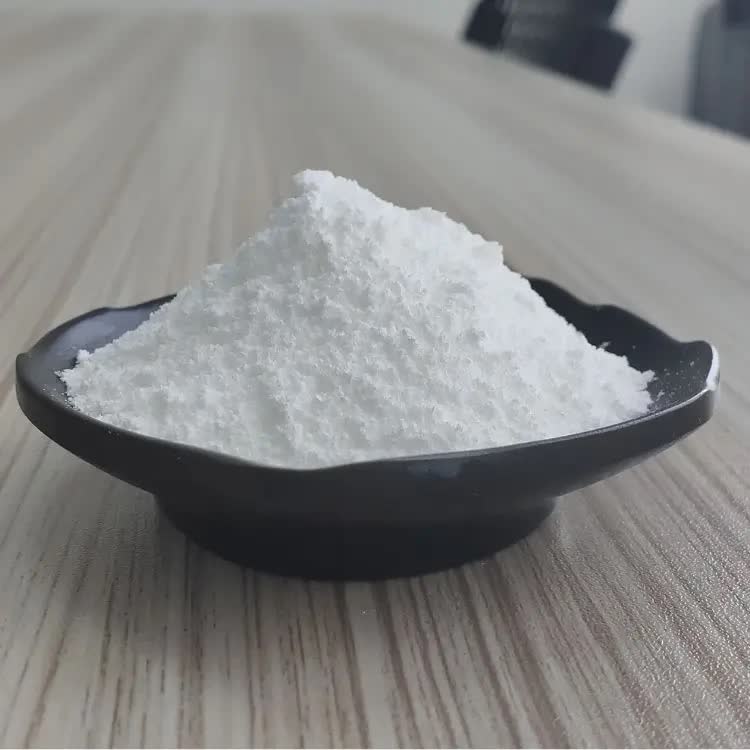
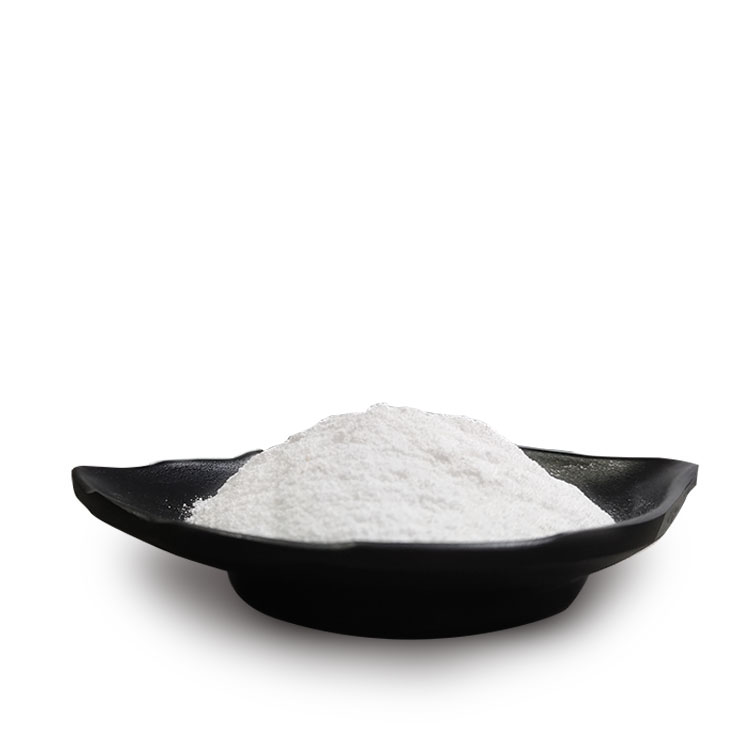
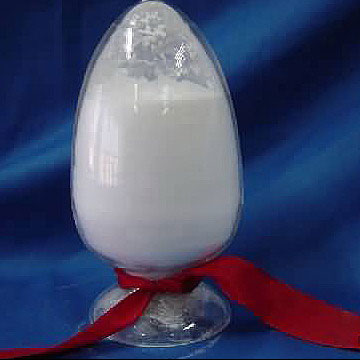
Appearance/color White to off-white power
Specifications >98%
solubility soluble in water, very hygroscopic and air sensitive
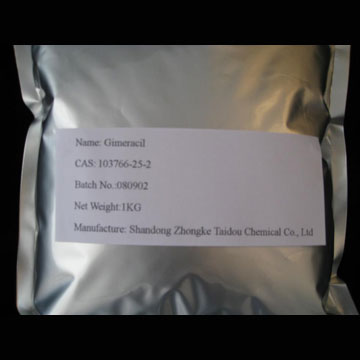
package 1kg/bag, 25kg/drum
AI Product Description
*The following content is generated by AI and is for reference only.
Spermidine Trihydrochloride, commercially known as MitoSpermidine™, is a specialized chemical compound derived from the natural polyamine spermidine. With the CAS number 352-91-0, this substance serves as a stable, water-soluble hydrochloride salt form of spermidine, significantly enhancing its bioavailability and ease of handling in laboratory settings compared to the free base. The molecular formula for Spermidine Trihydrochloride is C7H21Cl3N3O, reflecting its composition of seven carbon atoms, twenty-one hydrogen atoms, three chlorine atoms, three nitrogen atoms, and one oxygen atom, although standard formulations often focus on the core polyamine structure modified by the chloride salts.
The primary application of MitoSpermidine™ lies in biomedical research, particularly within the fields of aging, cellular metabolism, and mitochondrial biology. As a potent inducer of autophagy, this compound facilitates the clearance of damaged organelles and protein aggregates, thereby promoting cellular rejuvenation and longevity. Researchers frequently utilize it to investigate the mechanisms underlying age-related diseases, neurodegeneration, and metabolic disorders. Its specific designation as "MitoSpermidine" often highlights its efficacy in targeting mitochondrial function, suggesting enhanced potential in preserving mitochondrial integrity under stress conditions.
In experimental protocols, Spermidine Trihydrochloride is commonly employed in cell culture studies involving mammalian cells, yeast, and various model organisms such as *Drosophila* and mice. It acts as a critical tool for mimicking caloric restriction effects without altering dietary intake, offering a valuable pharmacological approach to extend healthspan. Furthermore, due to its role in stabilizing nucleic acids and modulating gene expression, it finds utility in studying epigenetic regulation and DNA repair pathways. While natural spermidine exists in foods like wheat germ and aged cheese, the trihydrochloride salt form provides researchers with a standardized, high-purity reagent essential for reproducible scientific data. Ongoing studies continue to explore its therapeutic potential for human applications, positioning MitoSpermidine™ as a cornerstone molecule in modern anti-aging and cellular health research.





 (All Rights Reserved)