Product Description
Pharmaceutical Intermediates
AI Product Description
*The following content is generated by AI and is for reference only.
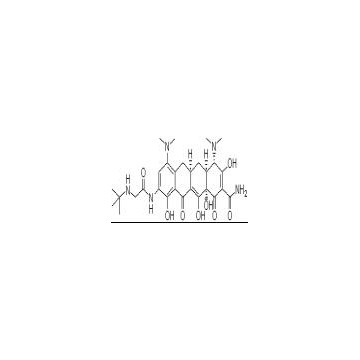
Josiphos SL-J002-1, chemically designated as (R)-1-[(S)-2-(Diphenylphosphino)ferrocenyl]ethyldi-tert-butylphosphine, is a sophisticated chiral bidentate ligand widely recognized in modern organometallic chemistry. With the molecular formula C34H38FeP2 and CAS Registry Number 209568-83-6, this compound represents a significant advancement in asymmetric catalysis, particularly within the Josiphos family of ligands developed by Prof. Katsuhiko Miyaura and colleagues. Its unique structure combines a ferrocene backbone with two distinct phosphorus centers: a diphenylphosphino group and a bulky di-tert-butylphosphino group. This asymmetry creates a well-defined chiral pocket around the metal center, enabling high enantioselectivity in various transformation reactions.
The primary application of Josiphos SL-J002-1 lies in palladium-catalyzed asymmetric cross-coupling reactions, such as Suzuki-Miyaura and Heck couplings, where it facilitates the formation of carbon-carbon bonds with exceptional stereocontrol. It is also highly effective in rhodium-catalyzed hydrogenation processes, allowing for the synthesis of optically active pharmaceutical intermediates and fine chemicals. The presence of the bulky tert-butyl groups enhances steric hindrance, which suppresses side reactions and improves catalyst stability under demanding conditions. Furthermore, the ferrocene moiety provides electronic tunability and robust thermal stability, making the ligand suitable for both laboratory-scale research and industrial-scale manufacturing.
Due to its versatility, this ligand has become a cornerstone in the production of complex bioactive molecules, including amino acids, alkaloids, and chiral drugs used in treating cardiovascular diseases and neurological disorders. Researchers value Josiphos SL-J002-1 for its ability to deliver high enantiomeric excess (ee) values even at low catalyst loadings, thereby reducing costs and environmental impact. Its compatibility with a wide range of substrates allows chemists to design efficient synthetic routes for diverse molecular architectures. As the demand for enantiopure compounds grows in the pharmaceutical and agrochemical sectors, ligands like SL-J002-1 continue to play a pivotal role in driving innovation and efficiency in asymmetric synthesis.

![Josiphos SL-J002-1 /(R)-1-[(S)-2-(Diphenylphosphino)ferrocenyl]ethyldi-tert-butylphosphine](https://eimg.pharmasources.com/image/product/20240430/5c425c8ee45a5860b8c45ba619f8e090jpg)




 (All Rights Reserved)





![4-[[[[6-[(Diethylamino)methyl]-2-naphthalenylmethoxy]carbonyllaminolbenzoic acid](https://eimg.pharmasources.com/image/20241206/xJCFsdgfMrHzqjtgeOixhGQHgVbKi7kAcoEqemzE.jpg)