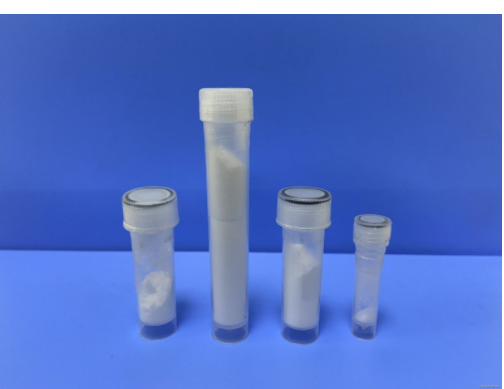
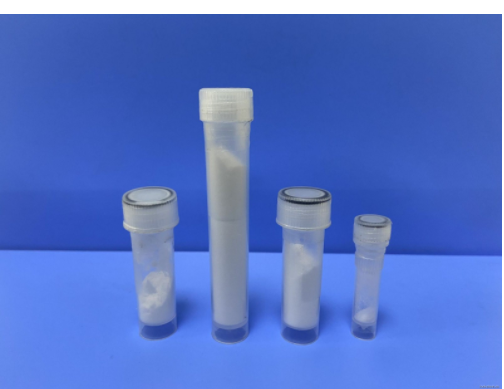
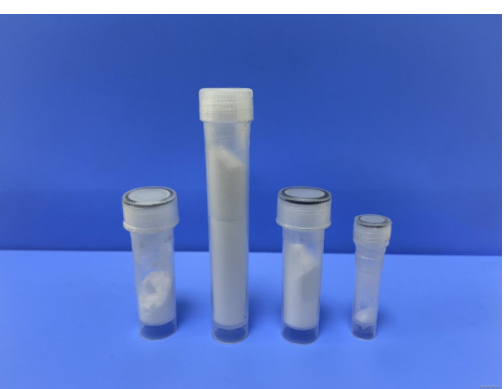
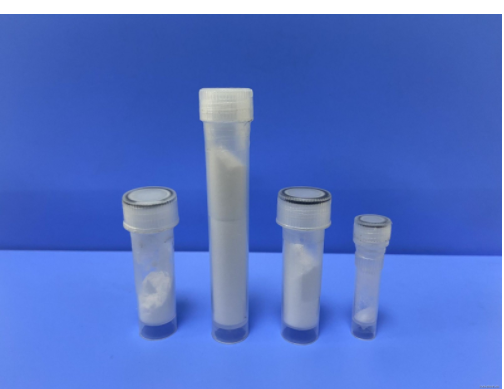
Product Description
Hangzhou Go Top Peptide Biotech Co., Ltd. is a national high-tech enterprise specializing in the research and development and production of peptides and related derivatives. It provides peptide-related custom synthesis and technology for domestic and foreign medical research and development, biotechnology, universities and scientific research institutions service. For consultation or ordering, please contact:86-571-88211951, 86-13588827304 (Cindy Mei), sales122@gotopbio.com
AI Product Description
*The following content is generated by AI and is for reference only.
H-Leu-2-Chlorotrityl Resin is a specialized solid-phase synthesis reagent widely utilized in the field of peptide chemistry and medicinal research. This product consists of L-leucine, a non-essential amino acid, covalently attached to a 2-chlorotrityl chloride resin support via an ester linkage. The molecular formula for the leucine moiety is C6H13NO2, while the complete resin-bound structure incorporates the chlorotrityl linker framework, typically represented with a general formula reflecting the polymer backbone, often polystyrene-based, and the specific linker chemistry. Although the exact molecular weight varies due to the polymeric nature of the resin, the CAS number associated with the free H-Leu-2-Chlorotrityl species or the specific functionalized resin batch is generally cataloged under unique identifiers distinct from simple small molecules, often requiring reference to specific supplier catalogs for precise batch data.
The primary application of this reagent lies in the efficient preparation of C-terminal carboxylic acids and amides during automated or manual solid-phase peptide synthesis (SPPS). The 2-chlorotrityl linker offers a mild cleavage profile, allowing for the release of the protected peptide using weak acidic conditions, such as dilute trichloroacetic acid (TCA) in dichloromethane. This characteristic makes it particularly valuable for synthesizing peptides containing acid-sensitive protecting groups or modifications that might be compromised by stronger acids like trifluoroacetic acid (TFA). By utilizing H-Leu-2-Chlorotrityl Resin, chemists can achieve high coupling efficiencies and minimize side reactions, ensuring the purity of the final peptide product. It serves as a critical building block in drug discovery programs, enabling the rapid generation of peptide libraries for biological screening. Furthermore, its compatibility with standard Fmoc protection strategies allows for seamless integration into existing synthetic workflows. Researchers rely on this material to produce complex therapeutic candidates, diagnostic markers, and biochemical probes with precision. Its stability during storage and handling further enhances its utility in laboratory settings, making it an indispensable tool for modern organic synthesis and pharmaceutical development aimed at creating novel peptide-based therapeutics.






 (All Rights Reserved)