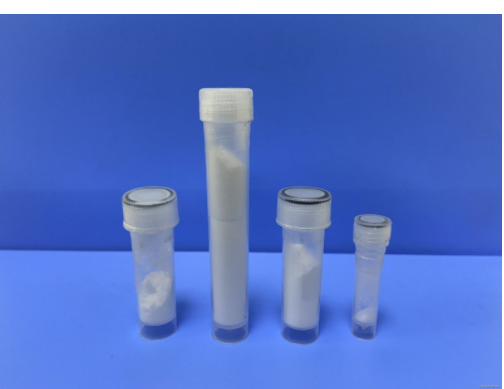
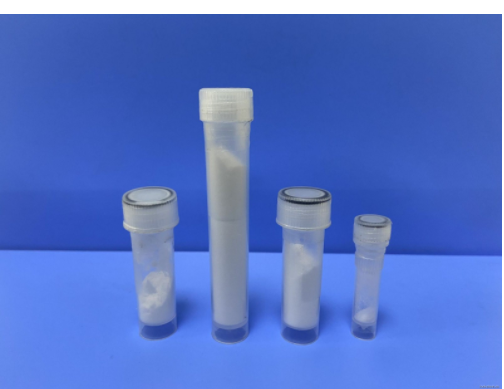
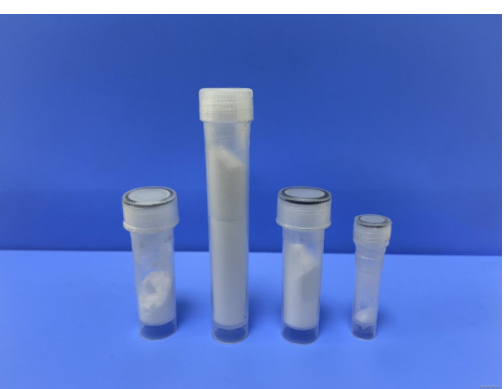
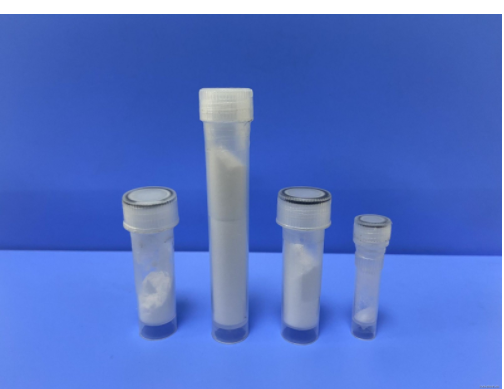
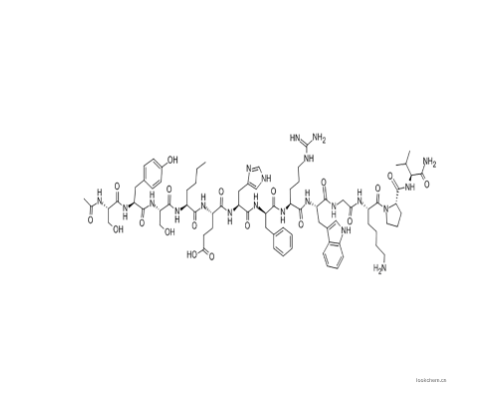
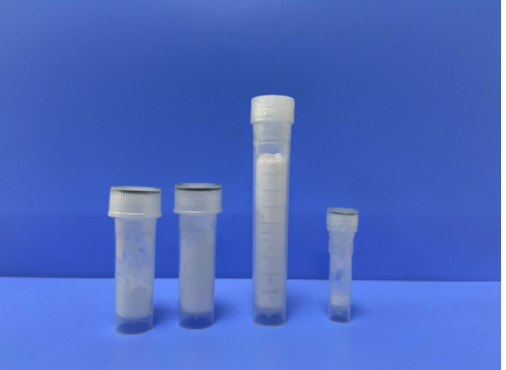
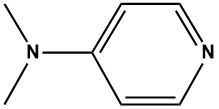
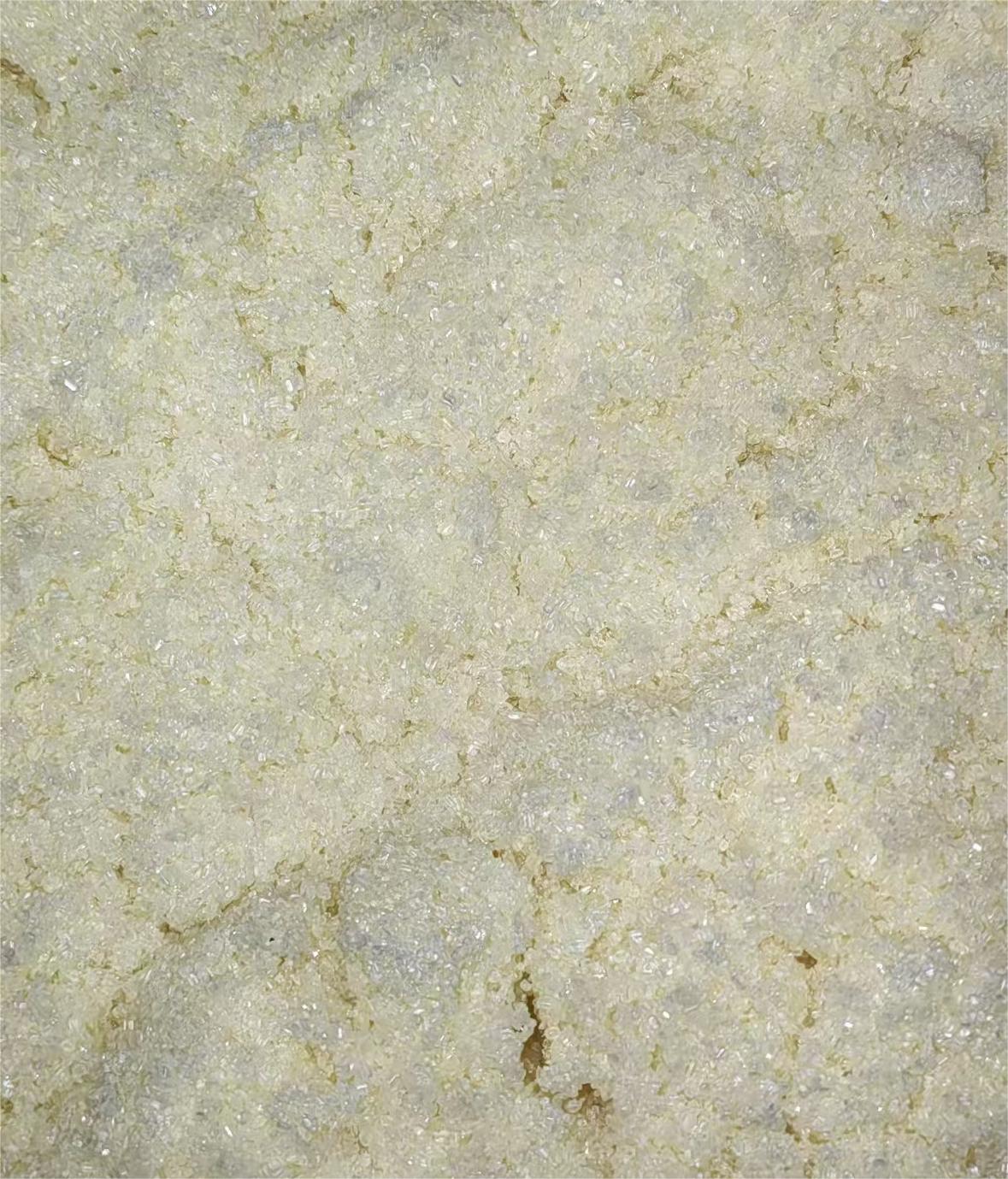
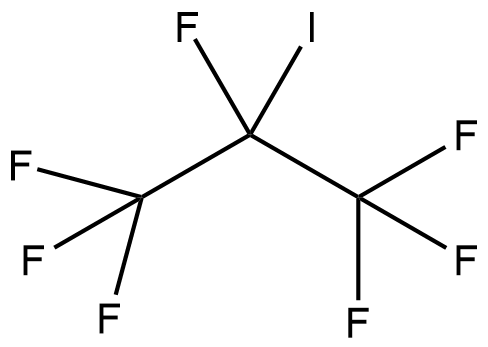
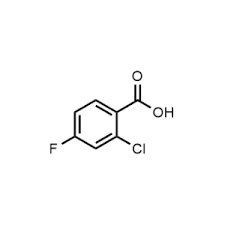
Brand: Gutuo Appearance: white solid Storage: shading, cool and dry, sealed and stored Purity: ≥99% Main use: pharmaceutical intermediates Executive standard: enterprise standard Specification: 25kg/barrel or 1kg/bag (subject to customer requirements) Sales scope: nationwide
*The following content is generated by AI and is for reference only.
Glucagon-like peptide-1 (GLP-1) is a potent endogenous incretin hormone primarily synthesized and secreted by the L-cells of the distal small intestine and colon in response to nutrient ingestion. Its molecular formula is C204H315N61O59S, reflecting its complex structure as a 30-amino acid polypeptide chain derived from the proglucagon gene. The CAS number for synthetic human GLP-1(7-36) amide, the most biologically active form, is 149478-61-7. This molecule plays a pivotal role in glucose homeostasis through multiple physiological mechanisms. Upon release, GLP-1 binds to specific G-protein coupled receptors on pancreatic beta cells, stimulating insulin secretion in a glucose-dependent manner while simultaneously suppressing glucagon release from alpha cells. Beyond glycemic control, GLP-1 significantly slows gastric emptying, which contributes to prolonged satiety and reduced food intake. It also promotes beta-cell proliferation and inhibits apoptosis, offering potential long-term benefits for pancreatic function. Due to these multifaceted effects, GLP-1 has become a cornerstone in modern therapeutics for type 2 diabetes mellitus and obesity management. Various analogs with extended half-lives, such as liraglutide, semaglutide, and dulaglutide, have been developed to overcome rapid degradation by the enzyme dipeptidyl peptidase-4 (DPP-4). These pharmaceutical agents are widely administered via injection or oral routes, demonstrating remarkable efficacy in lowering HbA1c levels and facilitating significant weight loss. Furthermore, ongoing research explores their potential cardiovascular protective effects and neuroprotective properties. In laboratory settings, recombinant GLP-1 serves as an essential reagent for studying metabolic pathways, receptor signaling, and drug development. As a critical regulator of energy balance, GLP-1 represents a transformative class of drugs reshaping the treatment landscape for metabolic disorders globally.






 (All Rights Reserved)