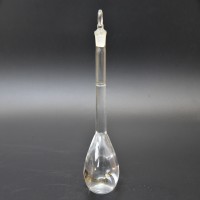
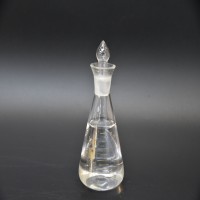
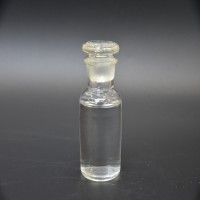
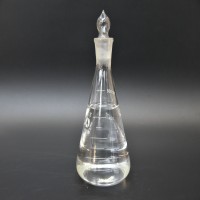
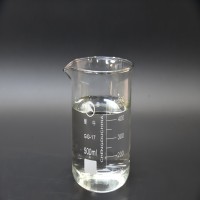
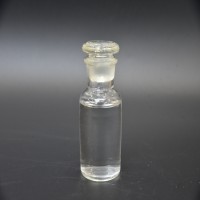
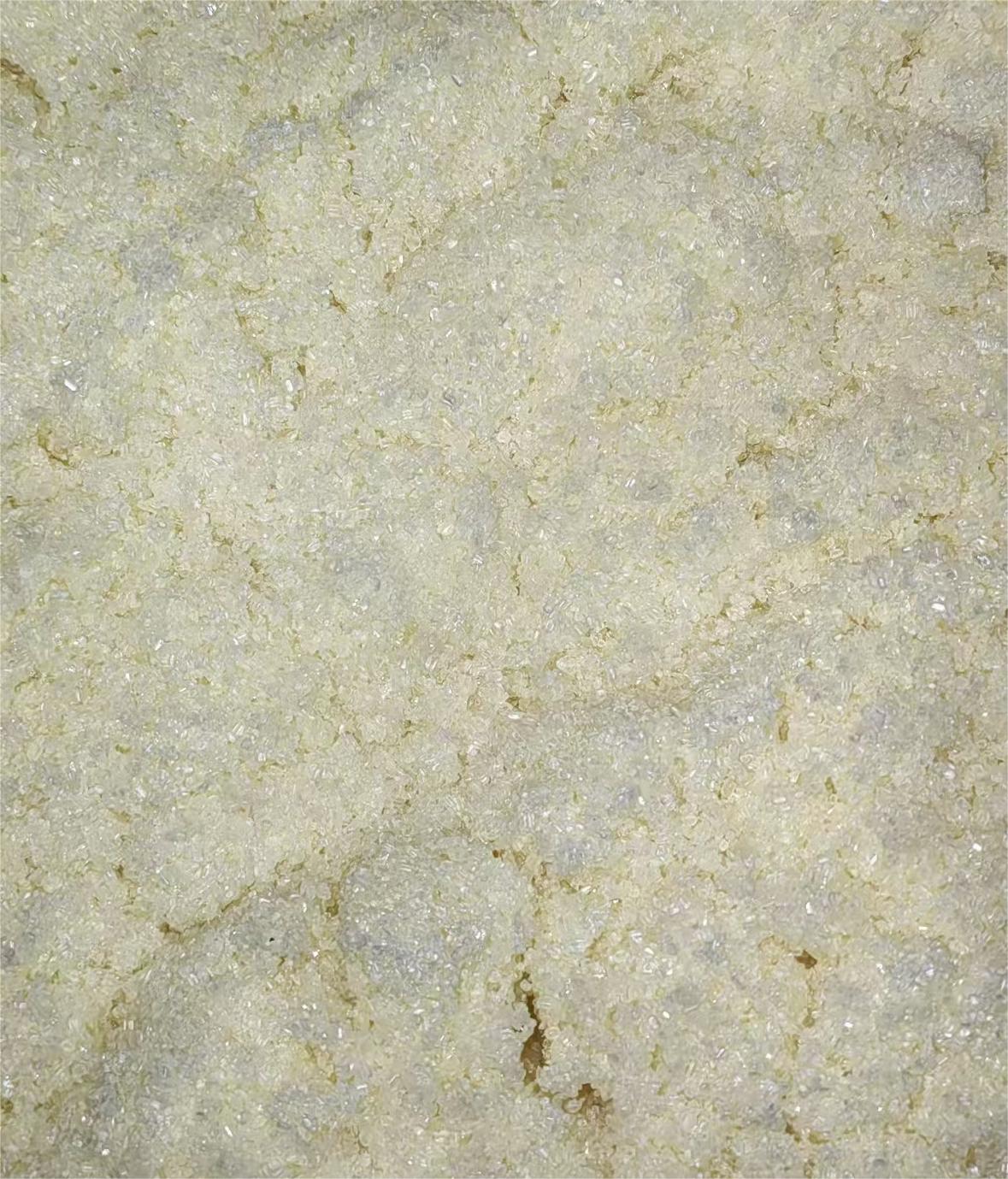
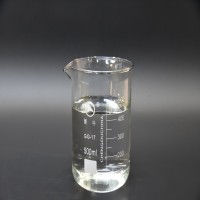
Colorless transparent liquid
Chinese alias: 2-methyl-2-butanol
CAS number :75-85-4
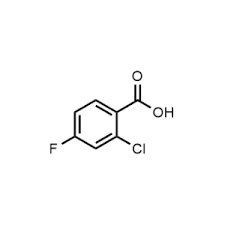
Molecular formula :C5H12O
Molecular weight :88.15
Storage method:
Ventilation, drying, fireproof, explosion-proof, sealed storage.
Application field:
It is mainly used as raw material of new pesticide powder, artificial advanced flavor musk, seed protection agent triazolol and color film color agent. It can also be used for frequency one, triazolone and so on.
*The following content is generated by AI and is for reference only.
Tertiary amyl alcohol, chemically known as tert-amyl alcohol or 2-methyl-2-butanol, is a versatile organic compound widely utilized across various industrial sectors. With the molecular formula C5H12O and a CAS registry number of 75-85-4, this colorless liquid possesses a characteristic camphor-like odor and serves as a crucial intermediate in chemical synthesis. Structurally, it features a tertiary hydroxyl group attached to a carbon atom bonded to three other carbon atoms, which significantly influences its reactivity and physical properties compared to its primary and secondary isomers.
The primary applications of tertiary amyl alcohol are extensive. It is frequently employed as a solvent in the manufacturing of paints, varnishes, and lacquers due to its excellent solvency power for resins and oils. In the pharmaceutical industry, it acts as an intermediate for synthesizing various drugs, including certain antihistamines and sedatives. Furthermore, it plays a vital role in the production of rubber chemicals and plasticizers, enhancing the durability and flexibility of polymer products. The compound is also used as a denaturant for ethanol, preventing its consumption as a beverage while maintaining its utility in industrial processes. Additionally, it serves as a starting material for the synthesis of esters, which are essential components in the fragrance and flavoring industries, providing specific aromatic profiles to consumer goods.
Safety considerations are paramount when handling this substance. While not highly toxic, it can cause irritation to the eyes and skin upon direct contact. Inhalation of vapors may lead to respiratory discomfort, necessitating proper ventilation and personal protective equipment during storage and usage. Its flammability requires careful management in storage facilities to prevent fire hazards. Overall, tertiary amyl alcohol remains an indispensable chemical building block, bridging the gap between raw petrochemical feedstocks and high-value finished products in modern manufacturing. Its unique structural characteristics ensure continued demand in diverse applications ranging from fine chemistry to large-scale industrial processing.





 (All Rights Reserved)