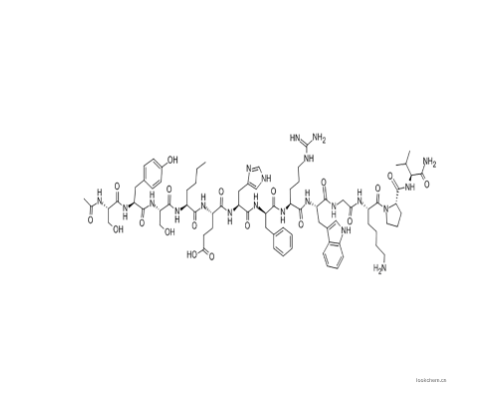
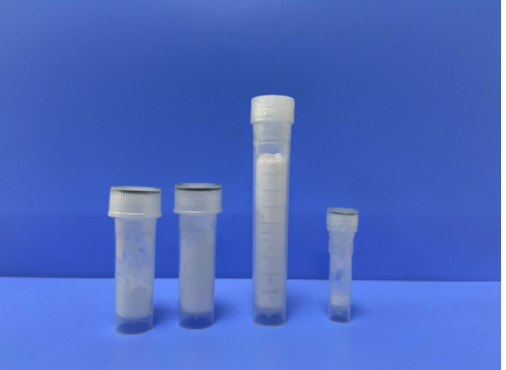
Product Description
Hangzhou Go Top Peptide Biotech Co., Ltd. is a national high-tech enterprise specializing in the research and development and production of peptides and related derivatives. It provides peptide-related custom synthesis and technology for domestic and foreign medical research and development, biotechnology, universities and scientific research institutions service. For consultation or ordering, please contact:86-571-88211951, 86-13588827304 (Cindy Mei), sales4@gotopbio.com
AI Product Description
*The following content is generated by AI and is for reference only.
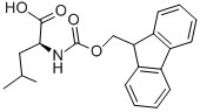
Fmoc-Leu-OH, chemically known as (9H-fluoren-9-yl)methyl N-[(2S)-1-amino-4-methylpentan-2-yl]carbamate, is a vital protected amino acid derivative widely utilized in modern peptide synthesis. Its molecular formula is C20H23NO4, and it carries the CAS registry number 71985-62-3. This compound serves as a crucial building block for the solid-phase peptide synthesis (SPPS) strategy, specifically employing the Fmoc/t-Bu protection scheme. The Fmoc group, derived from fluorenylmethyloxycarbonyl, acts as an orthogonal protecting group for the alpha-amino functionality of leucine, ensuring stability under acidic conditions while being easily removable under mild basic conditions, typically using piperidine or other secondary amines.
Leucine itself is a non-polar, aliphatic, essential amino acid frequently found in protein structures, contributing significantly to hydrophobic interactions and structural stability. By incorporating the Fmoc moiety, chemists can selectively protect the amine during the stepwise assembly of complex peptide sequences without affecting side chains or carboxyl groups that might require different protection strategies. This selectivity minimizes side reactions and simplifies purification processes, making Fmoc-Leu-OH indispensable for synthesizing therapeutic peptides, vaccine candidates, and bioactive molecules.
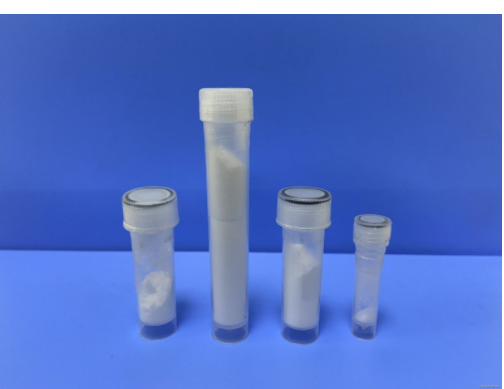
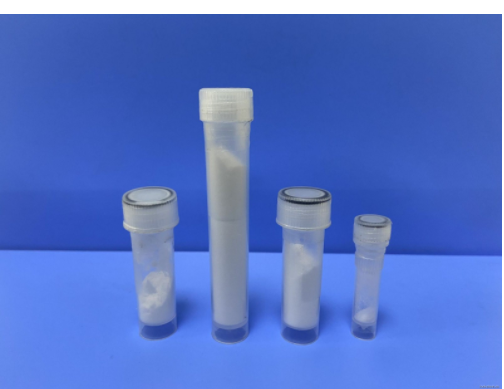
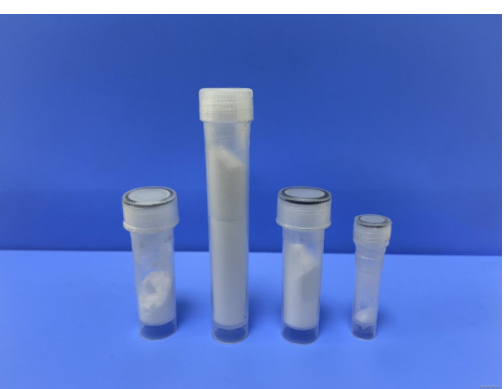
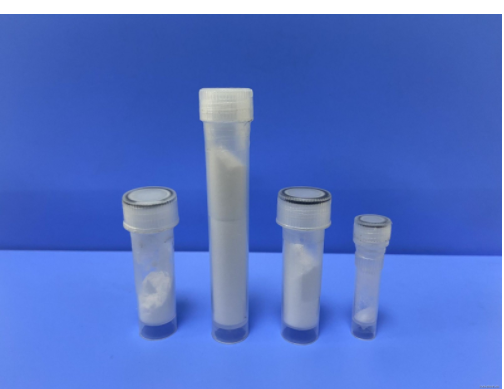
The product is generally supplied as a white to off-white crystalline powder with high purity levels, often exceeding 98%, suitable for both academic research and industrial pharmaceutical manufacturing. It is soluble in common organic solvents such as dichloromethane, dimethyl sulfoxide, and dimethylformamide, facilitating its integration into various synthesis protocols. Researchers rely on this reagent to construct peptides ranging from short dipeptides to large polypeptides with precise sequence control. Furthermore, its compatibility with automated peptide synthesizers has streamlined production workflows, reducing time and cost associated with manual synthesis. As the demand for novel peptide-based drugs grows, Fmoc-Leu-OH remains a cornerstone material in medicinal chemistry laboratories worldwide, enabling the development of next-generation therapeutics with enhanced efficacy and specificity.





 (All Rights Reserved)