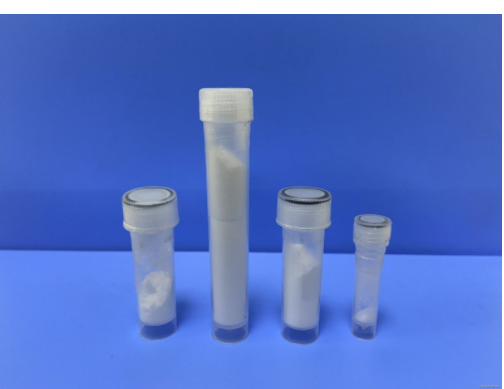
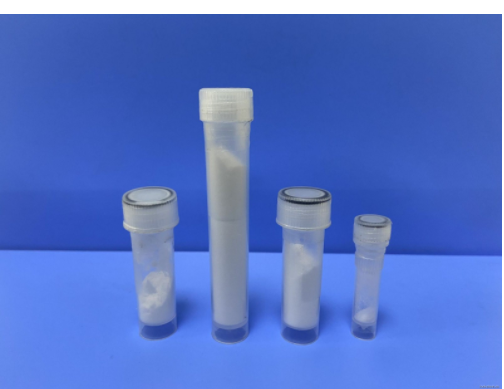
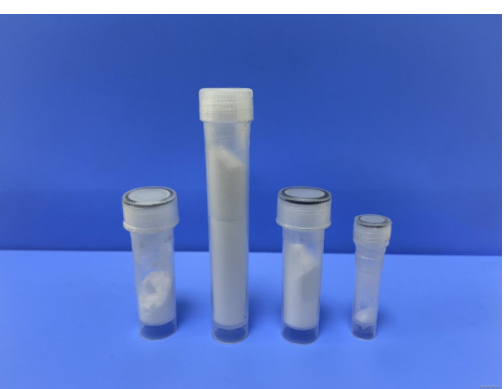
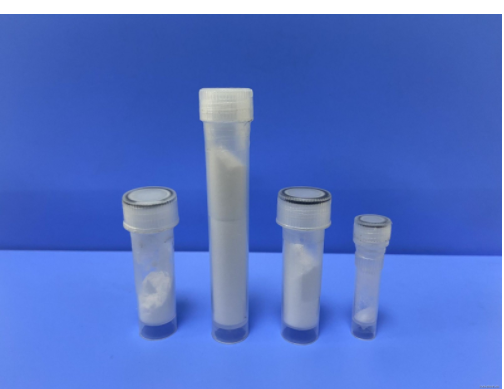
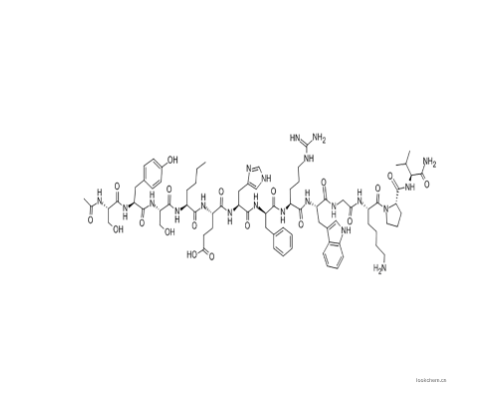
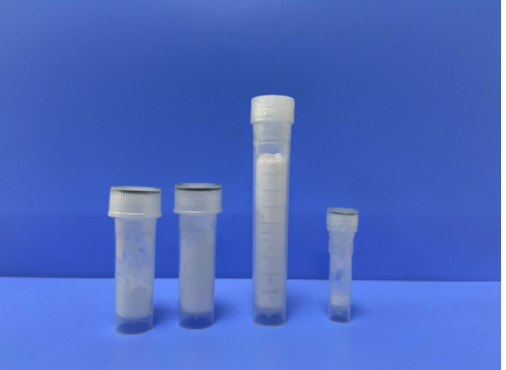
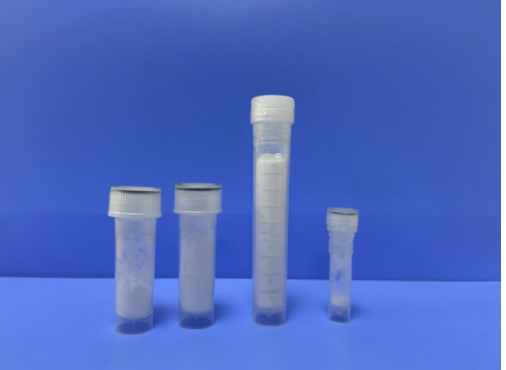
Product Description
Hangzhou Go Top Peptide Biotech Co., Ltd. is a national high-tech enterprise specializing in the research and development and production of peptides and related derivatives. It provides peptide-related custom synthesis and technology for domestic and foreign medical research and development, biotechnology, universities and scientific research institutions service. For consultation or ordering, please contact:86-571-88211951, 86-13588827304 (Cindy Mei), sales6@gotopbio.com
AI Product Description
*The following content is generated by AI and is for reference only.
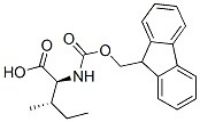
Fmoc-Ile-OH, chemically known as F-tert-butyl-L-isoleucine or more accurately (9H-fluoren-9-yl)methyl L-isoleucinate, is a critical protected amino acid derivative widely utilized in modern peptide synthesis. Its molecular formula is C20H21NO3, and it carries the CAS Registry Number 84568-73-4. This compound serves as an essential building block for the solid-phase peptide synthesis (SPPS) strategy, specifically employing the fluorenylmethyloxycarbonyl (Fmoc) protection scheme. The primary function of the Fmoc group is to temporarily mask the alpha-amino group of isoleucine, preventing unwanted side reactions during the iterative coupling process while remaining stable under acidic conditions used for resin cleavage.
Isoleucine itself is one of the eight essential amino acids for humans, playing a vital role in protein structure stability due to its bulky, hydrophobic, branched-chain side chain. In pharmaceutical research and biotechnology, Fmoc-Ile-OH allows chemists to incorporate this specific residue into complex peptide sequences with high precision. It is particularly valuable in the development of therapeutic peptides, vaccine candidates, and bioactive compounds where stereochemical integrity is paramount. The reagent ensures that the chiral center at the alpha-carbon remains intact throughout the synthesis, which is crucial for biological activity.
The standard protocol involves dissolving Fmoc-Ile-OH in appropriate solvents like dimethylformamide (DMF) or dichloromethane (DCM), followed by activation with coupling agents such as HBTU, HATU, or DIC/Oxyma. This activated species then reacts with the growing peptide chain on a solid support. After the desired sequence is assembled, the final product is deprotected using mild bases like piperidine, leaving the free amine ready for further elongation or cleavage from the resin. Due to its high purity requirements for biological applications, commercial suppliers typically provide this reagent with rigorous quality control, often exceeding 98% purity. Its compatibility with various automated synthesizers makes it a staple in both academic laboratories and industrial drug discovery pipelines, facilitating the efficient production of novel peptide-based therapeutics and diagnostic tools.





 (All Rights Reserved)