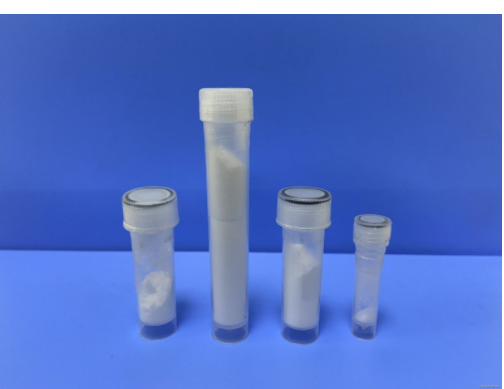
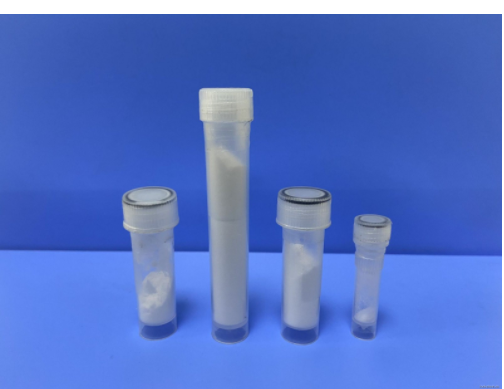
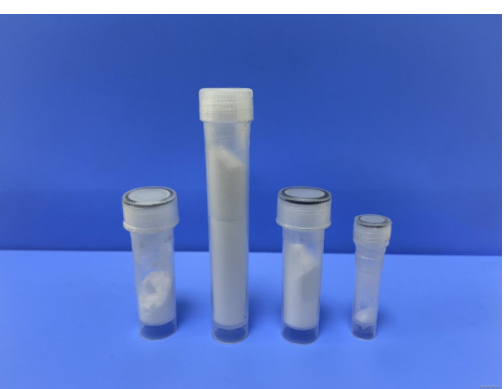
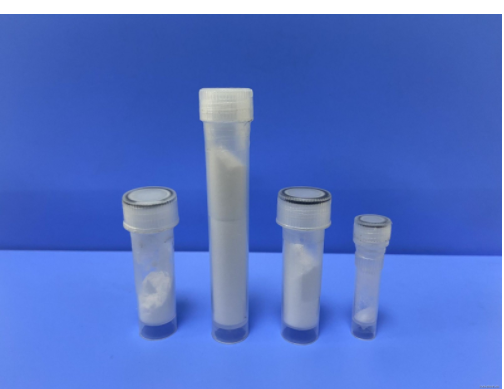
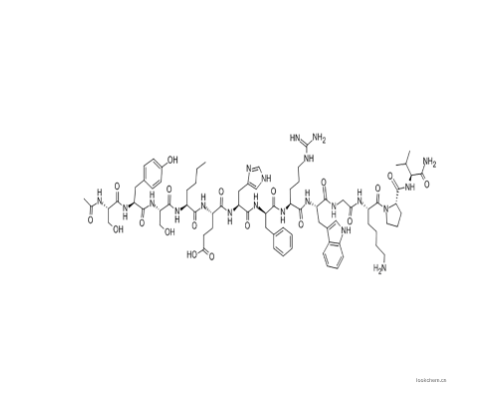
Product Description
Hangzhou Go Top Peptide Biotech Co., Ltd. is a national high-tech enterprise specializing in the research and development and production of peptides and related derivatives. It provides peptide-related custom synthesis and technology for domestic and foreign medical research and development, biotechnology, universities and scientific research institutions service. For consultation or ordering, please contact:86-571-88211951, 86-13588827304 (Cindy Mei), sales88@gotopbio.com
AI Product Description
*The following content is generated by AI and is for reference only.
Fmoc-Gly-Wang resin is a specialized solid-phase synthesis support widely utilized in peptide chemistry for the efficient construction of complex polypeptides. This reagent consists of Wang resin, a polystyrene-based matrix functionalized with a 4-hydroxymethylphenoxy linker, covalently attached to Fmoc-protected glycine (the simplest amino acid). The chemical formula for the active species on the resin is often represented as C21H23NO5 per repeating unit of the loaded monomer, though the exact molecular weight varies depending on the specific loading capacity and cross-linking density of the resin backbone. While no single CAS number applies universally to all batches due to variations in manufacturer specifications and loading levels, the core components typically correspond to CAS numbers associated with Fmoc-glycine and Wang resin derivatives.
The primary application of Fmoc-Gly-Wang resin lies in automated and manual solid-phase peptide synthesis (SPPS) protocols. It serves as an ideal starting point for synthesizing peptides where glycine occupies the N-terminal position or when the final cleavage requires mild acidic conditions to release the peptide from the resin without damaging sensitive side chains. The Fmoc (9-fluorenylmethoxycarbonyl) protecting group ensures orthogonal stability, allowing for deprotection using piperidine while maintaining the integrity of the acid-labile Wang linker until the final step. Upon completion of the peptide chain assembly, treatment with trifluoroacetic acid (TFA) cleaves the ester bond between the linker and the peptide, yielding the free C-terminal carboxylic acid. This product is indispensable in pharmaceutical research, drug discovery, and academic laboratories for producing therapeutic peptides, vaccine antigens, and protein fragments. Its high purity and consistent loading capacity ensure reproducible results, making it a standard tool for researchers aiming to synthesize bioactive molecules with precise structural control. The versatility of this resin supports a broad range of synthetic strategies, facilitating the rapid generation of diverse peptide libraries for biological screening and validation.






 (All Rights Reserved)